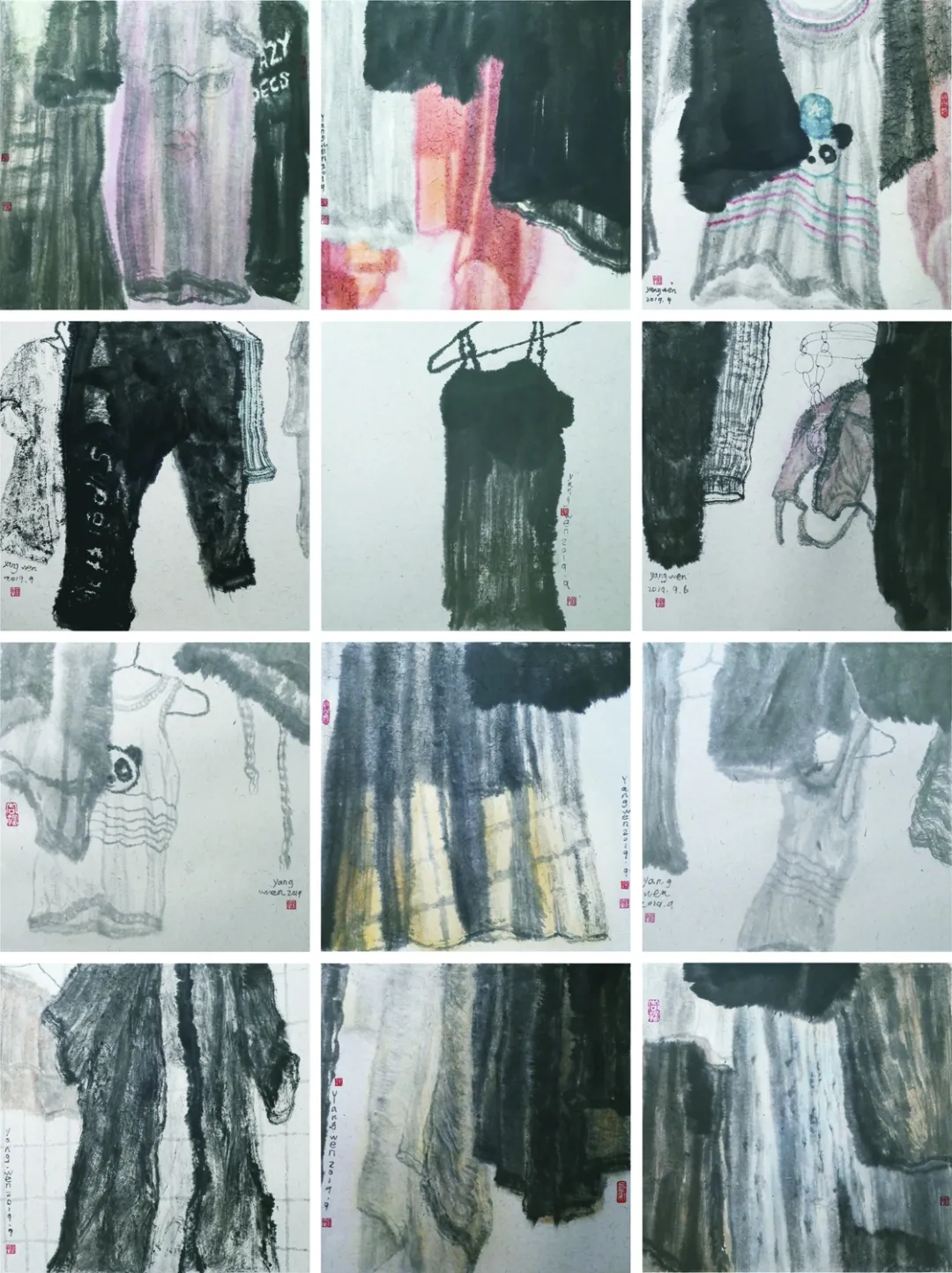
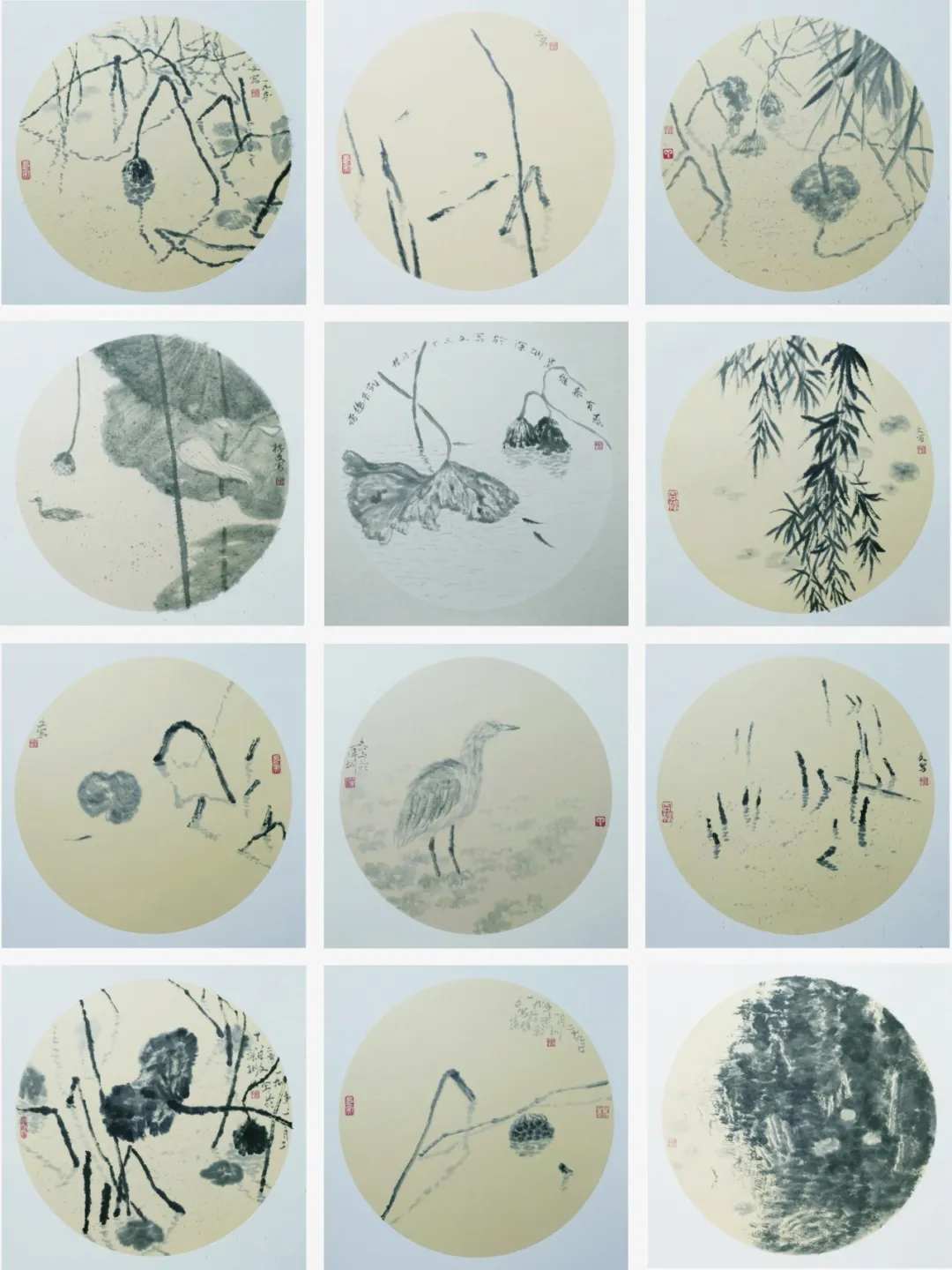
Shitao said, 'Brush and ink should follow the times.' While inheriting tradition, we must also keep pace with the times, selecting the classic elements of the ancients without being rigid or self-enclosed. In terms of artistic conception, innovation is necessary, and in terms of expressive language, breakthroughs are needed. In Shitao's words: 'The argument within a painting actually points out that in painting techniques, one should use any means possible, meaning to employ all available methods.' This statement profoundly addresses the essence of art. He opposed blindly following the old; artists must create a painting method of their own starting from themselves, possessing their own personality and artistic style, even if it is not yet fully mature.
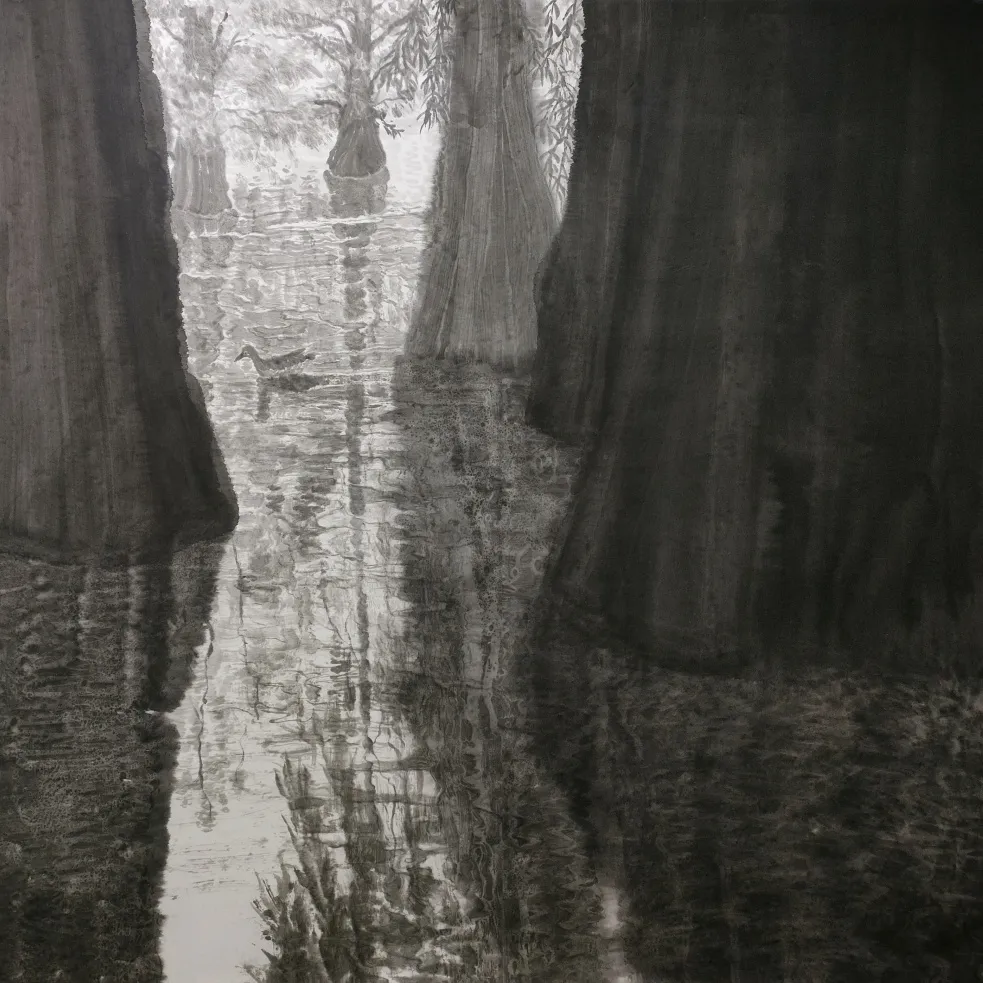
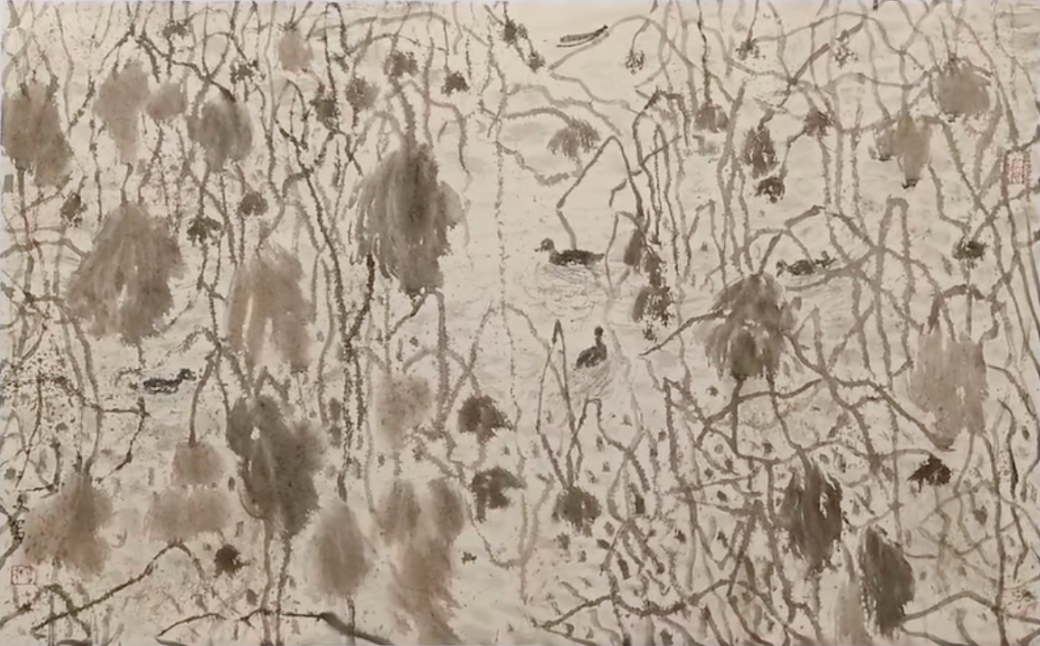
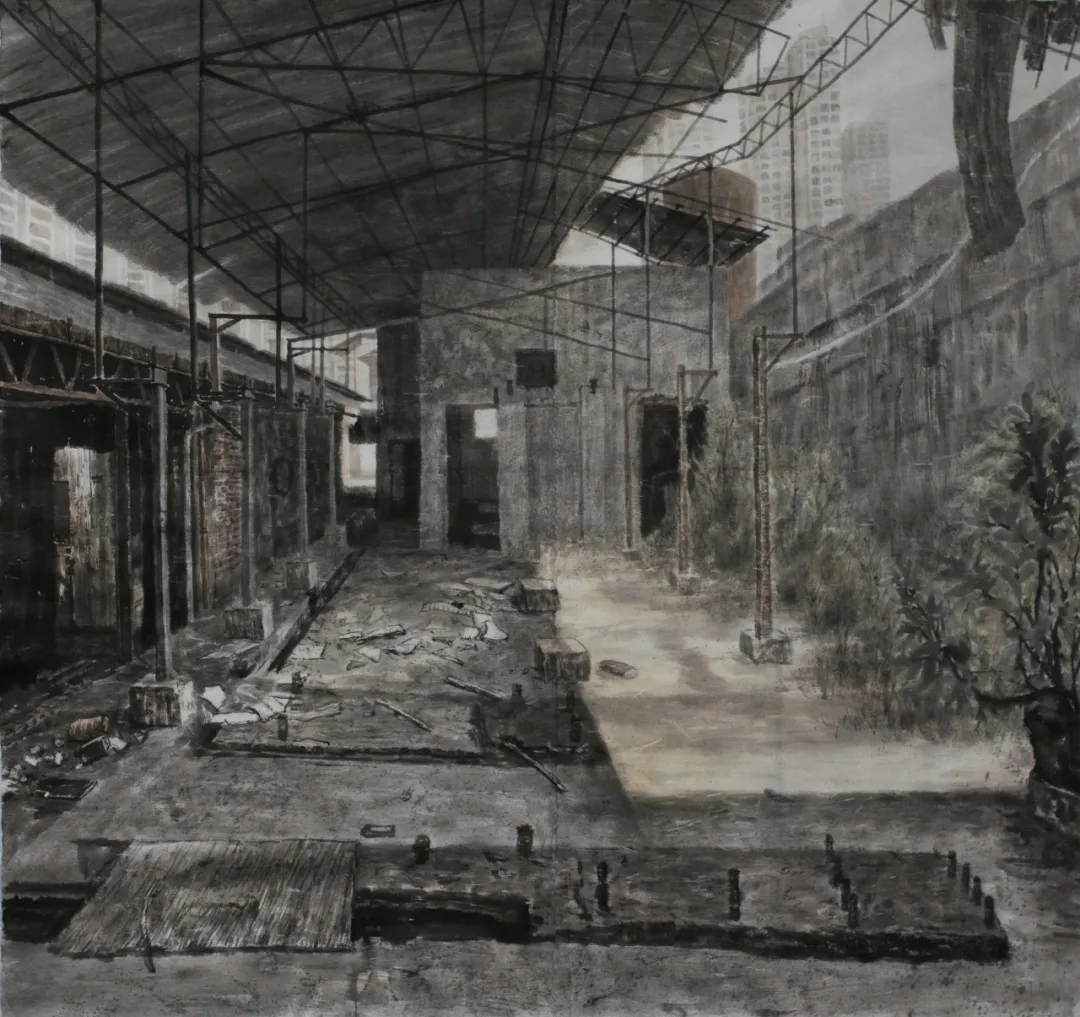
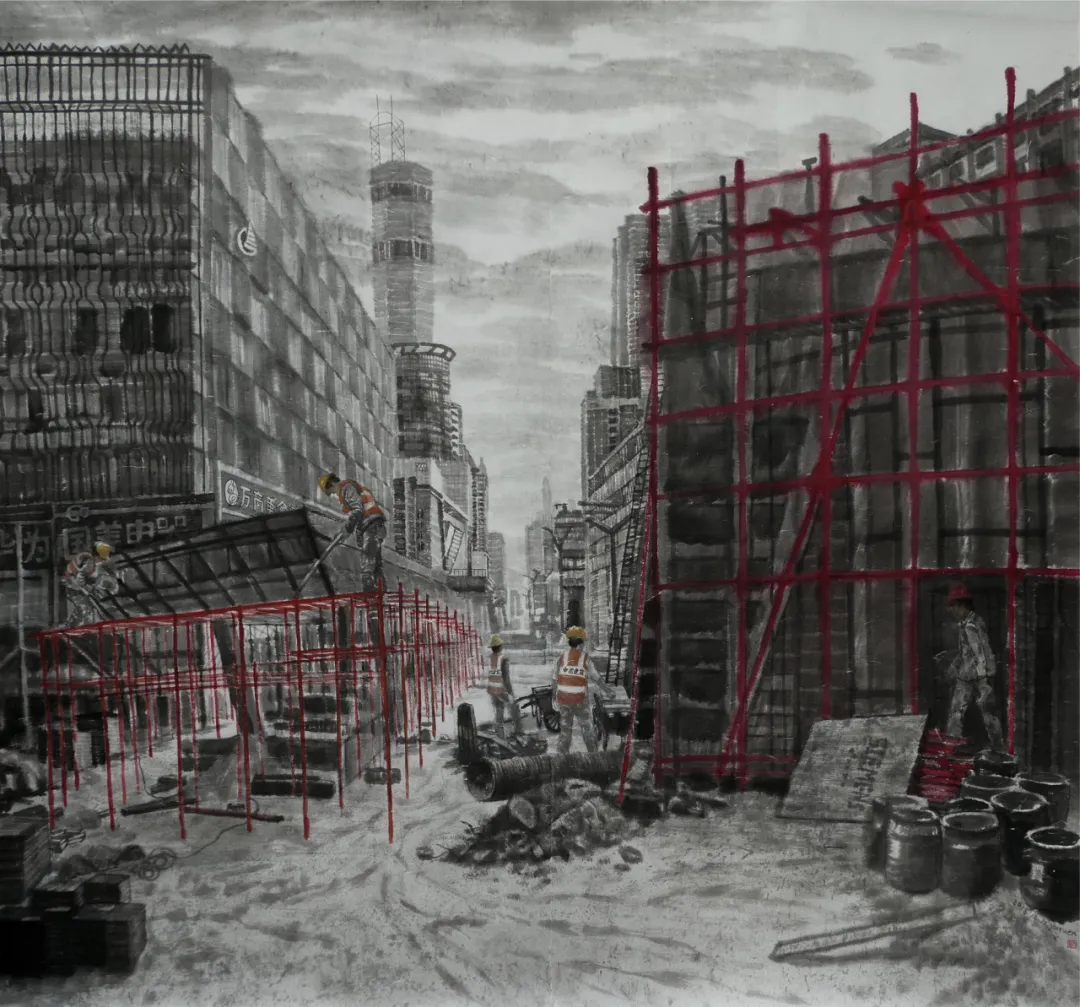
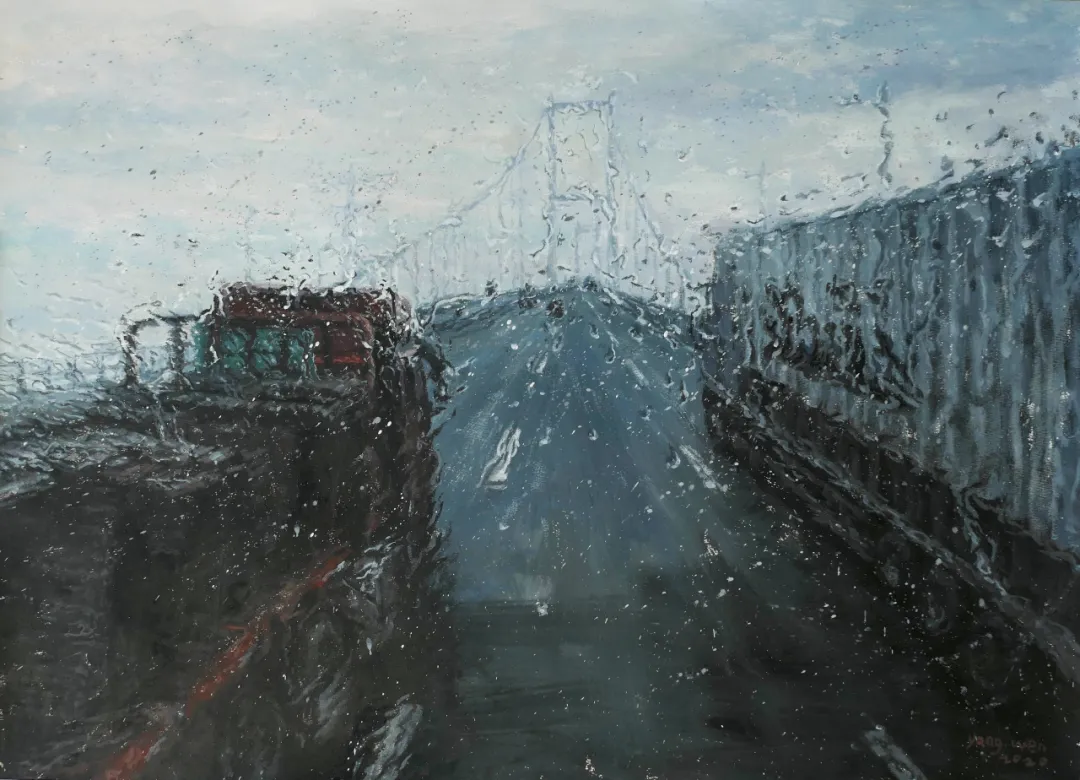
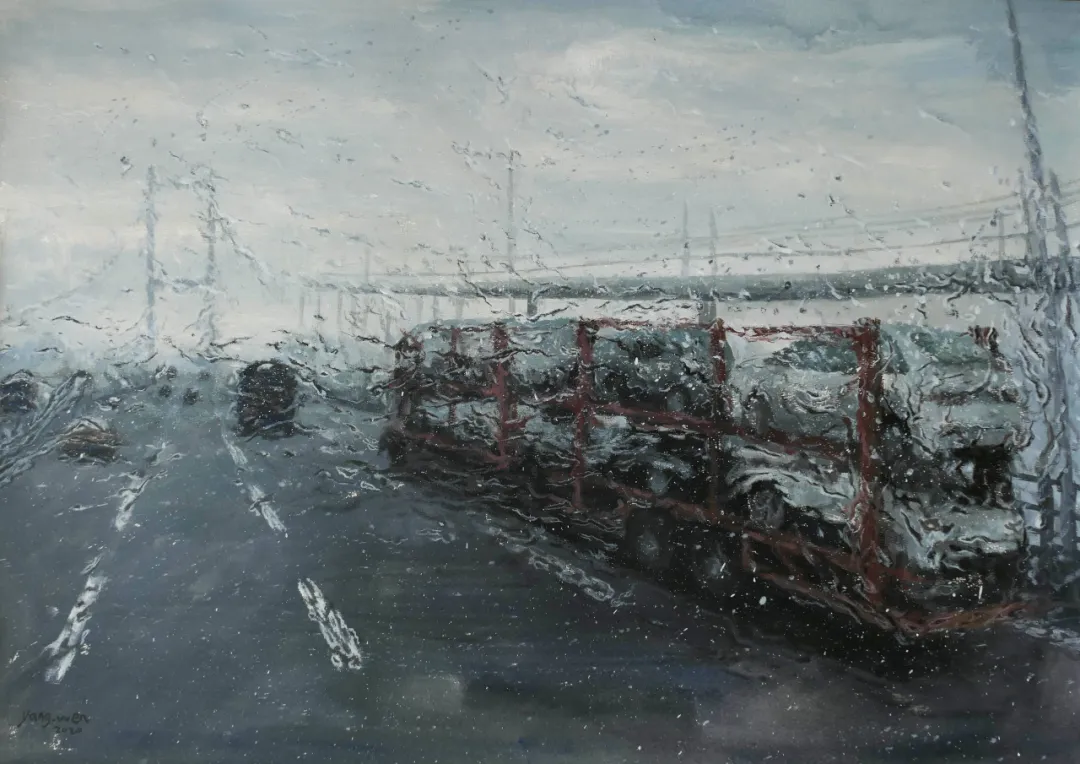
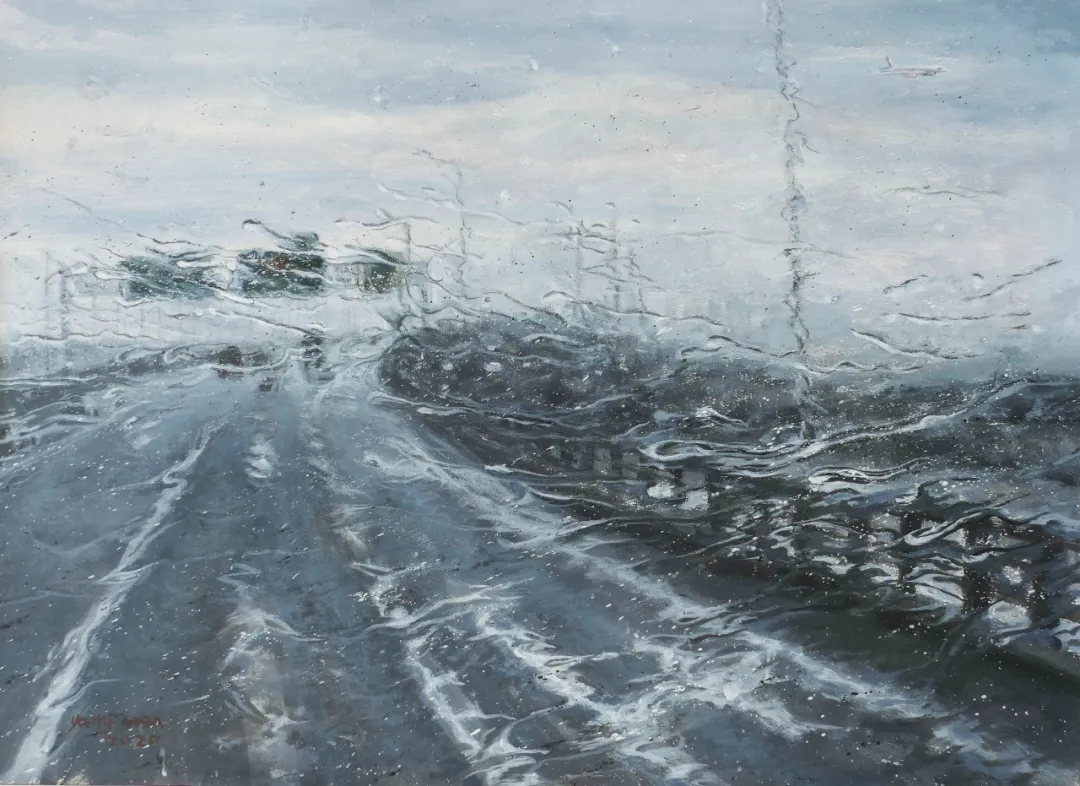
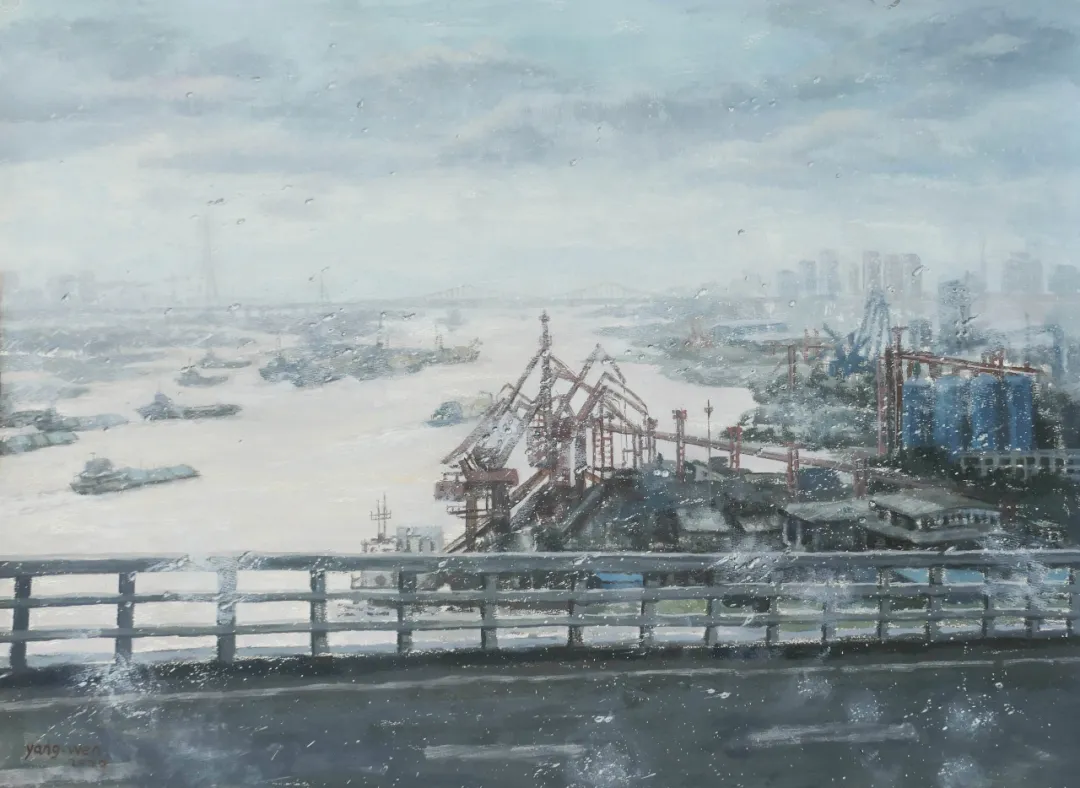
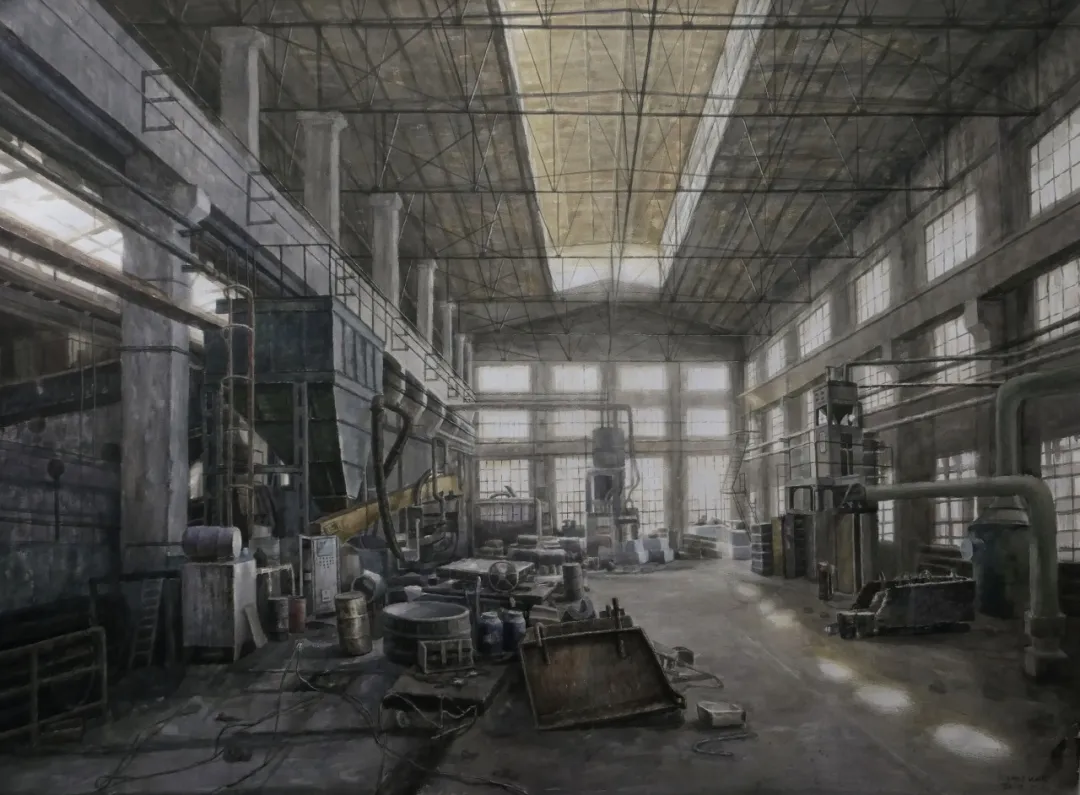
Through years of study and practice, I have developed some of my own ideas about painting and my own artistic language. Living in modern cities and experiencing the development of the times and social progress firsthand, it is inevitable that our surroundings evoke emotions. The beauty of forms in architecture created by points, lines, and planes, the power in industry and technology—we express them through painting, particularly in various styles of ink painting, using our brushes to witness and record different scenes of the times. I believe this is our responsibility and mission. How should new subjects be expressed? Especially in the context of ink painting, how should they be conveyed? It is worth contemplating. Modern urban buildings constructed with steel and concrete, heavy machinery from developing industries—expressing these materials through ink painting, in my view, can draw on and integrate certain methods and elements from Western painting, such as perspective, sketching, color, and composition. As the renowned traditional Chinese painter Guo Quanzhong once said: 'The reality and accuracy of light and shadow, texture, and volume in sketching cannot convey the independent value of the brush and ink. But simply using traditional brush and ink techniques cannot give the work a distinct sense of modernity either. Sketching teaches us essential modeling skills and a holistic awareness, that is, the ability to perceive and grasp the relationships between objects.' We can borrow elements from Western art and flexibly apply them in ink painting, allowing it to present a richer and more contemporary visual experience. Some traditional-minded painters view the use of Western concepts and visual language in Chinese painting with confusion or even ridicule. In their view, Chinese painting must follow the masters of the past, its composition and layout must follow traditional patterns, and the techniques and tools must use brushes; employing board brushes, knives, airbrushes, or mixed materials is considered reckless or chaotic! I believe that a new era calls for new ideas, new forms of expression, and new painting materials. Xu Beihong's view of 'learning from Chinese tradition while using Western methods' is very apt, and modern masters like Fu Baoshi, Lin Fengmian, and Li Keran were all profoundly influenced by this approach.
In the first chapter of 'Shitao's Painting Notes,' it is stated: 'The ancient had no methods; the primal simplicity did not disperse. Once the primal simplicity disperses, the method is established. Where does the method stand? It stands in a single stroke. A single stroke is the origin of all forms, the root of all phenomena; its manifestation is seen by the spirit, its concealment lies with humans, and ordinary people do not understand it. Thus, the method of a single stroke is self-established.' The method and a single stroke essentially mean that the painter must start from themselves and use a painting style that expresses their unique feelings. Therefore, in our artistic creation, when we want to express our thoughts and emotions, we can use any means—paint however we wish, use any language or tools—as long as we can ultimately convey our own feelings and ideas.
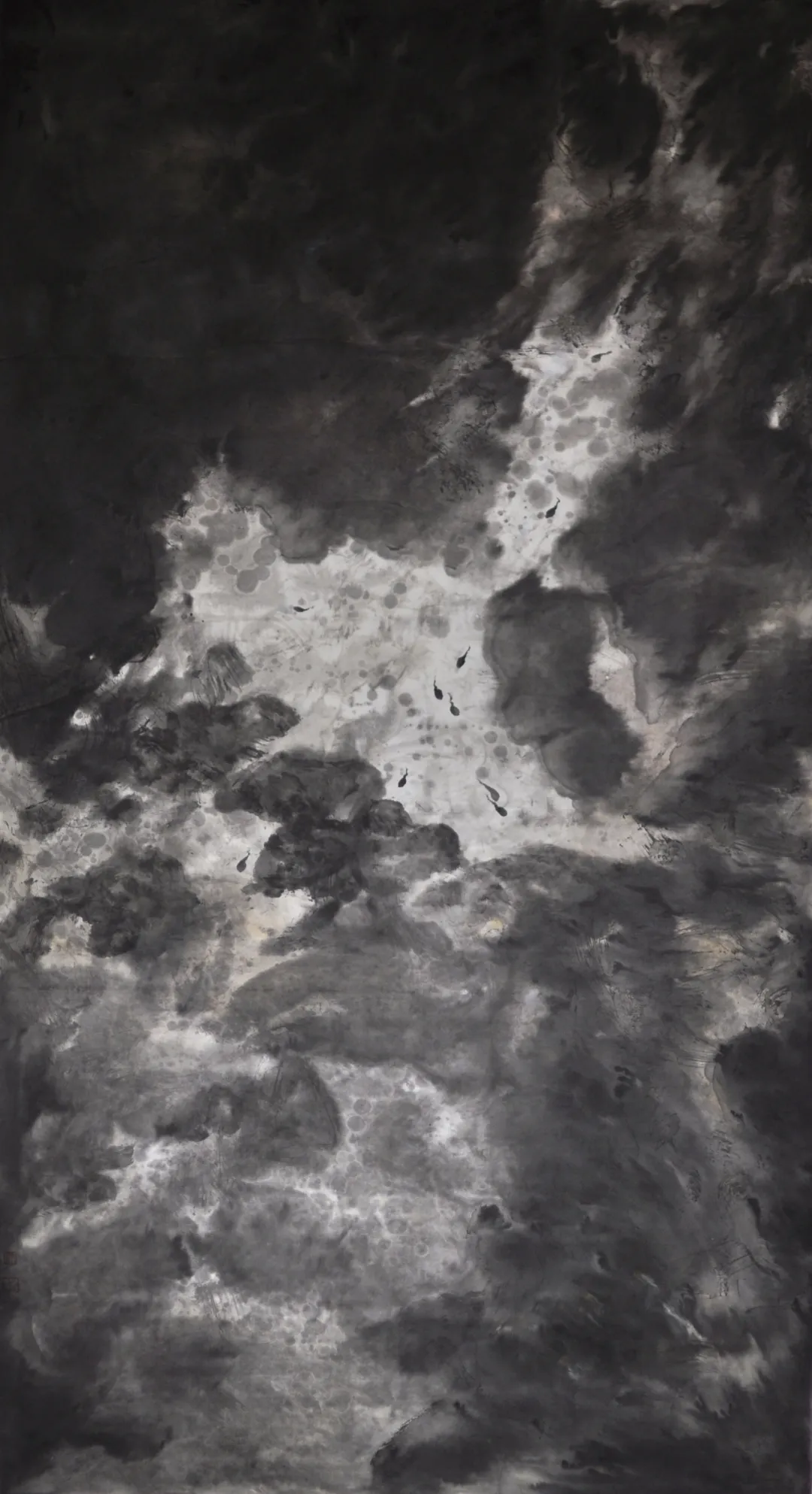
Often, before creating, we do not think in advance about how we will express ourselves, or which methods and tools we will use. However, when we see reference photos or immerse ourselves in a certain atmosphere, we unexpectedly feel a surge of excitement, being inexplicably moved—a torrent rushes straight to our hearts, as if we were filled with adrenaline! This atmosphere could be the grandeur of mountains and rivers, the magnificence of nature, or even a dilapidated old factory. When you are immersed in it, you long to pour all your inner emotions onto the canvas immediately! At that moment, all sorts of images spontaneously appear in your mind without thought, then travel from your hands directly onto your paper. During creation, such experiences are common. When inspiration strikes, a painting over two meters tall can sometimes be completed in a single day, fully conveying the contents and emotions you wish to express. In the following days, you carefully refine and touch it up.
On the other hand, sometimes ideas that have been brewing in your mind for a long time before starting to paint require repeated contemplation, and yet, after painting for a while, you may set it aside, return to it, set it aside again, and maybe even wait six months before wanting to work on it again. You must keep adjusting your thoughts until you find the way to express yourself most satisfactorily. Producing a good work of art is not easy! It is even very difficult!
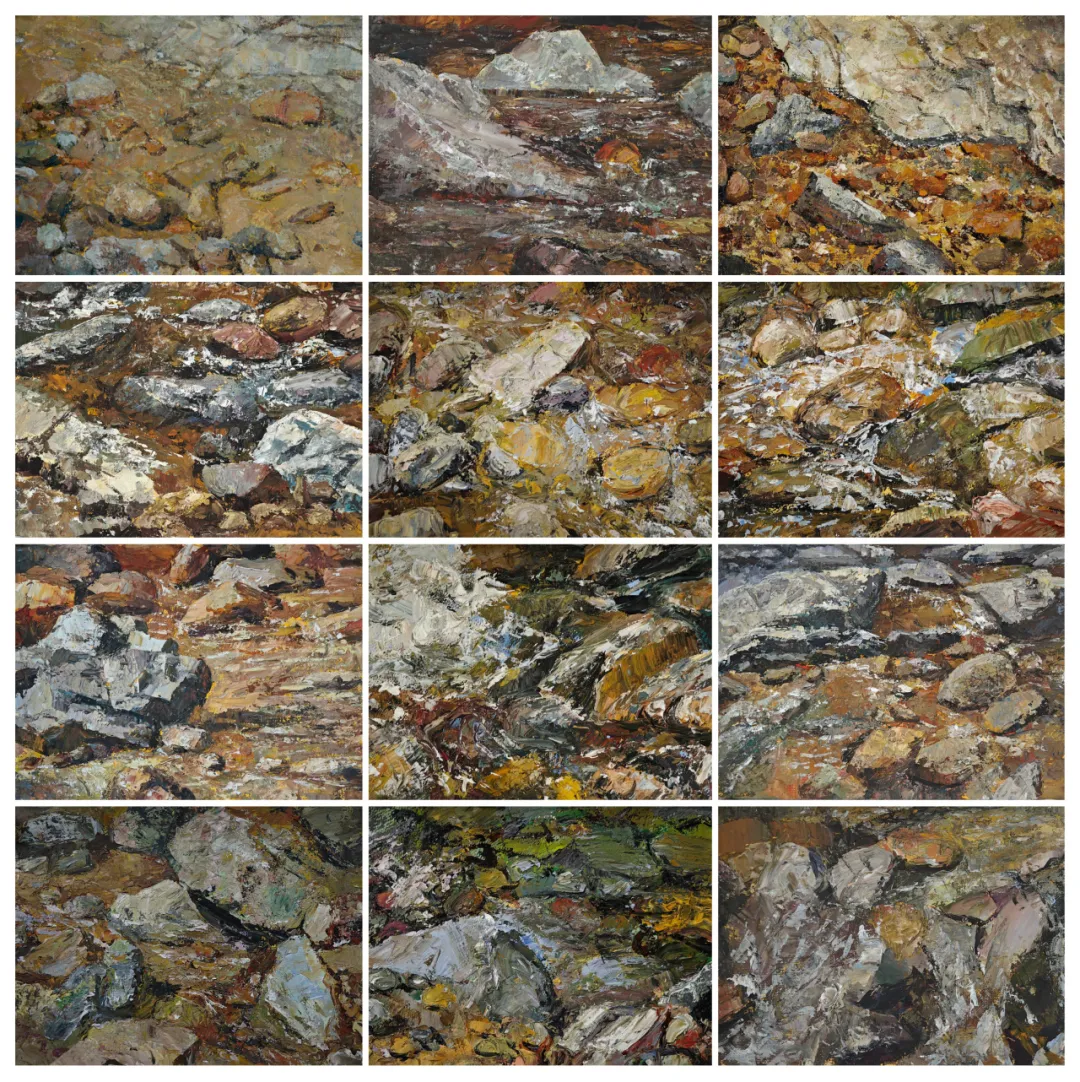
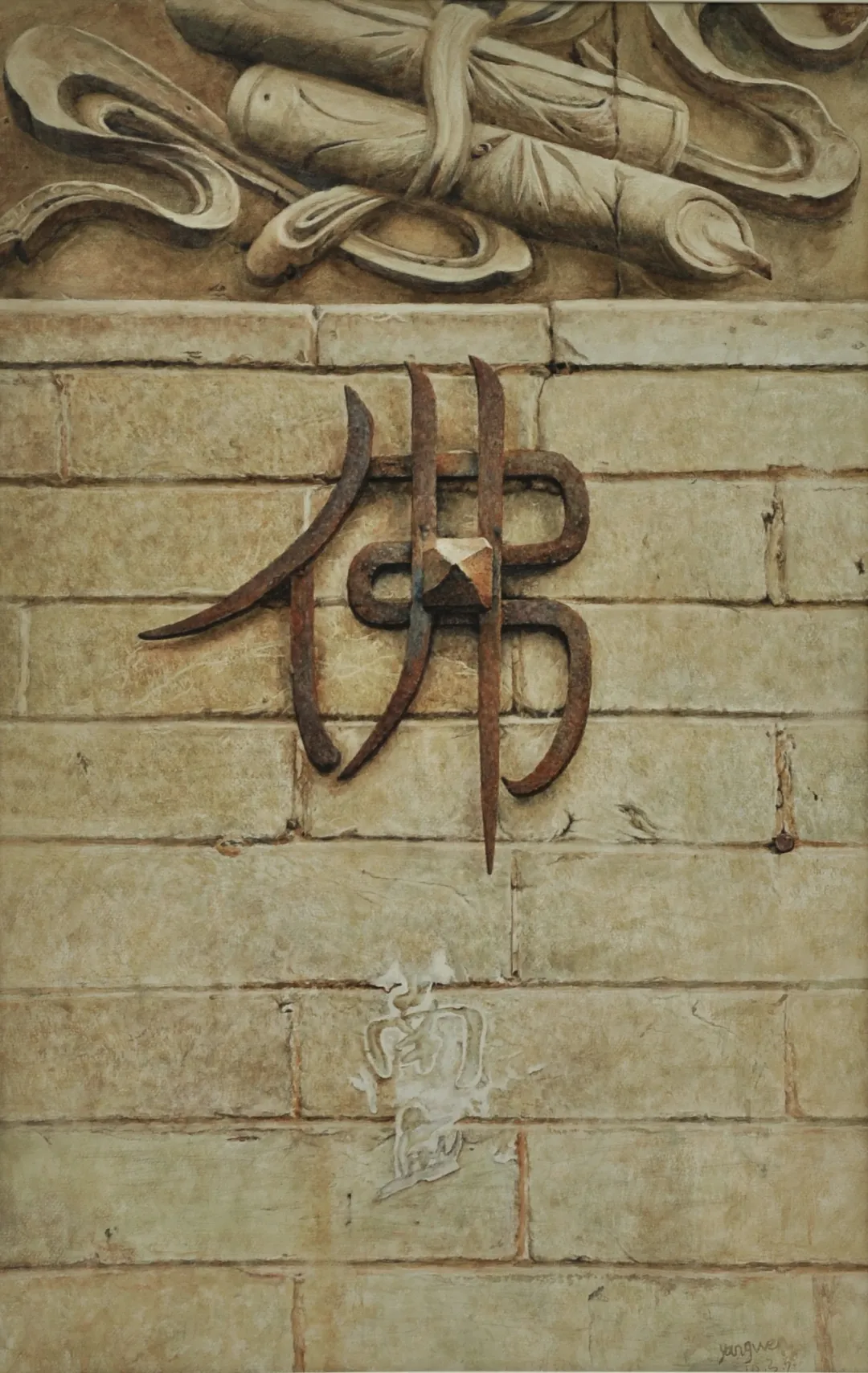
During the long years of painting, there were also many times when I didn't feel like painting. During such times, I might read a book—books are carriers of knowledge and treasure troves of experience. They can enlighten you, enrich you, and help you avoid detours. Or I might listen to music. Music is abstract and an art of hearing, yet oddly, it can inspire concrete artistic ideas and encompass everything. Or I might go for a walk; stepping out of the studio is very important. Breathing in the fresh air of nature, emptying your mind, taking in the beauty of the natural world, and doing a lot of sketching. After becoming proficient, you should consciously interpret the “life” back in a subjective way. Some things are not in the painting but outside it. Perhaps at a certain time, in a certain place, something will strike a chord, and artistic inspiration arrives. Sometimes even a worn, discolored wall can provide insight and inspiration for painting. Some of my studies were created this way. Giving yourself enough space for imagination and expression can inspire your art, even if it has no specific form. Too much concreteness can be counterproductive. As Qi Baishi said, 'The value of painting lies between resemblance and non-resemblance,' which resonates deeply with me. Socrates said, 'The only thing I know is that I know nothing.' The more you know, the more you realize your ignorance. Painting is similar; the more you paint, the more cautious you become with each stroke, fully aware of how much you need to convey in an artwork. Looking at numerous famous paintings from ancient and modern times, studying the classics, you realize your own shortcomings and how much there is still to learn.