
Similarity and Difference - A Research Exhibition on the Art of Painting by Five Artists __ Zhao Peizhi
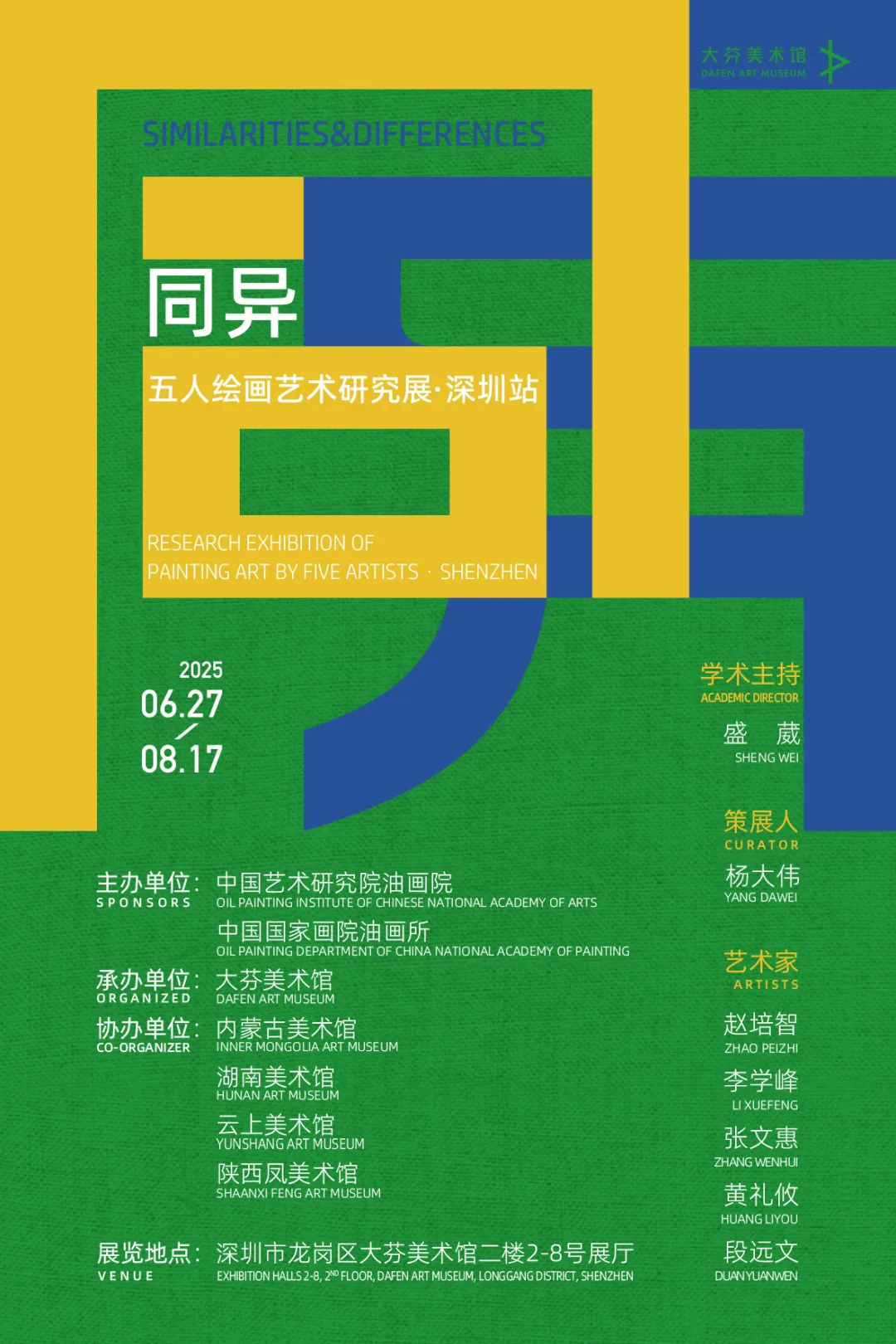
Similarity and Difference: Research Exhibition of Five Personalities in Painting Art
01
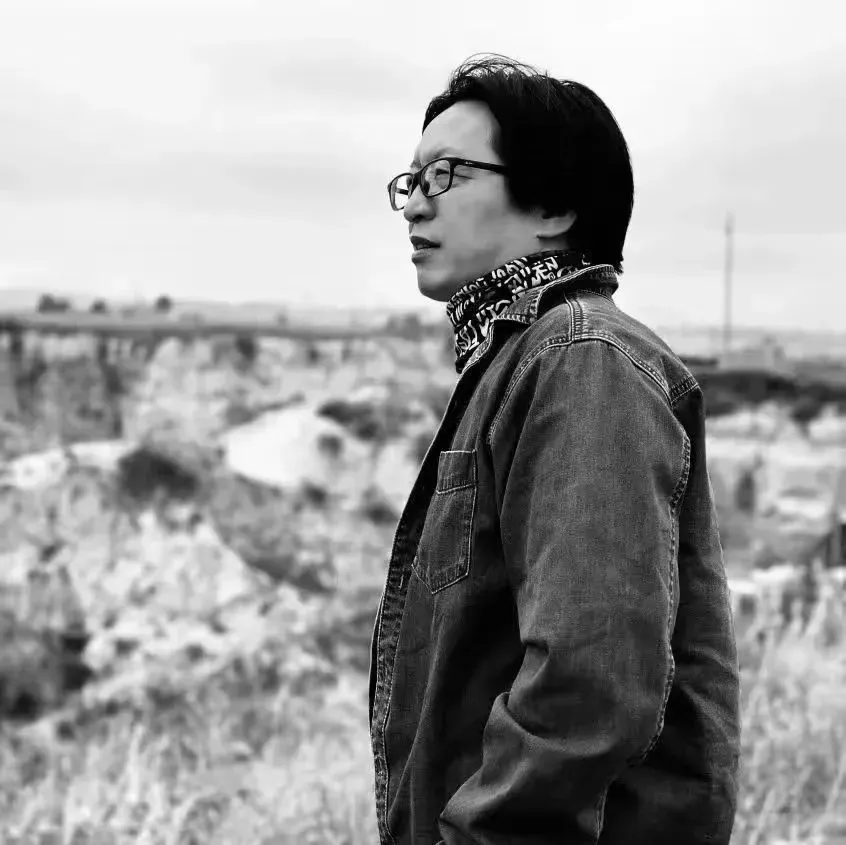
Zhao Peizhi
Zhao Peizhi
Born in 1971 in Xinjiang, originally from Jiangsu.
Graduated from Xinjiang Normal University in 1995.
Studied at the National School of Fine Arts in Paris in 2004.
Currently the director of the Oil Painting Department at the China National Academy of Painting and a first-level artist.
He is a council member of the China Artists Association and a member of the Oil Painting Art Committee.
Vice Chairman of the Beijing Artists Association
Director of the Chinese Oil Painting Society and member of the Academic Committee
Vice President of the Beijing Contemporary Chinese Impressionist Oil Painting Research Institute
Directly reach the reality of mental imagery.
Yang Dawei
Peizhi's painting constantly experiences the internal tension of segmented spaces in the artwork, maintaining a tendency towards simplicity and flatness, while discarding convoluted narrative elements, intending to perceive the extension of people and things. Although the chosen themes encompass various images of daily life, individuals, and landscapes, viewers can often see their artistic expression as tangible symbols of time. At the same time, Peizhi's works also showcase a potential consciousness of painting breaking through the present, grounded in reflections on society, culture, and life, exploring more of the potentiality of visual imagery, revealing the metaphors behind the artistic text, representing and reproducing the diverse representations of contemporary visual culture, discovering historical authenticity and objective observation; all of these bring deconstruction and reconstruction through his depictions.
Peizhi has always focused on contemporary character creation, because the spiritual significance of painting art lies in the artist's humanistic care and social awareness, which also requires a sense of the times. Thus, Peizhi's paintings express the flavor of life in the pursuit and alienation, ideals and reality through simple emotions, and its connotation has already acquired a semantic space beyond the conventional visual representation. The characters in the images are vividly individualized, yet they may also evoke a sense of unfamiliarity. His shapes and colors possess a strong sense of temporality, constantly discarding the interference of light and shadow, as well as reality and phenomena. In this sense, his creations represent the artist's subjective recreation, although it may occasionally be accompanied by queries about spiritual confusion and a sense of home, the continuity and necessity in logic remain fully intact. The depiction of real people, objects, and nature is replaced by the creator's subjective psychological perception; their outlines are no longer the familiar symbols to us, but rather the intent of the creator returning from the physical world to the spiritual world. The originally physical people, objects, and nature in the works are refined into a certain richness and sincerity.
For Peizhi, individual concrete memory is constantly externalized through straightforward strokes, revealing that the creator freely enters the medium without relying on technical concepts. He is continually liberated from the superiority of technology, and the character images in his works become a mirror reflecting his self-examination and the spirit of the times. Certain seemingly specific character images represent his insight into the semantic aspects of the characters' era and space. It can be said that Peizhi's painting technique is very meticulous in selecting color and visual value ranges, creating the most perceivable images between the forms of people and objects, and within the spectrum. Through subjective cropping and limited color choices, he presents a special emotional portrait of people and objects, thus shaping the characters into the essence of perception. He focuses on how specific forms can trigger broader thematic significance, especially in the dimension of visual ontology that emphasizes the understanding from surface to essence and from appearance to spirit. His paintings are infused with the vibrant breath of life, expressing the life experiences of simple characters as a respect for humanity, which sufficiently indicates that the creator's original intention lies in inward spiritual reflection. Therefore, Peizhi's paintings break free from the so-called traditional constraints, avoiding the superficiality and the opportunism of fast fashion, while deeply harboring rich humanistic spirit.
Currently, the many precious qualities of traditional rural society have led to a decline in the instinctual vitality of human life. Peizhi's painting expresses a detachment from modern norms, possessing an activating power absent in modern criteria, revealing the sincerity of humanity. This expression holds dual significance in his works: first, an abstract spiritual meaning, referring to the embodiment of principles such as justice, dignity, and sincerity, which are absolute imperatives for the soul. This embodiment is something that humanity cannot be without; it is a part of human nature and foundation. Second, it also has a concrete geographical meaning; broadly, it pertains to nature, and more specifically, it relates to the cultural history associated with one's life journey. Because humanity's fate hinges on whether we can treat nature and reality with a respectful attitude and dwell on earth poetically. Peizhi's paintings precisely allow us to feel the presence of this atmosphere, which is not only a cultural spirit but also a metaphysical essence.
We know that the reality of imagery lies between resemblance and dissimilarity, requiring exaggeration or even blissful abandon, because spiritual imagery can generate truth. When we want to attain a certain truth, we need to acquire relevant spiritual imagery through concentration, and the details within spiritual imagery are precisely the necessary conditions for completing artistic expression. The revelation of these conditions lies in the objective world, while visualization emphasizes imaginative expression, which is a form of subjective spirit. Therefore, the intention and object in visualization can be depicted within one's own heart through thought and imagination. In the view of philosopher Gadamer, the truth of art is not the truth of science, but rather the truth of existence and the truth of meaning. The generation of intention and imagery in art is not the result of cognition and logical thinking, but rather the momentary manifestation of inner rationality and brilliant sensibility, illuminating the obscured history and the truth of existence, thus achieving a profound sense of truth. Peizhi uses the pure language of art to process the complex and changing reality; this depth after repetition inevitably leads him towards the expression of the essence of art, bringing him closer to a true spiritual high point. In his painting process, he emphasizes correction of nature, implying an attempt to reach truth through texture, ultimately accessing the reality of spiritual imagery.
April 22, 2024, in Hangzhou
Analysis of some works
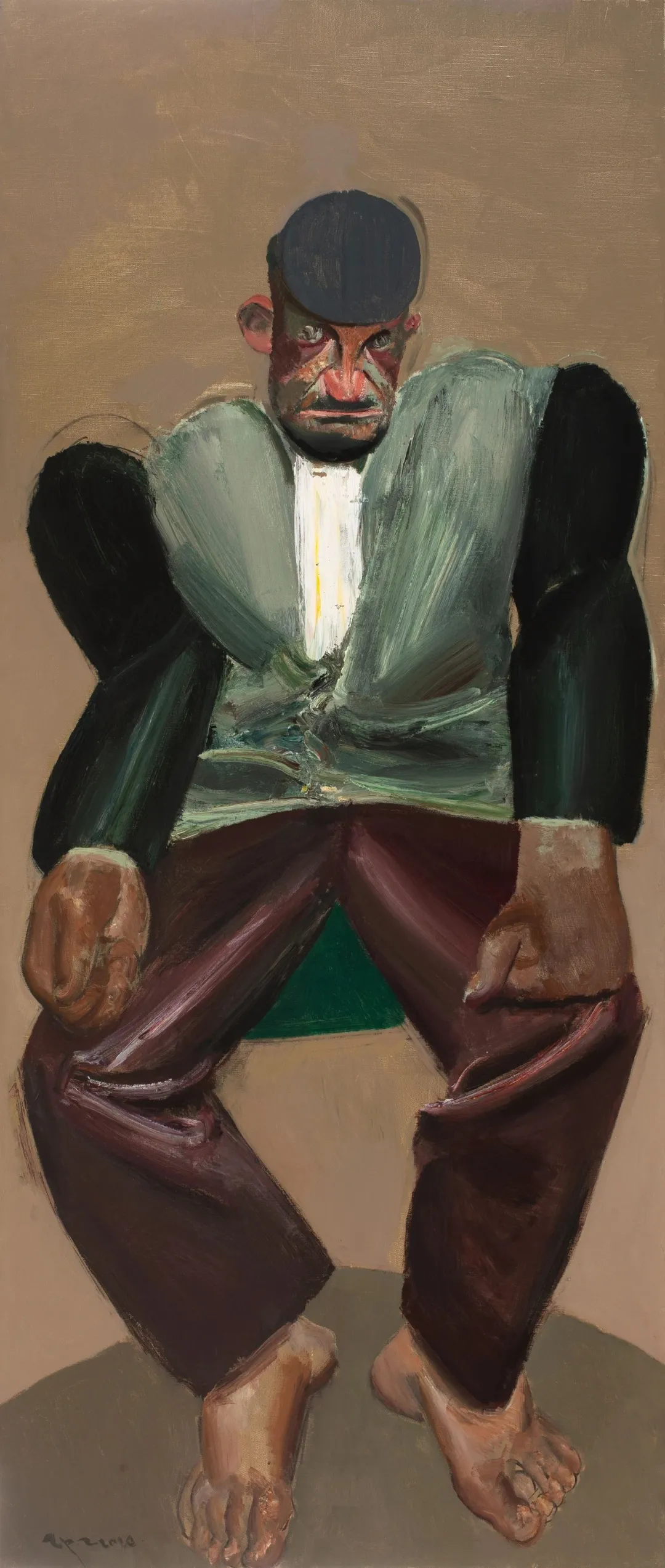
"Barefoot Man" 210cm×90cm canvas oil painting 2020
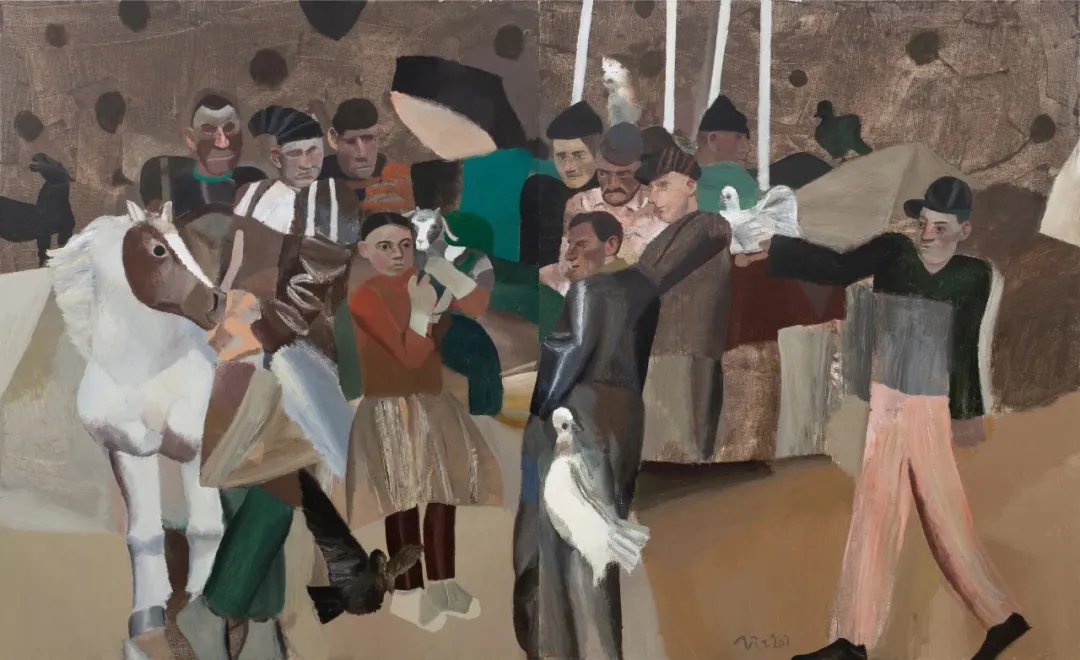
"Mountaintop Stage" 220cm×360cm Oil on canvas 2023
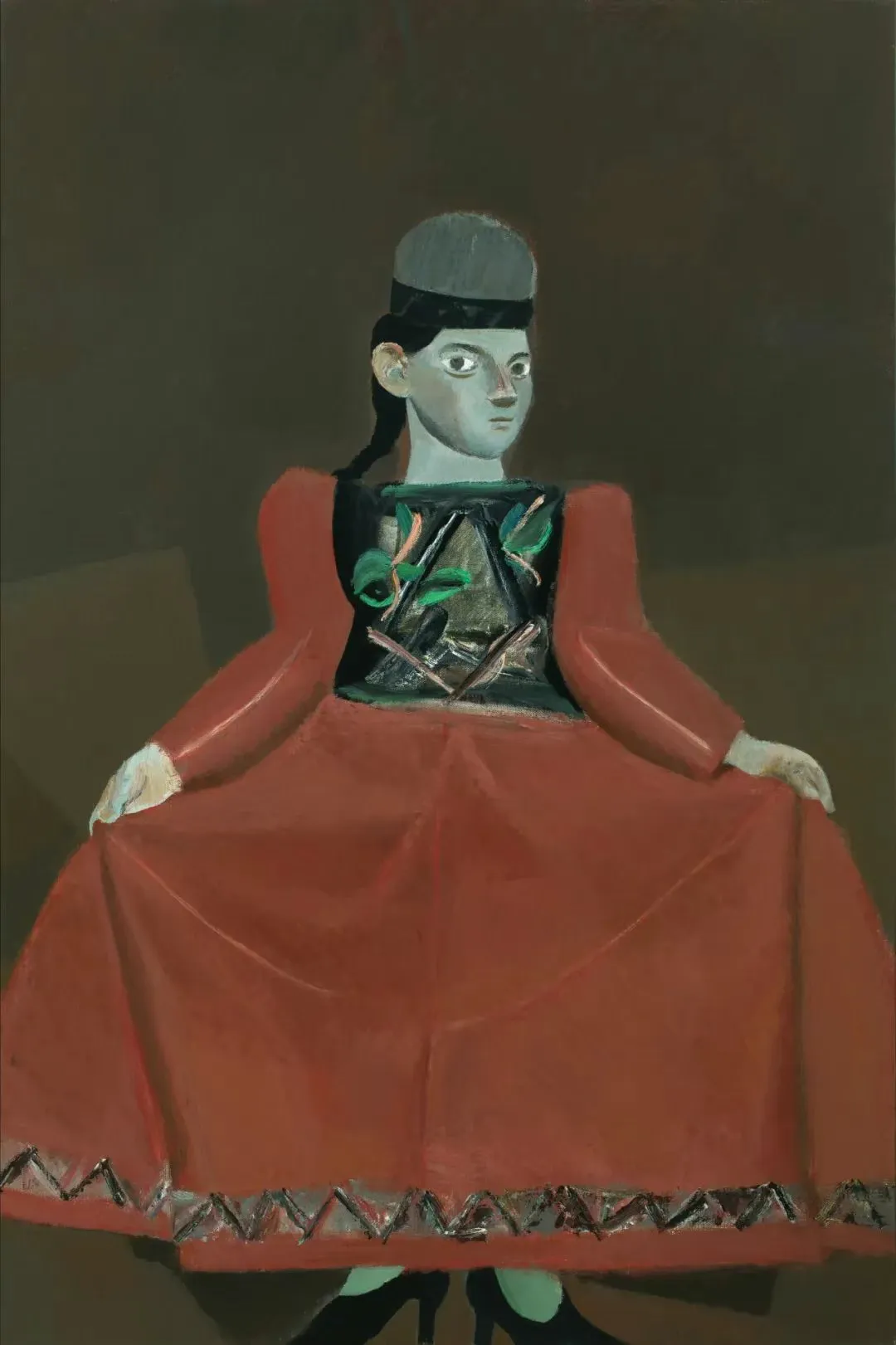
"Actor" 150cm×100cm oil on canvas 2021
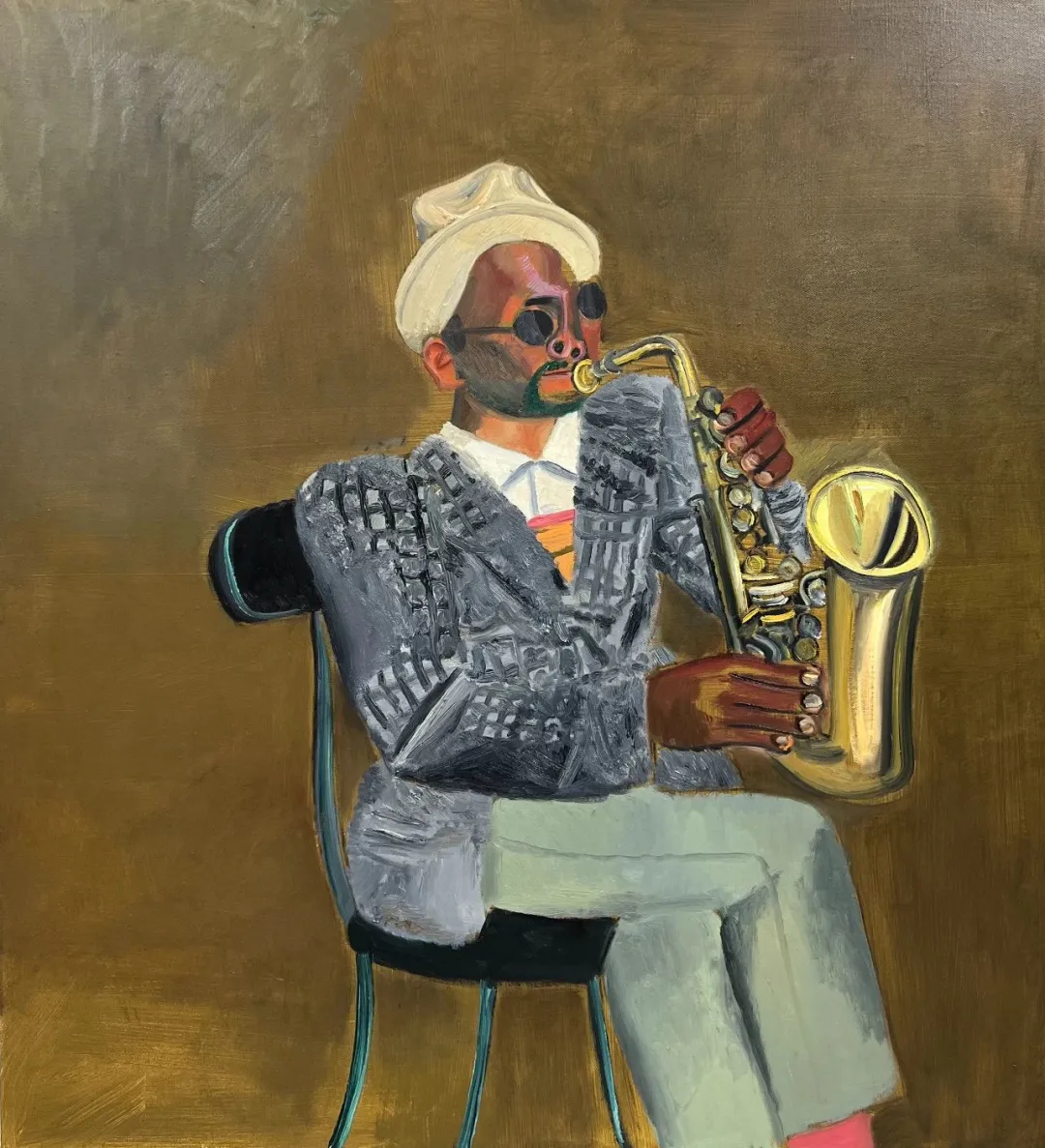
"Black Musician" 110cm×100cm Oil on canvas 2024
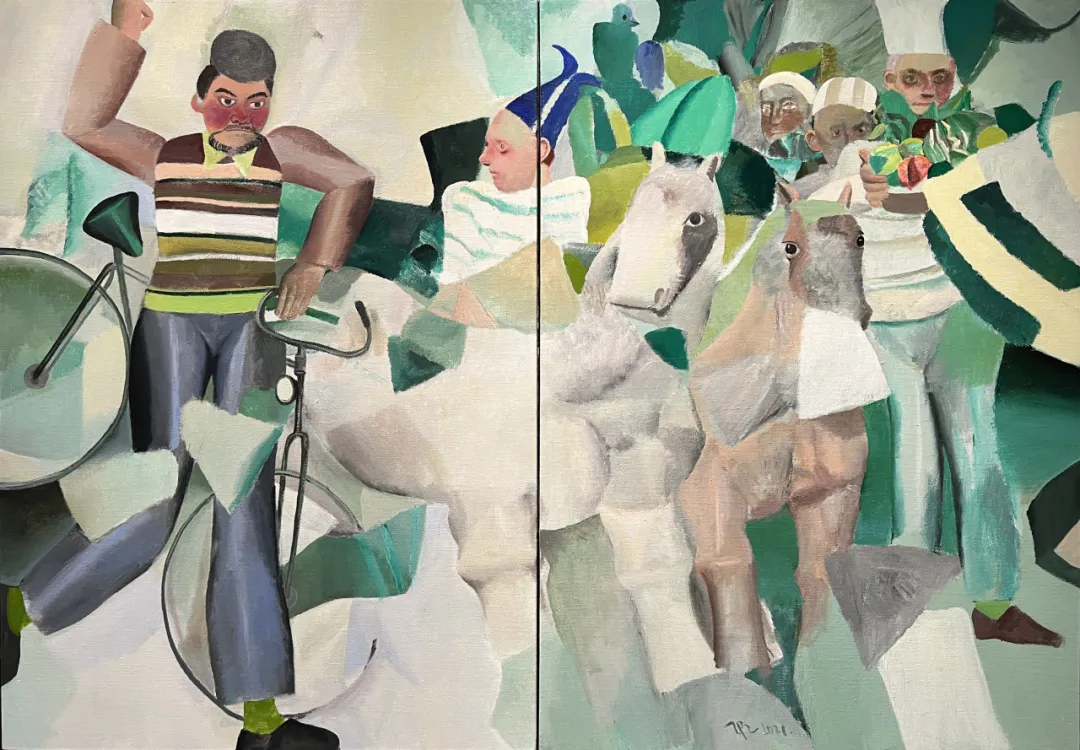
"The Joy of Horses" 200cm×300cm Oil on canvas 2022
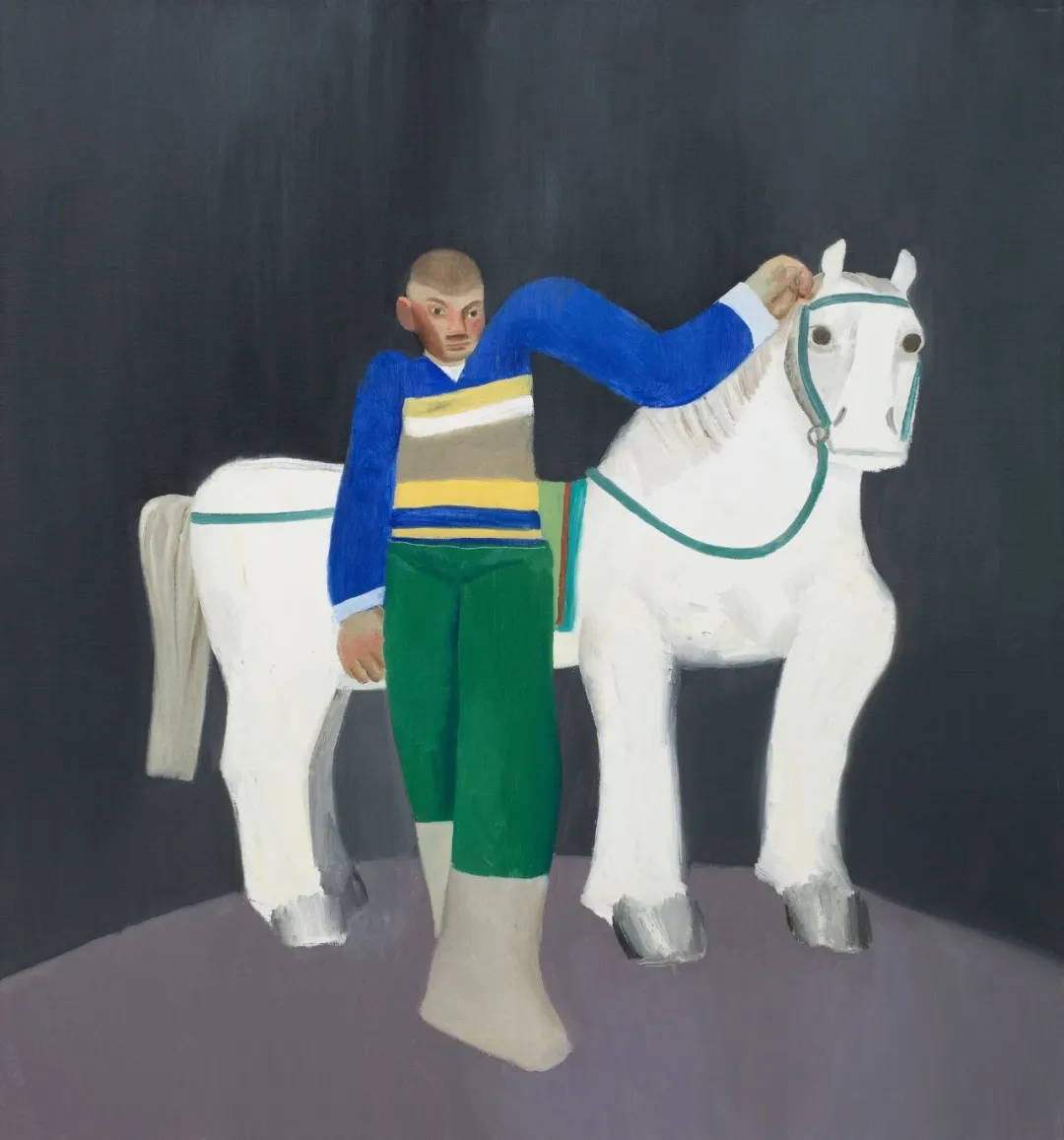
"One of the Tamed Wild Horses" 160cm×150cm Oil on canvas 2023
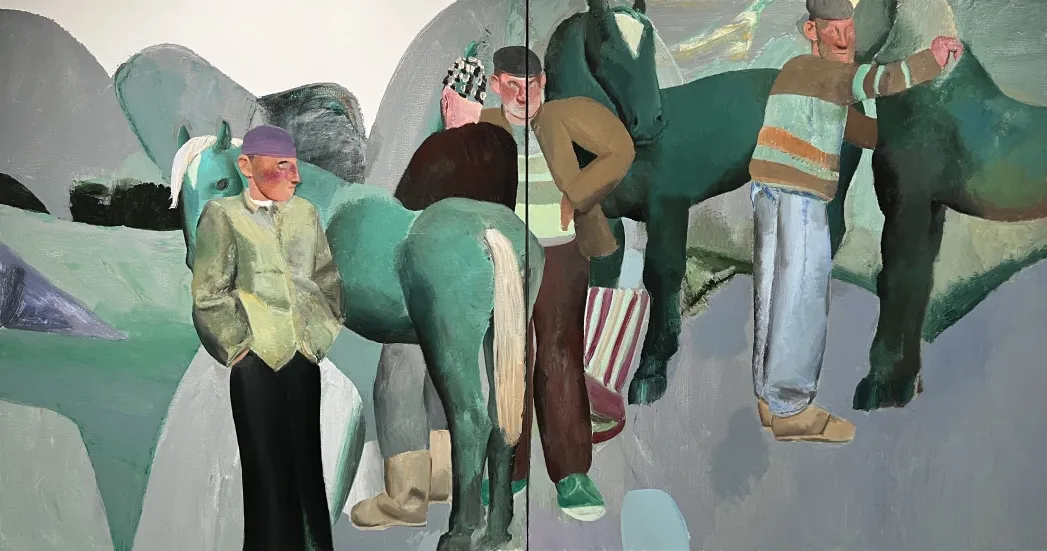
"Second in the Horse Racing Series" 160cm×300cm Oil on canvas 2020
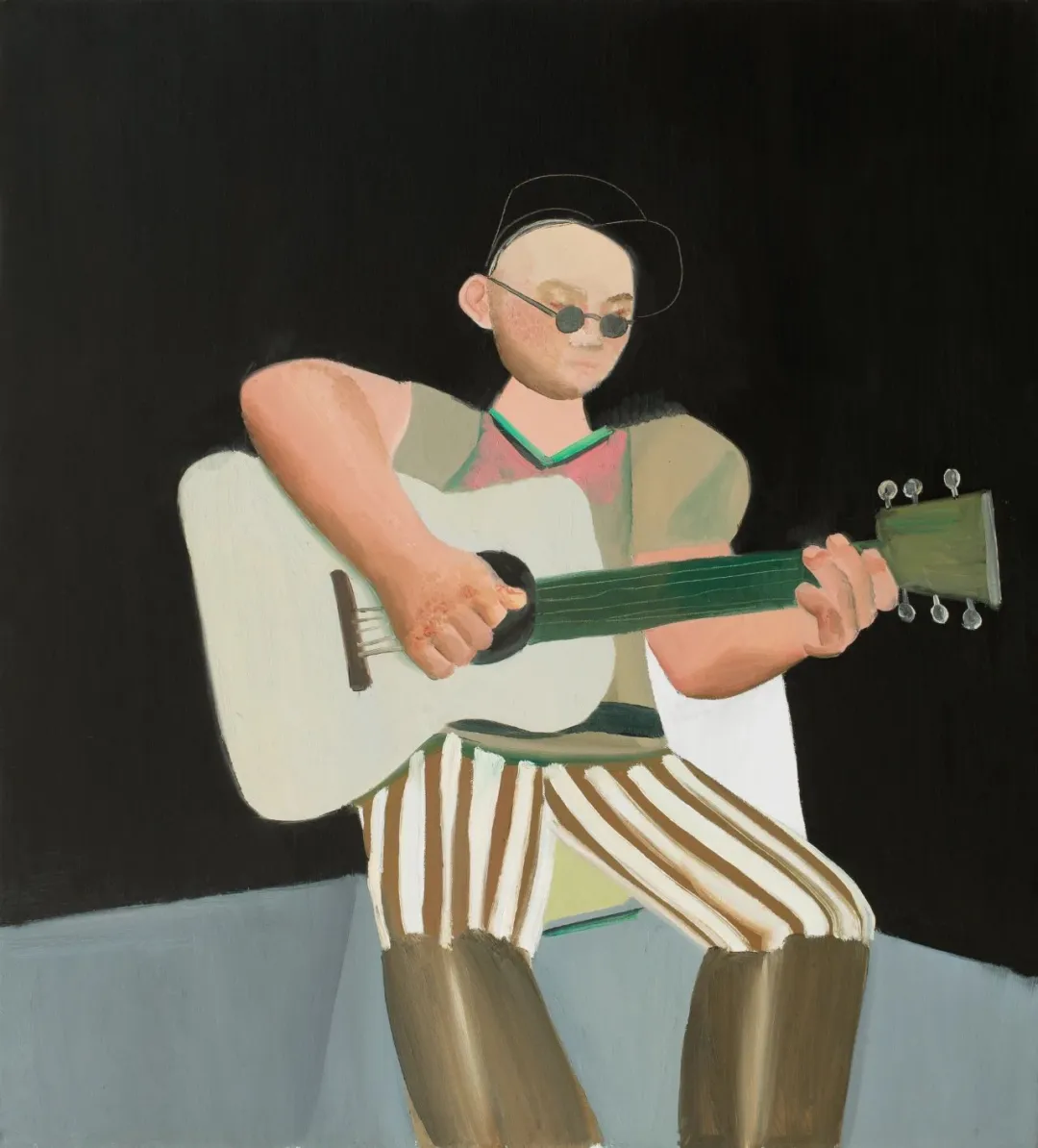
"Guitarist" 110cm×100cm canvas oil painting 2023
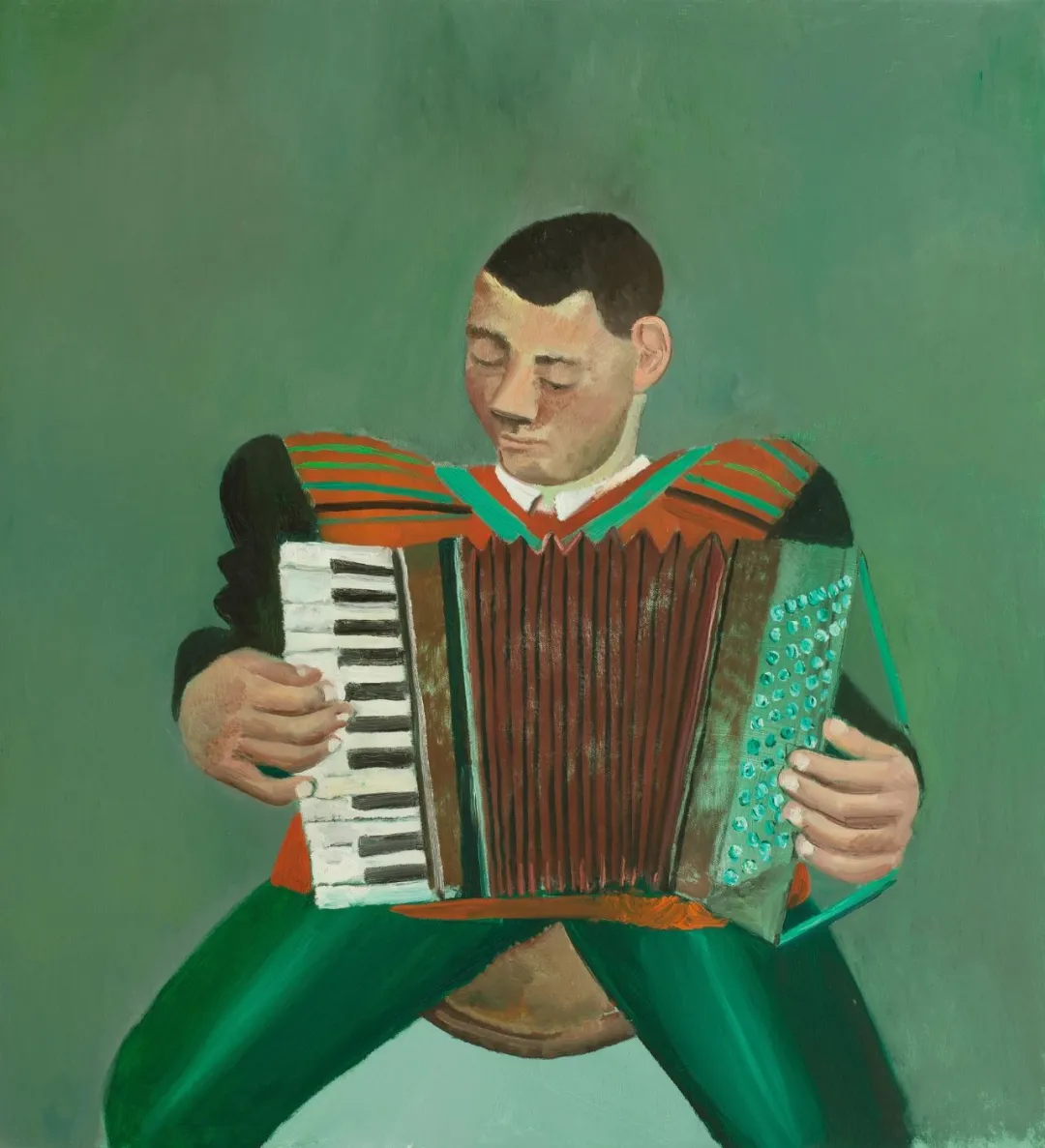
"Self-Entertainment Man" 110cm×100cm Oil on canvas 2023
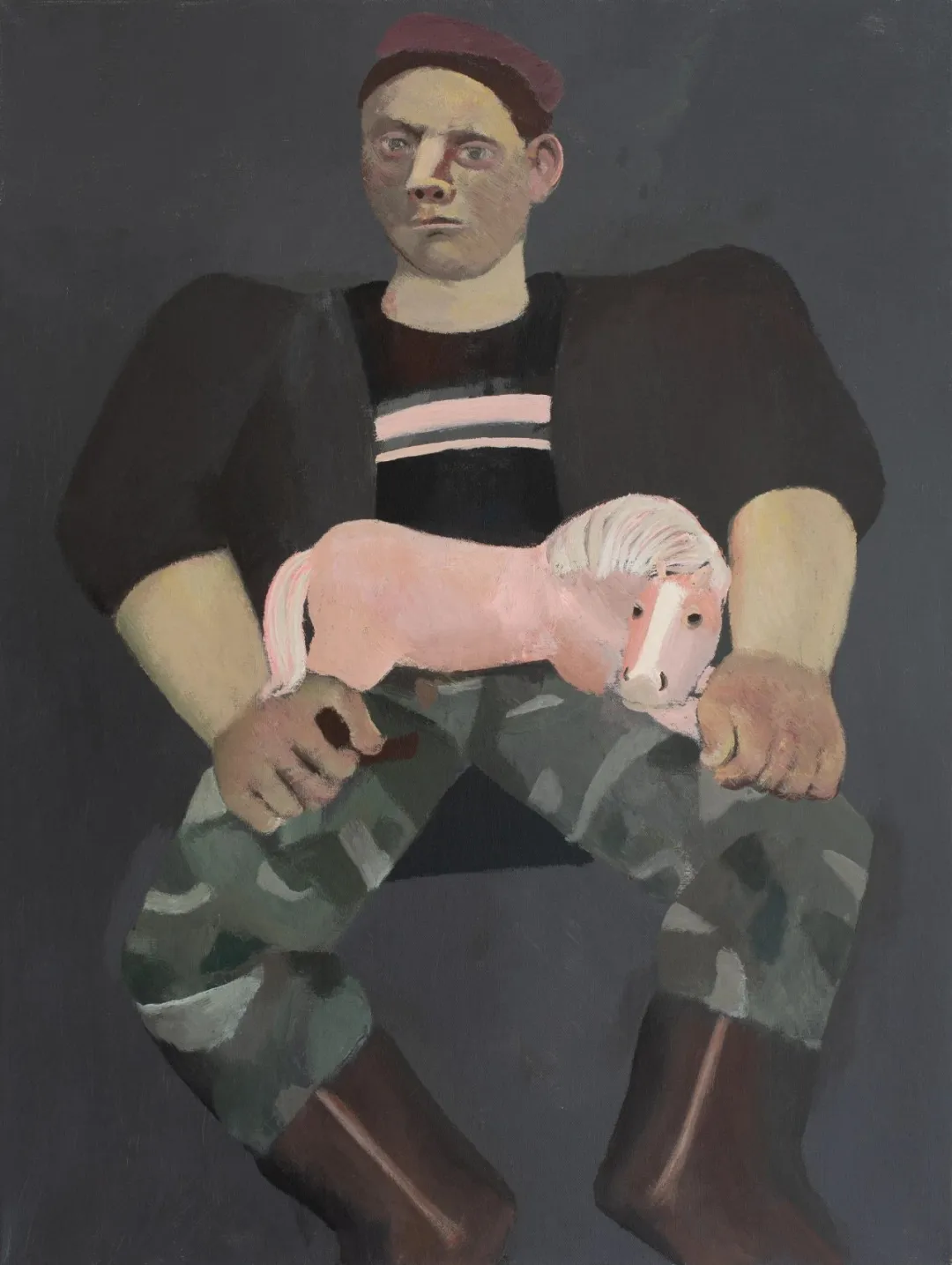
"Little Horse No. 3" 120cm×90cm Oil on canvas 2023
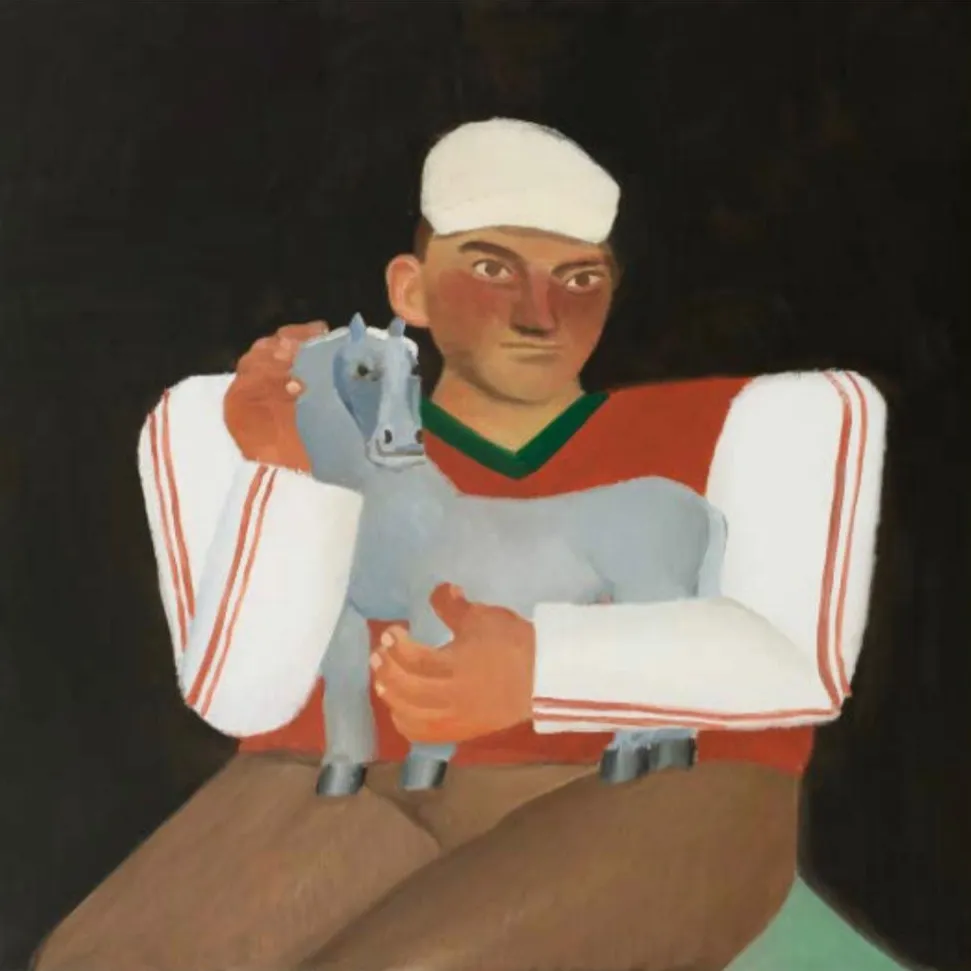
"Little Horse" 110cm×100cm Oil on canvas 2023
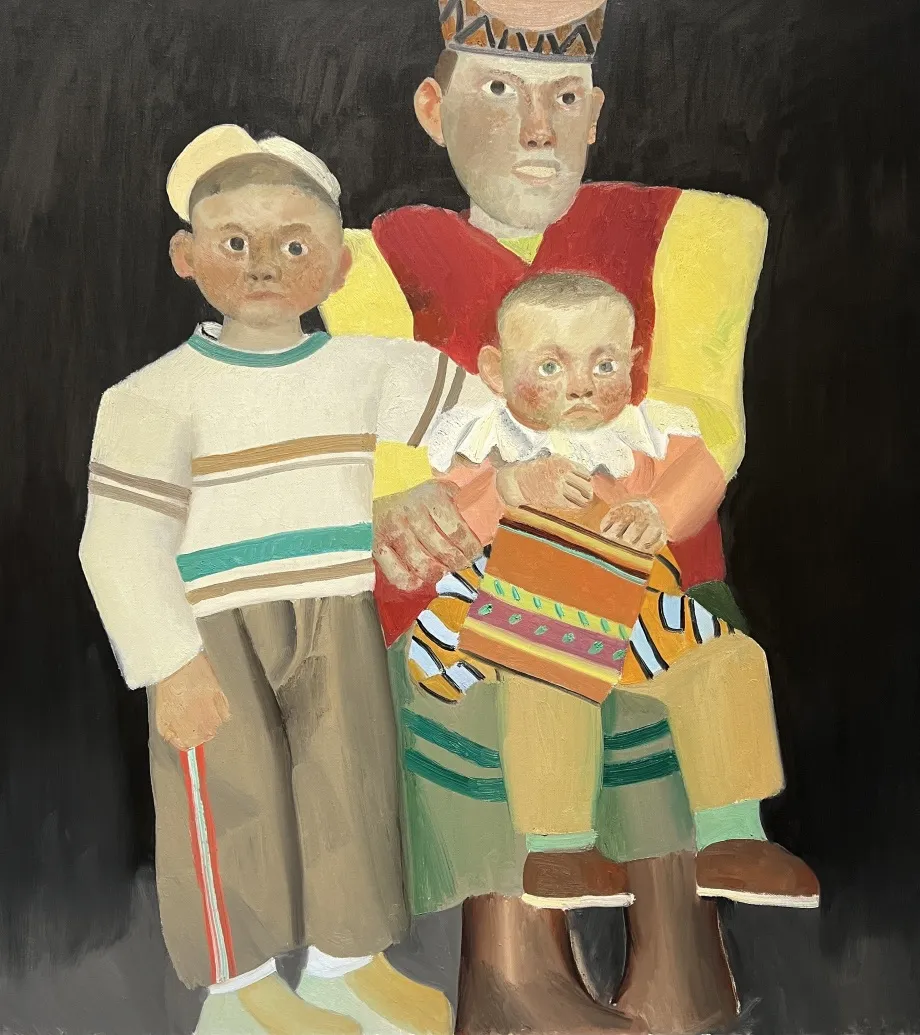
"Mother and Child" 110cm×100cm Oil on canvas 2023
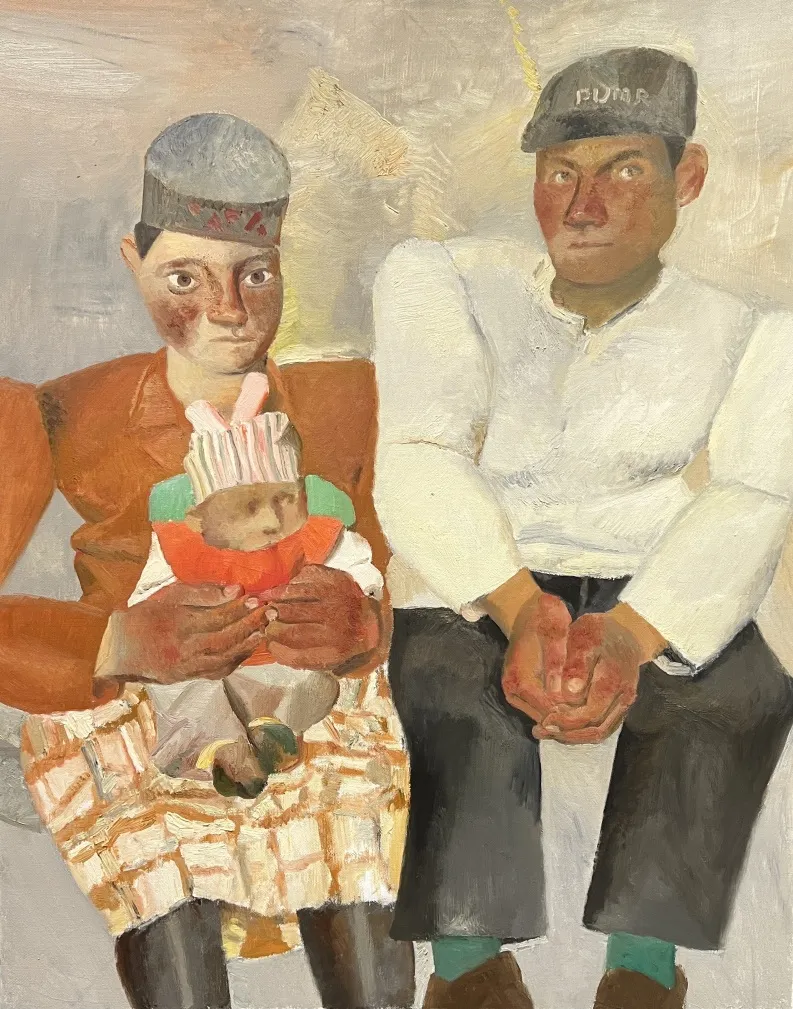
"Family" 100cm×80cm oil on canvas 2022
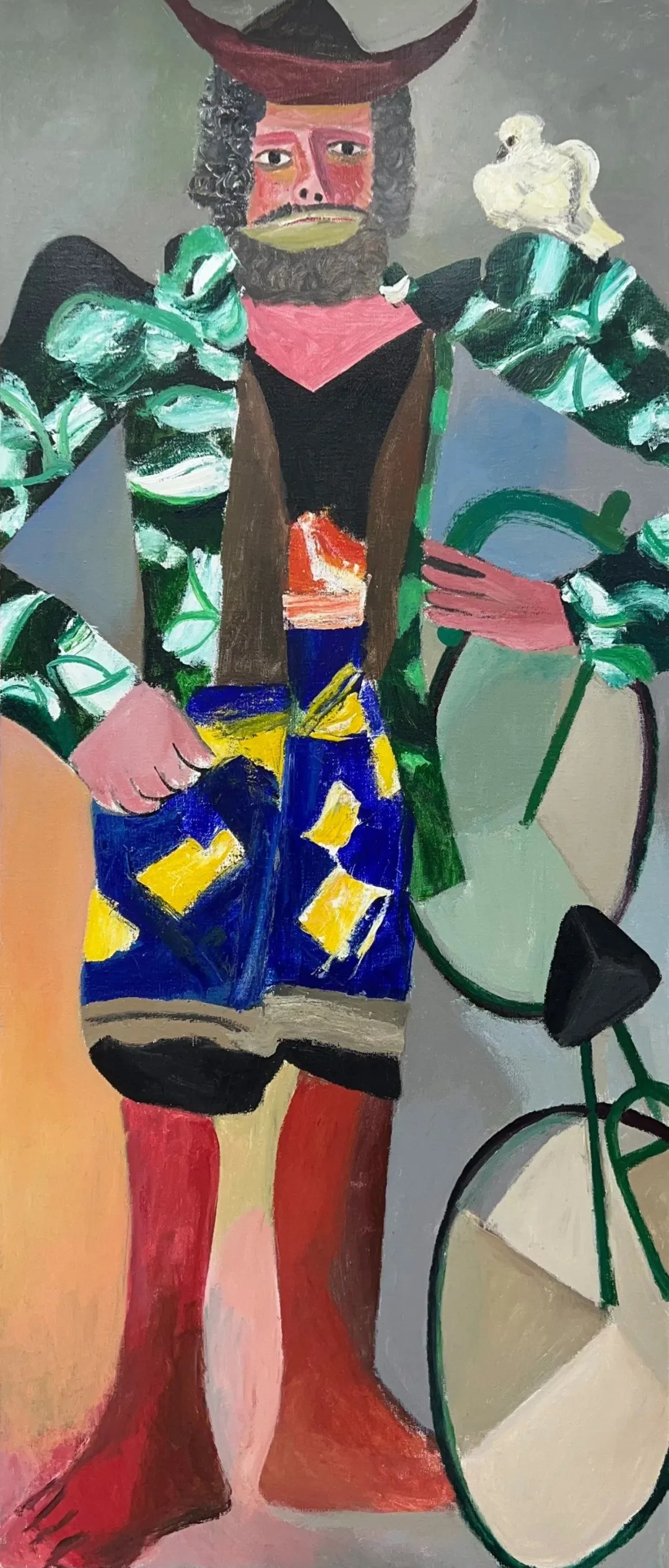
"King Beggar" 210cm×90cm Oil on canvas 2024
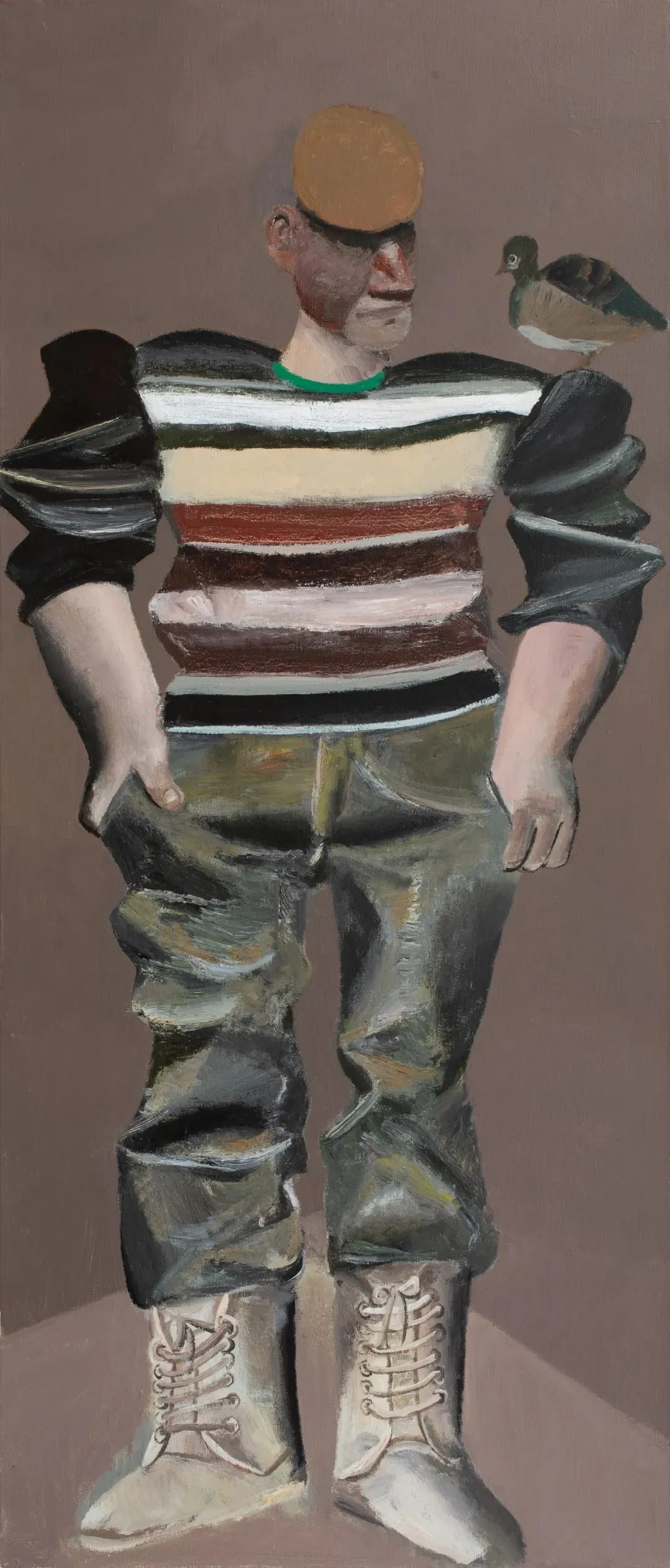
"Birds and Humans" 210cm×90cm canvas oil painting 2022
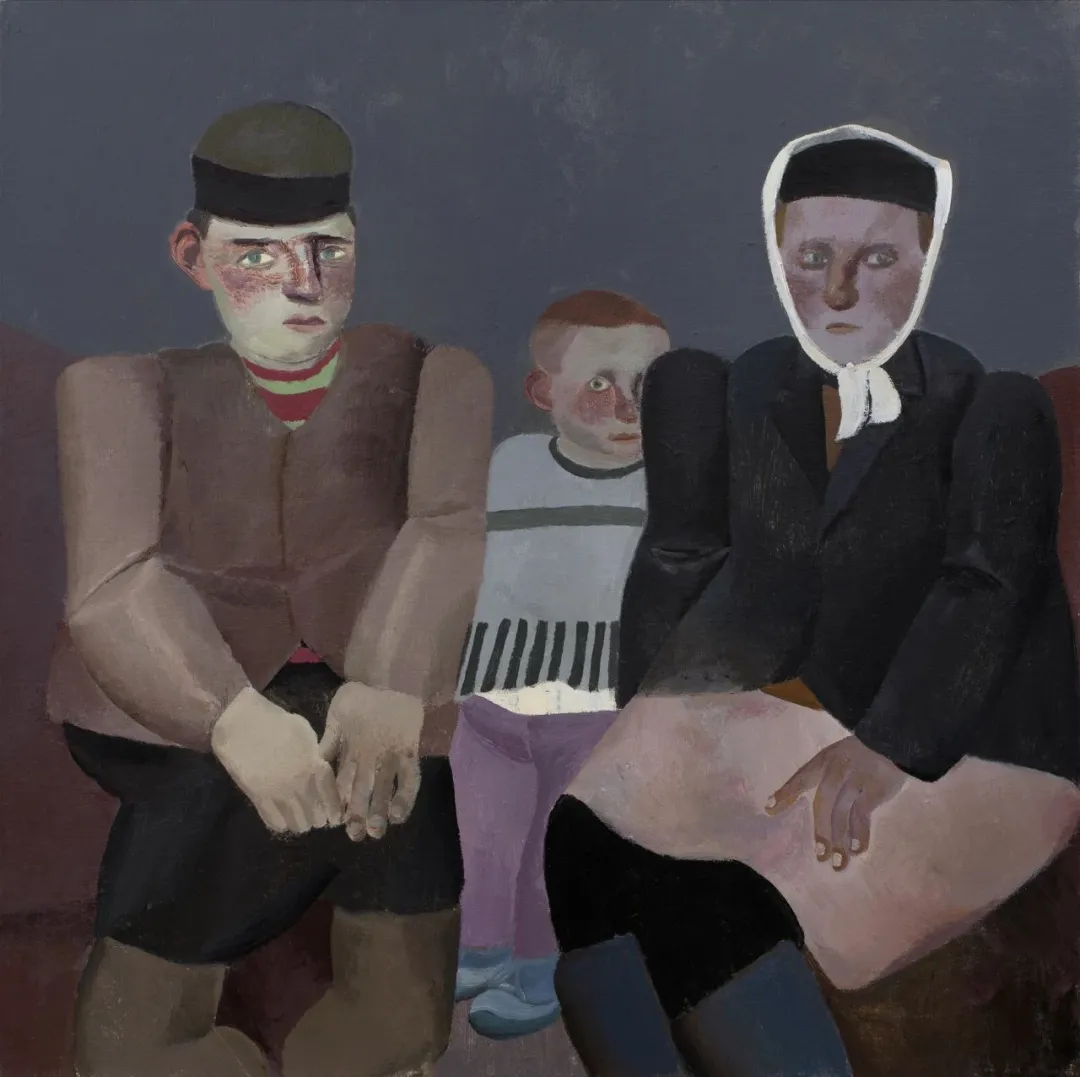
"The Woman of Blenheim Valley" 100cm×100cm Oil on canvas 2022
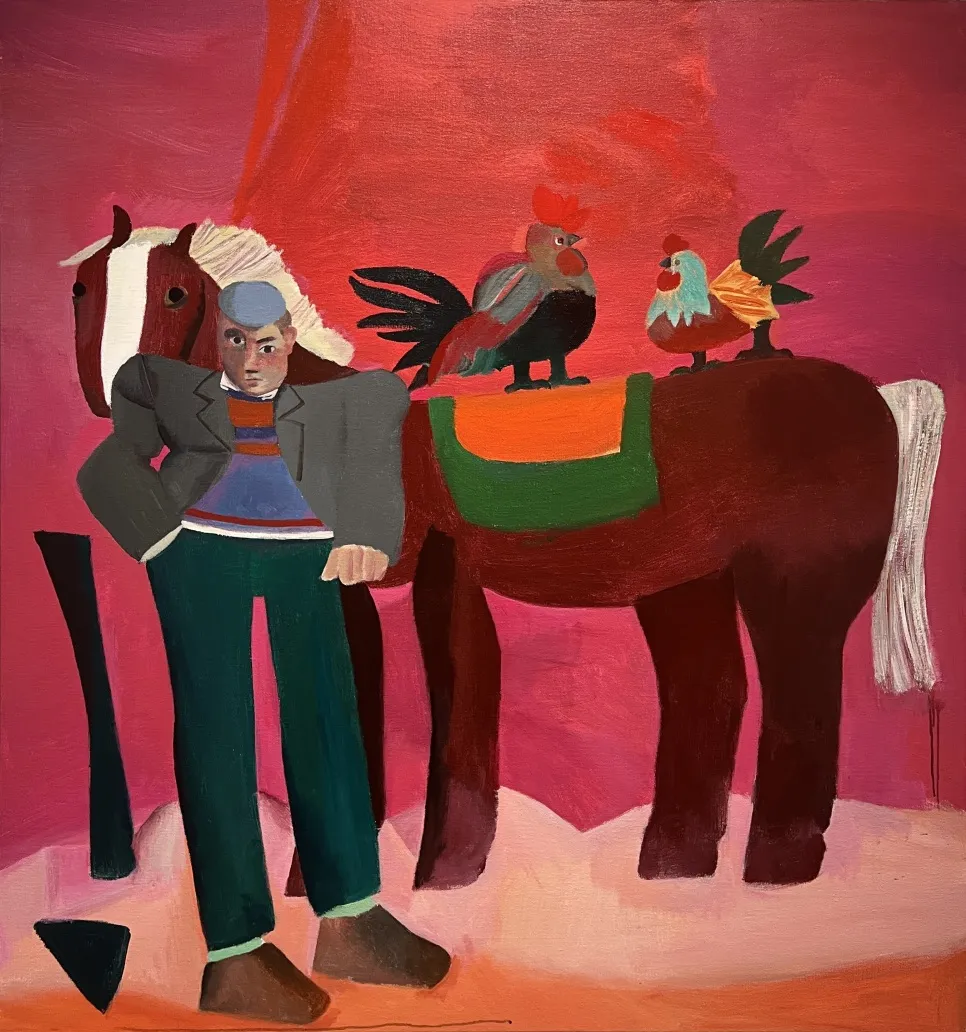
"The Tamed Wild Horse No. 4" 160cm×150cm Oil on canvas 2023
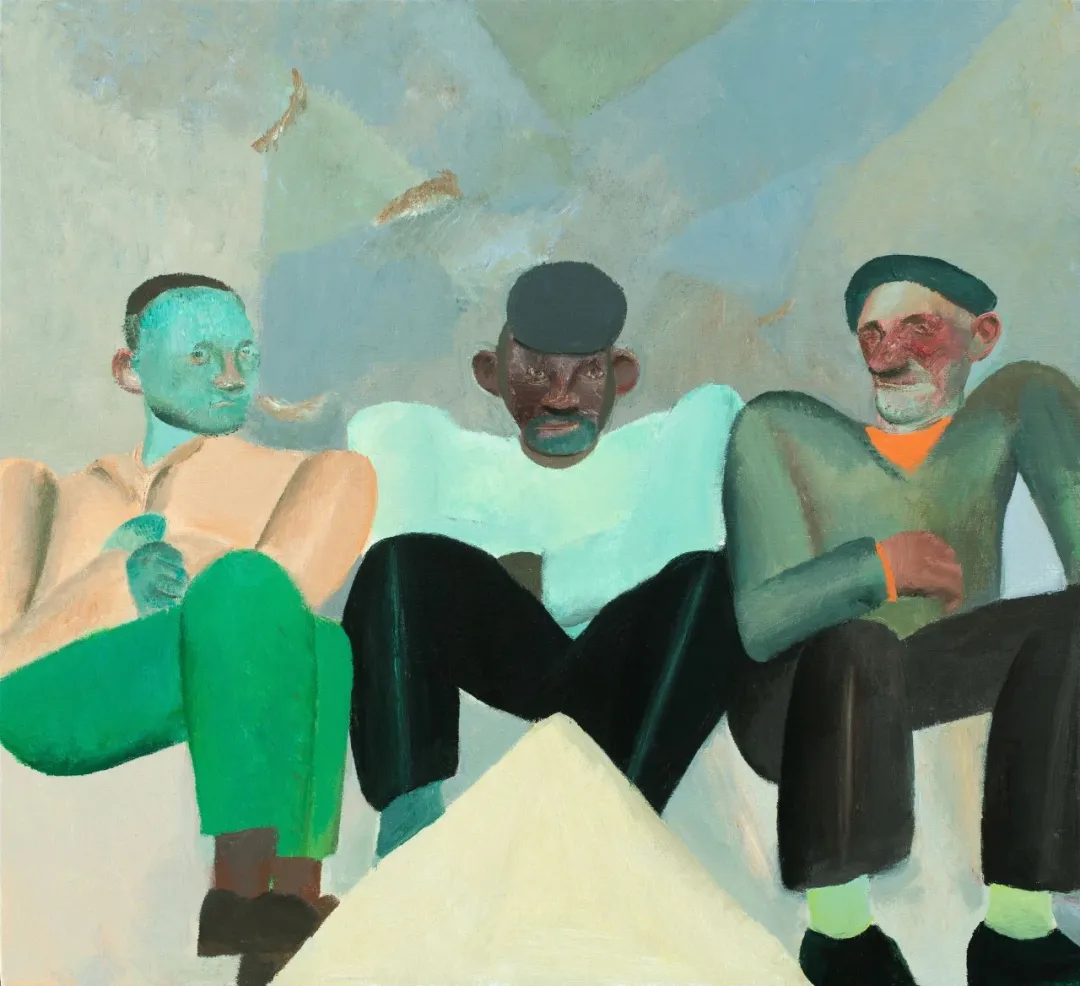
Silent Man XI 100cm×110cm canvas oil painting 2022
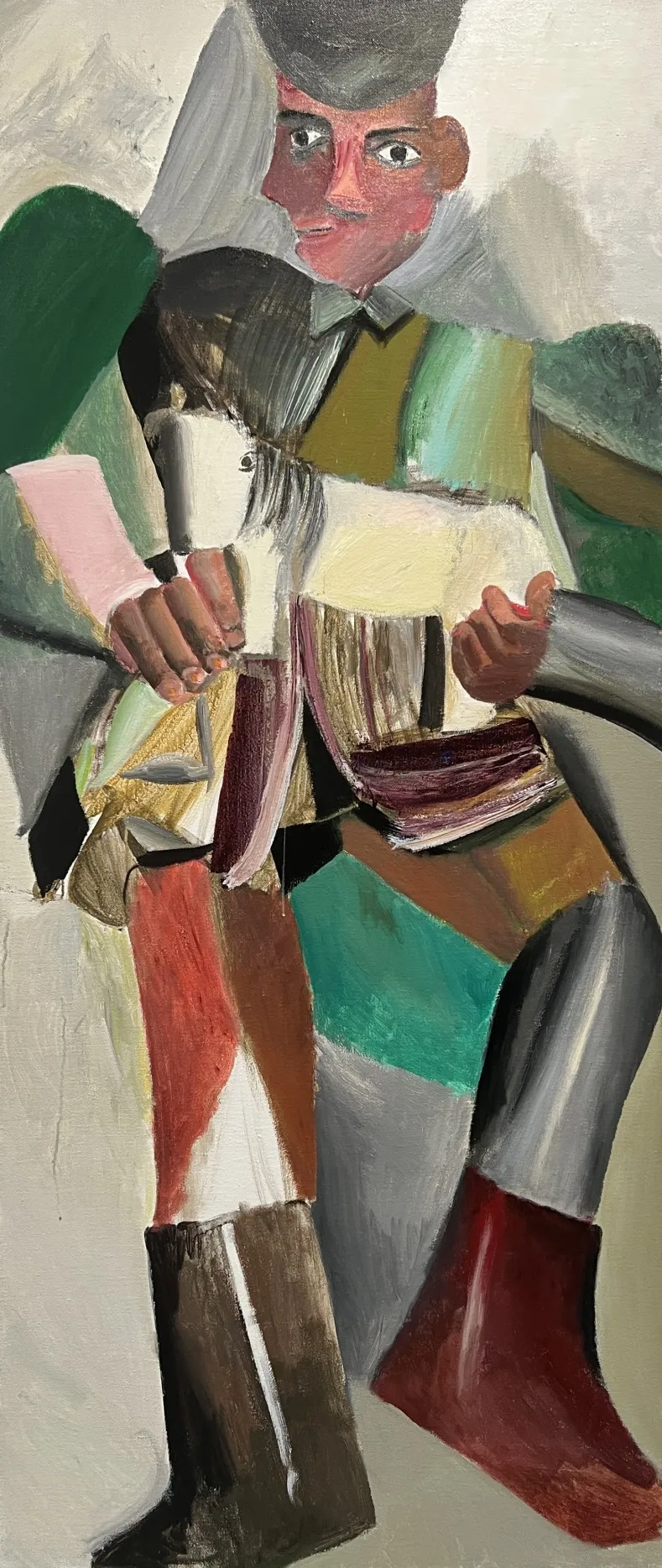
"The Boy Holding a Pony" 210cm×90cm canvas oil painting 2024
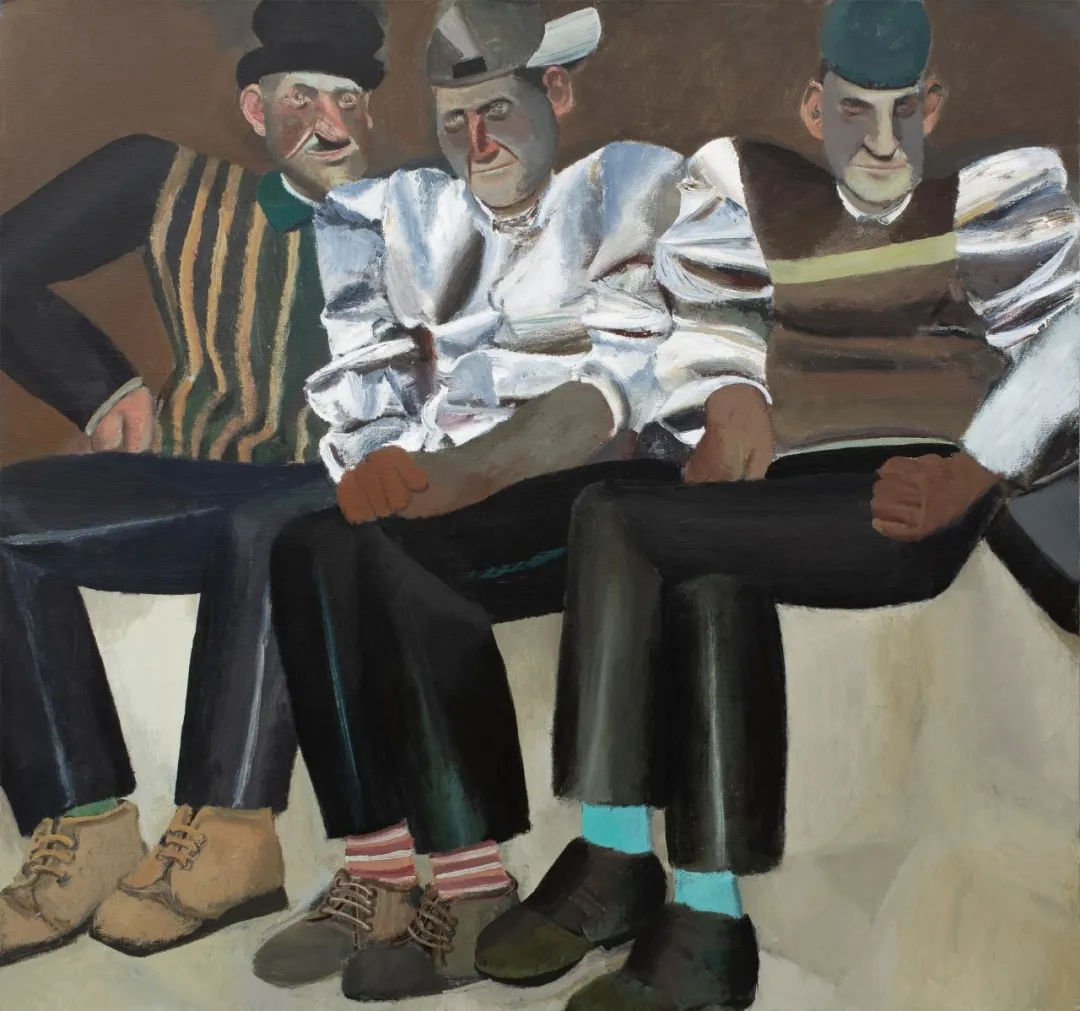
"The Silent Man" 160cm×150cm canvas oil painting 2022
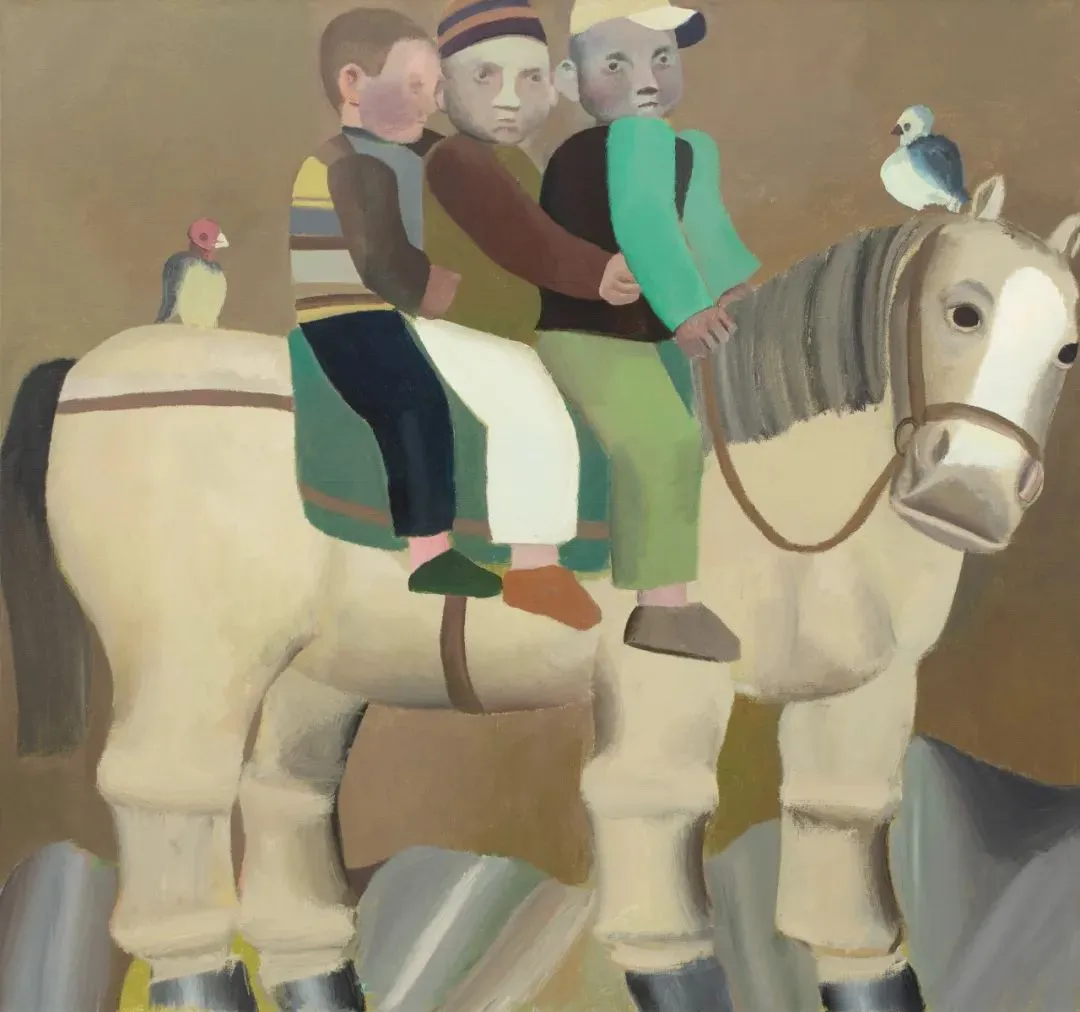
"Joy" 160cm×150cm oil on canvas 2022
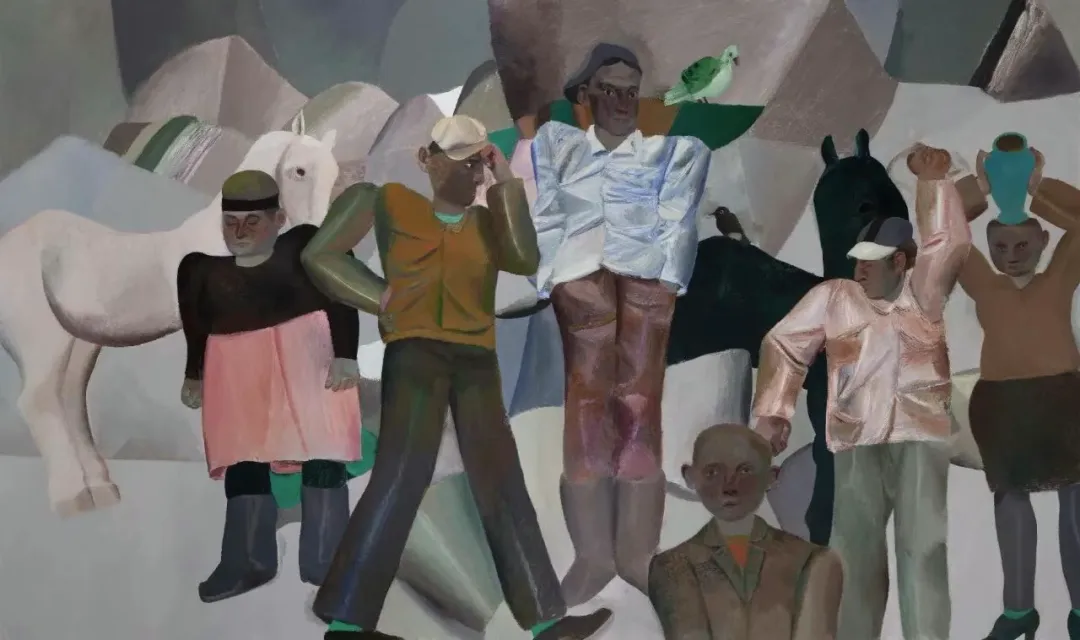
"Walking of Wacha" 200cm×340cm Oil on canvas 2022
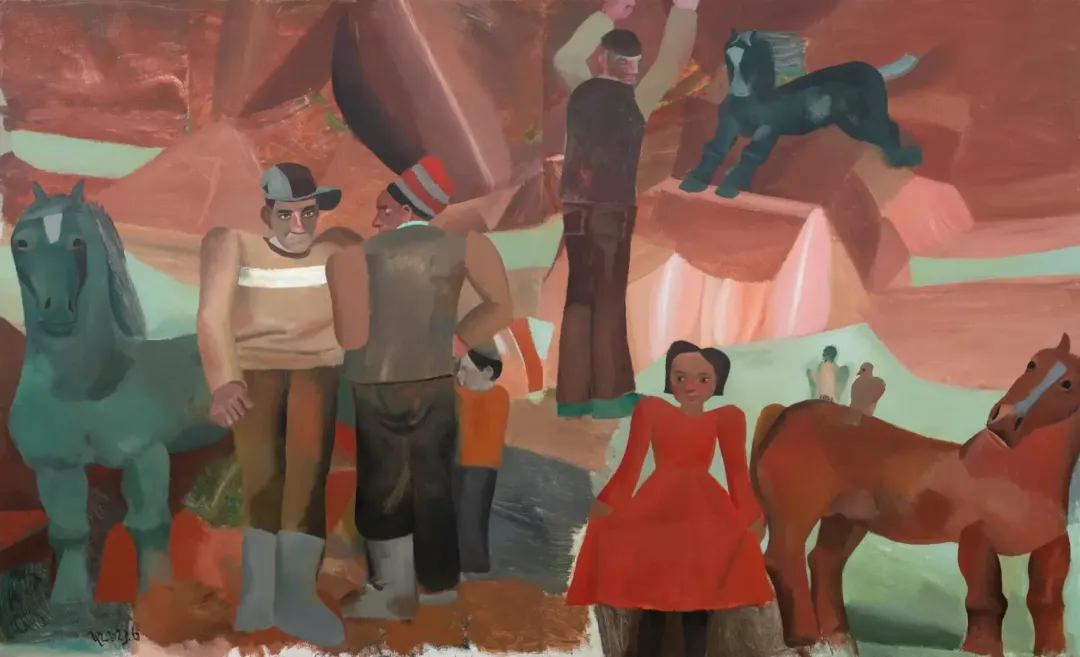
"In the Mountains" 220cm×360cm Oil on canvas 2023
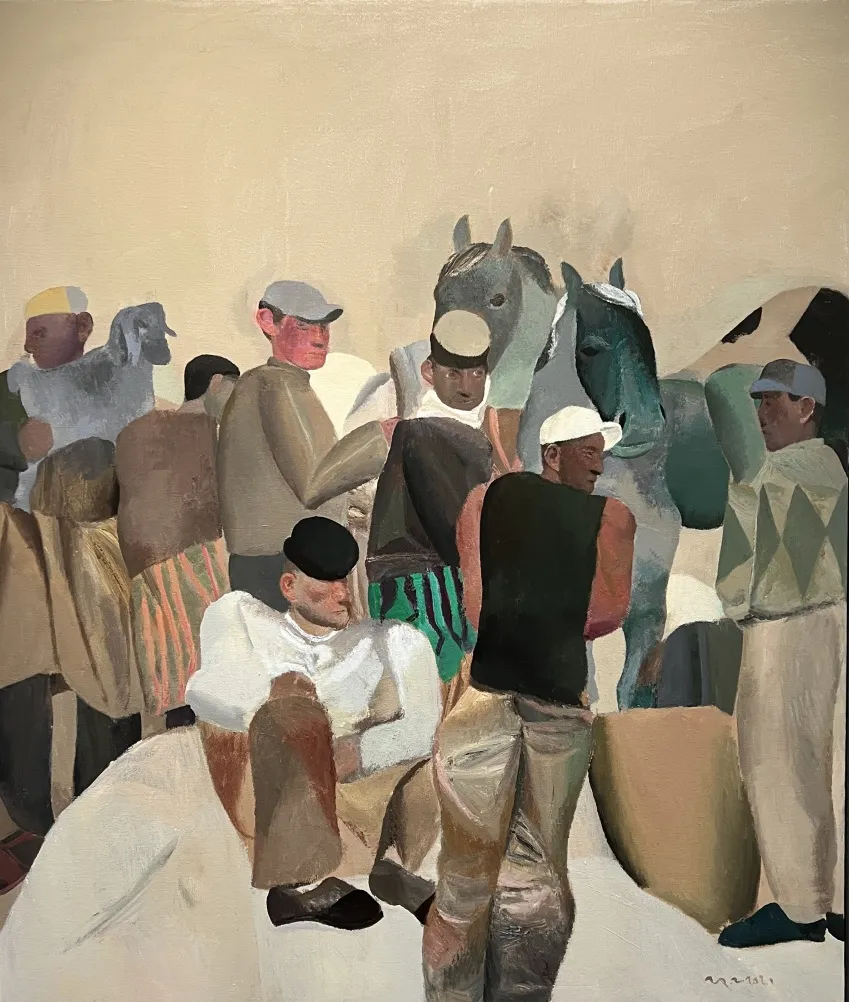
"The Horse of Yu" 200cm×170cm Oil on canvas 2021
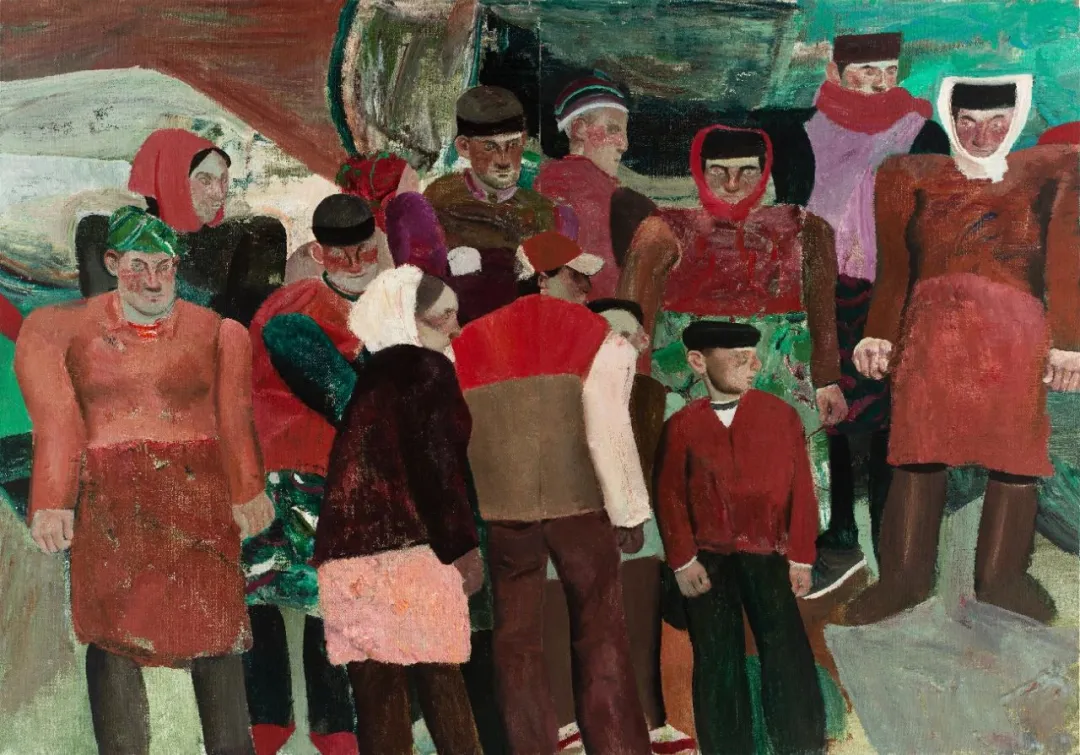
"Voices of Spring" 210cm×300cm canvas oil painting 2020
Dafen Art Museum
Currently on display
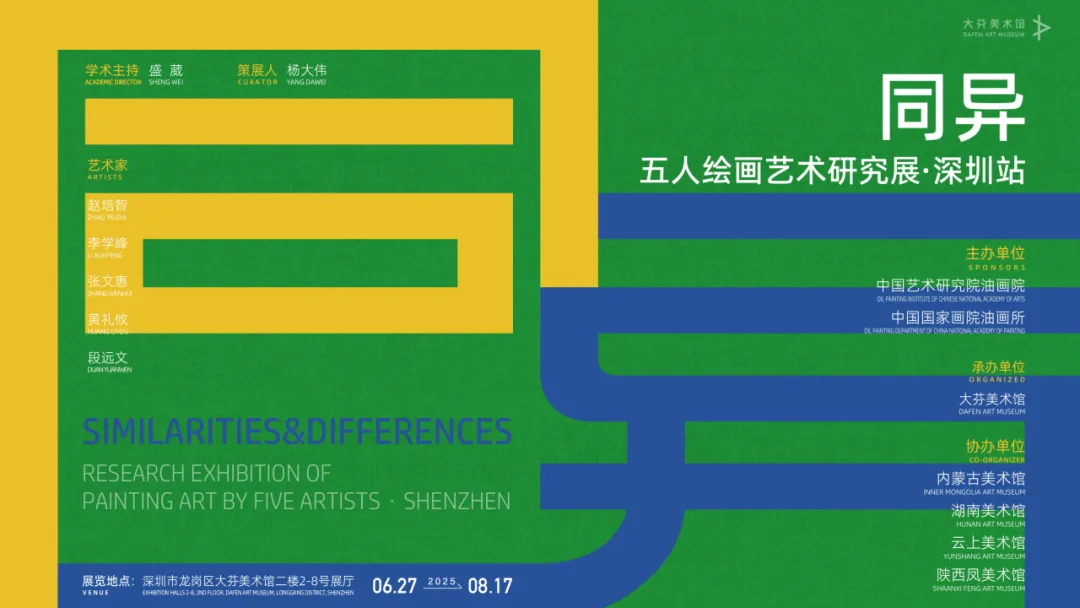
Similarity and difference —Five People Painting Art Research Exhibition · Shenzhen Station
SIMILARITIES & DIFFERENCES
RESEARCH EXHIBITION OF PAINTING ART BY FIVE ARTISTS·SHENZHEN
Exhibition Hours
June 27, 2025 - August 17, 2025
Exhibition Venue
Exhibition Hall 3-8, Second Floor, Dafen Art Museum, Longgang District, Shenzhen
Exhibition Halls 3-8, 2nd Floor, Dafen Art Museum, Longgang District, Shenzhen
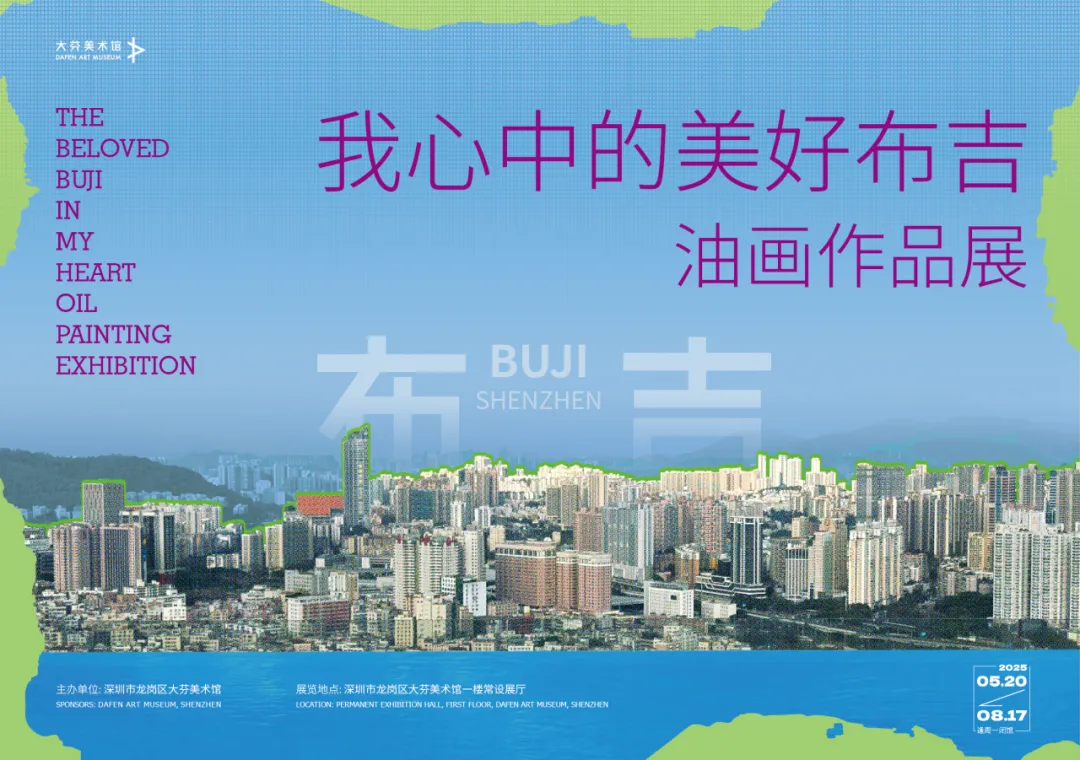
The Beautiful Phuket in My Heart - Oil Painting Exhibition
THE BELOVED BUJI IN MY HEART OIL PAINTING EXHIBITION
Exhibition Hours
May 20, 2025 - August 17, 2025
Exhibition Venue
First floor permanent exhibition hall of Dafen Art Museum, Longgang District, Shenzhen.
Permanent Eexhibition Hall, First Floor Dafen Art Museum, Shenzhen
Dafen Art Museum
Dafen Oil Painting Village Cultural Development Center
The only official public account
- E N D -
Welcome to share it to your friend circle.