
Lecture review__Landscape Painting as Revolutionary Historical Painting: The Rise and Transformation of Landscape Painting in the 1950s-60s
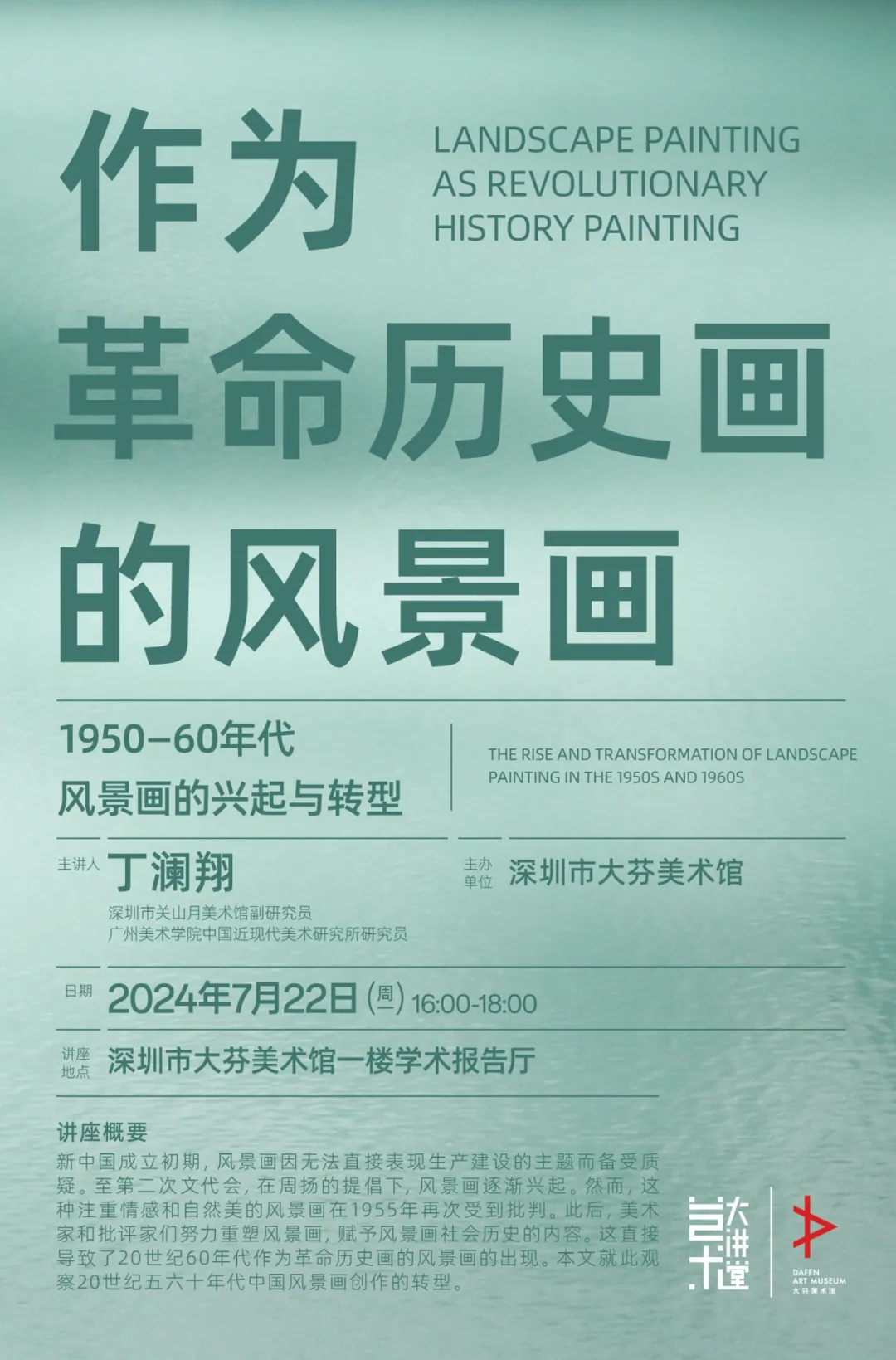
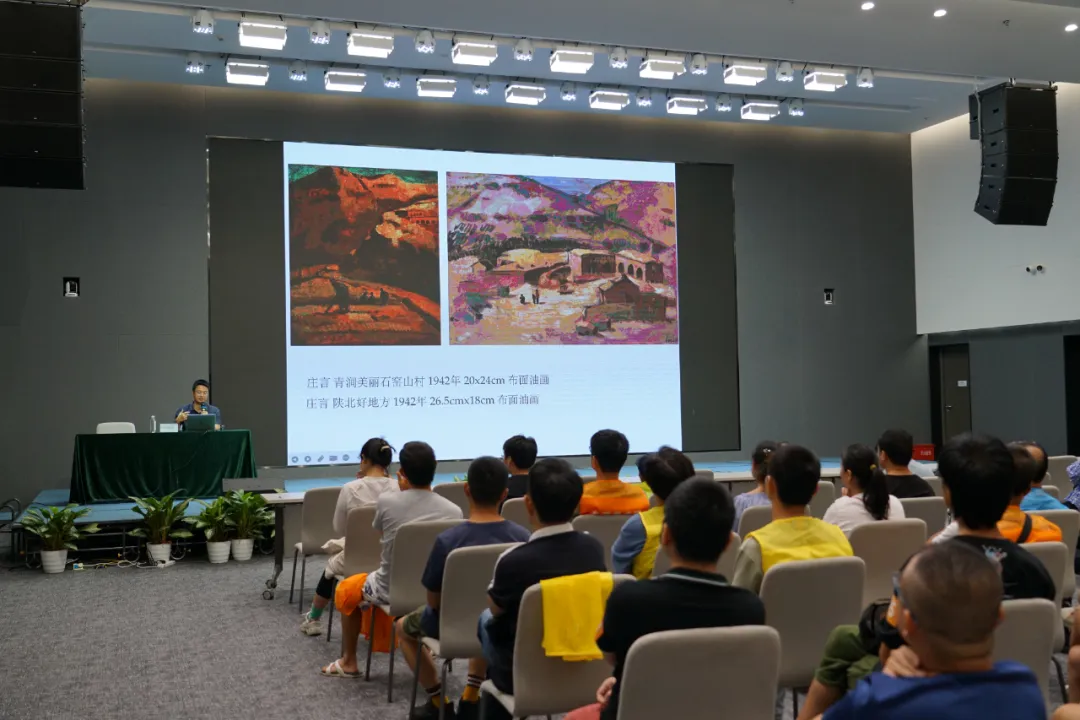
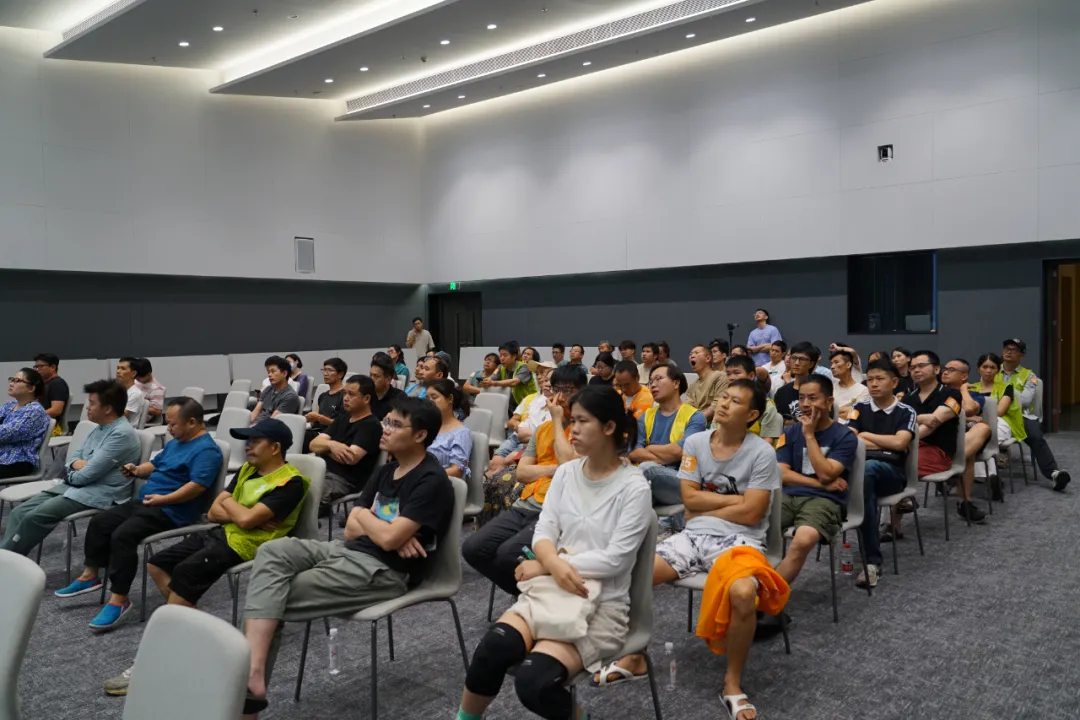
On the afternoon of July 22,As a landscape painted by revolutionary history draw. The lecture was held in the academic lecture hall of Dafen Art Museum, Dafen Oil Painting Village. The lecture was delivered by Ding Lanxiang, associate researcher of Guan Shanyue Art Museum in Shenzhen and researcher of the Institute of Modern and Contemporary Chinese Art of Guangzhou Academy of Fine Arts.
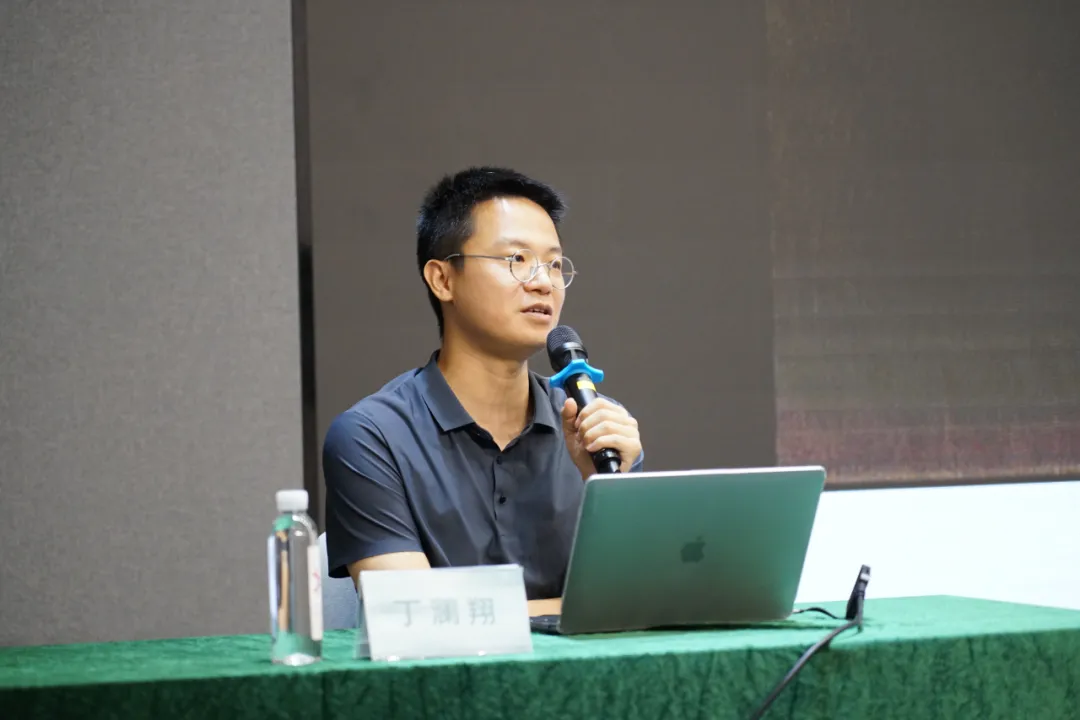
Speaker: Ding Lanxiang
Lecture recap
The works of art of each period are the concentrated embodiment of its aesthetic views and social practices in that period, and different backgrounds of the times have also created different works of art. Mr. Ding Lanxiang's lecture "Landscape Painting as Revolutionary Historical Painting" discussed the characteristics of landscape painting and its transformation process in the early days of the founding of New China. The artworks of this period reflect the aesthetic views and social practices of the time, and landscape painting is no exception.
In ancient China, landscape painting gradually became independent from the background of figure painting, for example, an important branch of the Sui and Tang dynasties was the formation of landscape painting. Western landscape painting, on the other hand, did not complete a similar process of independence until the first half of the 16th century. In the early days of the founding of the People's Republic of China, the status of landscape painting in New China was very awkward, and it was once regarded as an unwanted art form, because the mainstream of art at that time was figure painting, reflecting heroic figures and production and construction.
With the arrival of the climax of revolutionary history painting in the late 1950s, landscape painting gradually became an important subject. For example, Ai Zhongxin's "The Red Army Passes the Snow Mountain", Shi Lu's "Turning to Northern Shaanxi" and Luo Gongliu's "Jinggang Mountain". These works combined landscape painting with revolutionary historical themes, giving landscape painting a political significance. During this period, the art world emphasized new characters, new events, and new themes, which were reflected in works of socialist construction and revolutionary history.
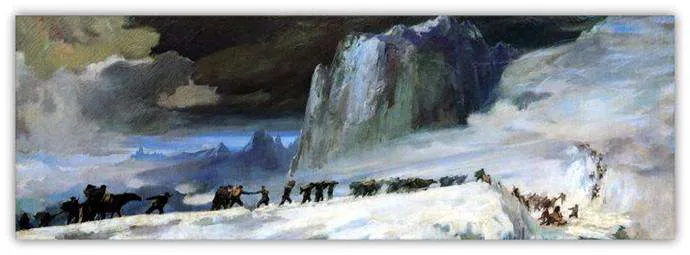
Ai Zhongxin "The Red Army Crossing the Snow Mountain"
Oil painting, 1957, Military Museum of the Chinese People's Revolution
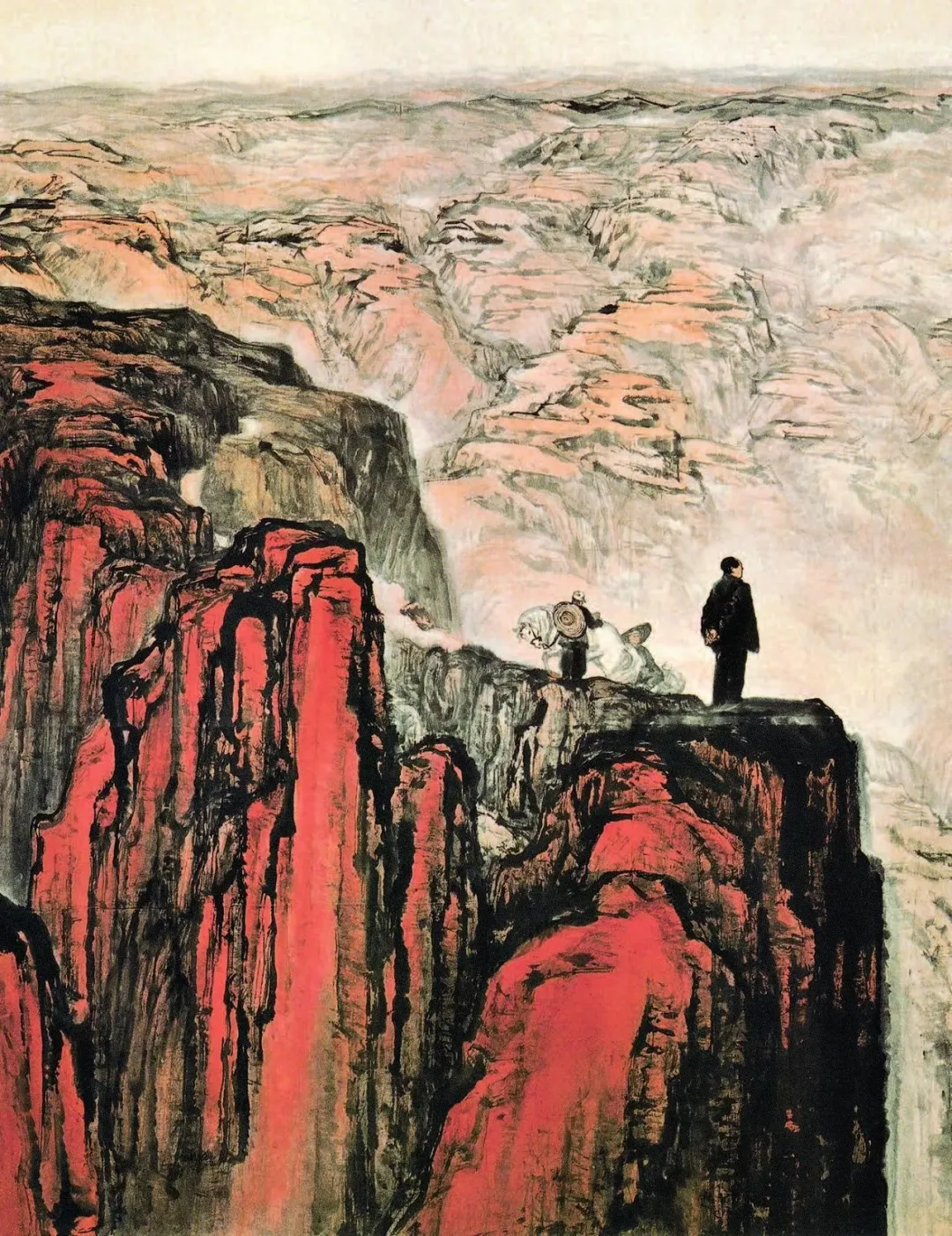
Shi Lu "Turning to Northern Shaanxi"
Ink and color on paper, 208cm×208cm
1959 yearCollection of the National Museum of China
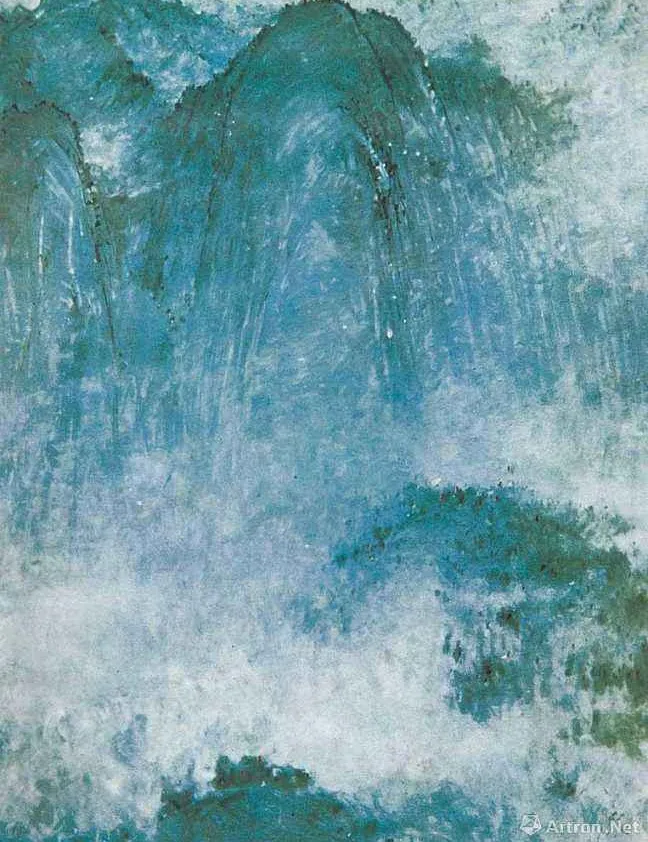
Luo Gongliu "Jinggang Mountain"
Oil on canvas, 1962
National Museum of China
If a landscape painting faithfully expresses the beauty of nature, it will be criticized as a kind of bourgeois naturalism, and if it expresses the characteristics of this form, it will be classified as bourgeois formalism. At that time, a painter named Zhuang Yan painted "A Good Place in Northern Shaanxi" was a sketch of a village, which now seems to be a very ordinary scene portrait, and was criticized by name as a representative of bourgeois art at that time. Therefore, landscape painting has always been criticized as the so-called bourgeois modernist art landscape painting, which pursues the characteristics of natural beauty and inner formal beauty, and is not accepted by Yan'an literary and artistic thought.
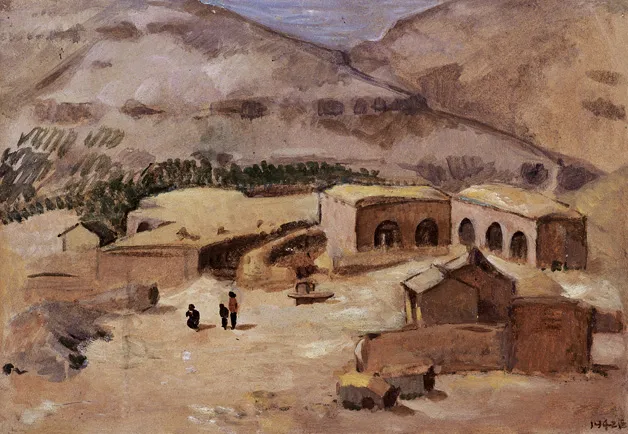
Zhuang Yan "Good Place in Northern Shaanxi"
Oil on canvas, 1942, 26.5cm×18cm
However, after 1954, with the influence of international art exchanges such as the Czechoslovak Printmaking Exhibition, landscape painting began to be valued. Artists gradually changed the way landscape painting was created through sketching and depictions of natural beauty. During this period, landscape painting was considered to be the need to embody the painter's emotions and express the beauty of nature. Zhou Yang and other people in the art world proposed that landscape painting and figure painting were equally important, which promoted the creation of landscape painting. Landscape paintings were exhibited at the 1954 National Watercolor Sketch Exhibition, and about 30% of the exhibits were landscape paintings. These works often depict small scenes in everyday life, reflecting the painters' true feelings about nature and life. With the increase in landscape paintings, a large number of landscape paintings were also exhibited at the 1954 National Printmaking Exhibition, reflecting the natural scenery and life scenes of all parts of the country.
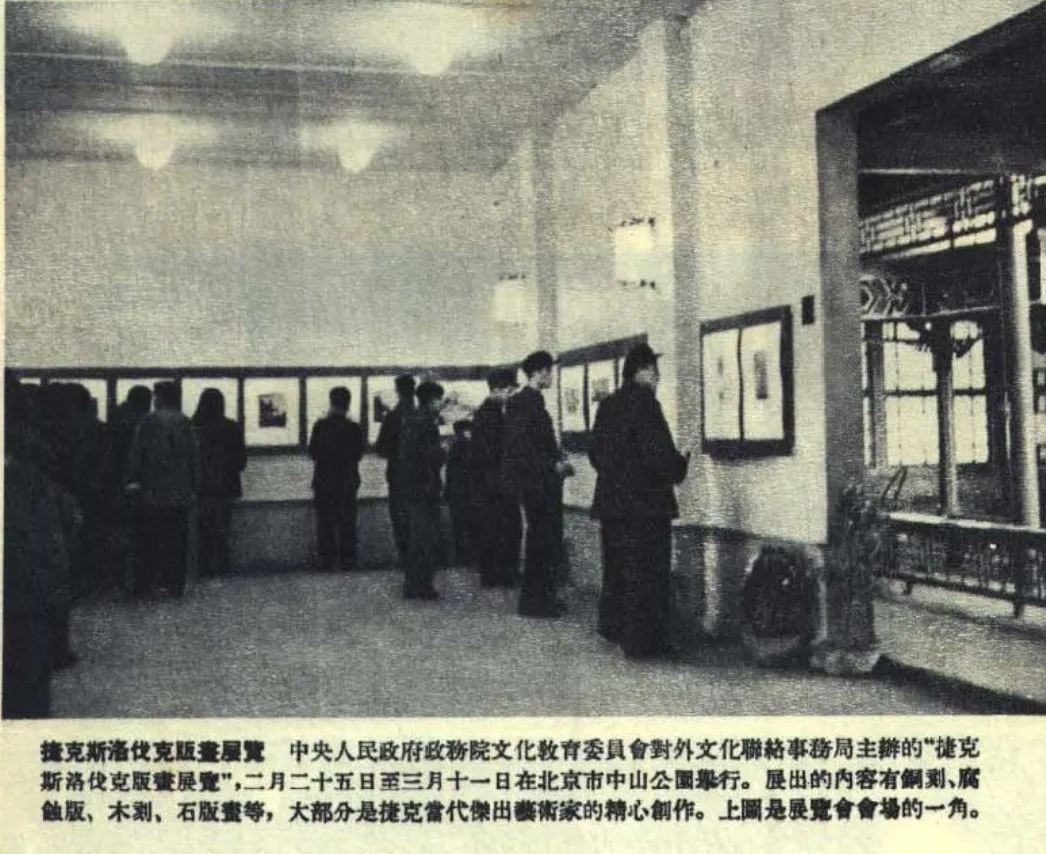
Exhibition of Czechoslovak prints
Through these landscape paintings, the artists not only express the pursuit of natural beauty, but also reflect the socio-historical content to a certain extent. For example, Dong Xiwen's "Spring to Tibet" depicts the difficult construction of the Kang-Tibet Highway, showing the new atmosphere of Tibet and the changes since its liberation. Such landscape painting is not only a depiction of natural scenery, but also a reflection of the historical process of society.
In general, landscape painting went through a process from being questioned to gradually being accepted in the early days of the founding of the People's Republic of China. When creating landscape paintings, artists should not only express natural beauty and personal emotions, but also endow landscape paintings with social and historical content, so that they can be rooted in deep ideologies in terms of form and concept. In the context of New China, landscape painting reconciles socialist culture and nature, as a collective relationship between man and nature. Landscape painting is no longer a representation of natural landscapes, but a cultural practice of natural landscapes.
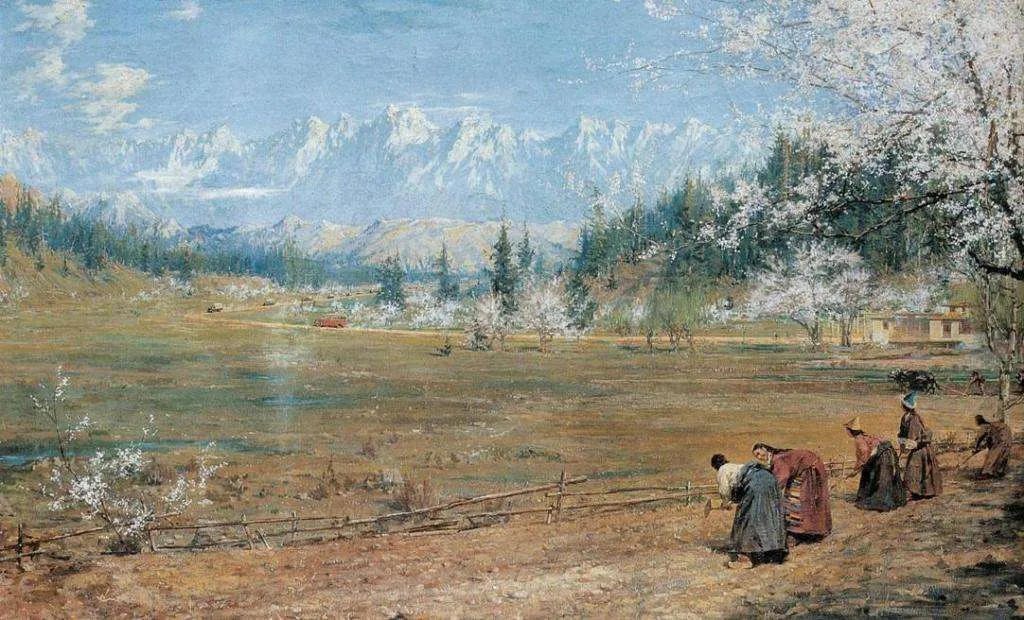
Dong Xiwen "Spring to Tibet"
Oil on canvas, 1954, 153cm×234cm
Collection of the National Museum of China
The reason why landscape painting can become the subject of revolutionary art painting is, on the one hand, the artist needs to perceive this natural force and the content of social history from the natural landscape. On the other hand, the artist transformed his own artistic practice into a carrier of revolutionary history to nature, so that the two seemingly incompatible painting types of landscape and revolutionary history painting were integrated, forming a unique visual cultural landscape in the history of New China, which is a landscape section of revolutionary history painting.
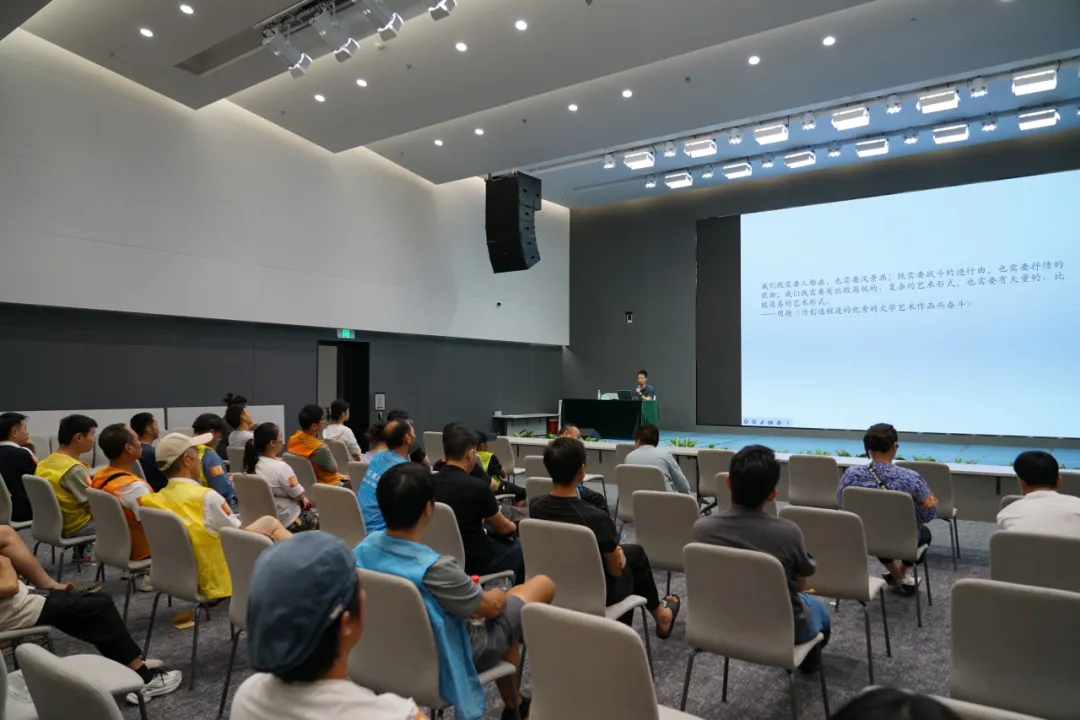
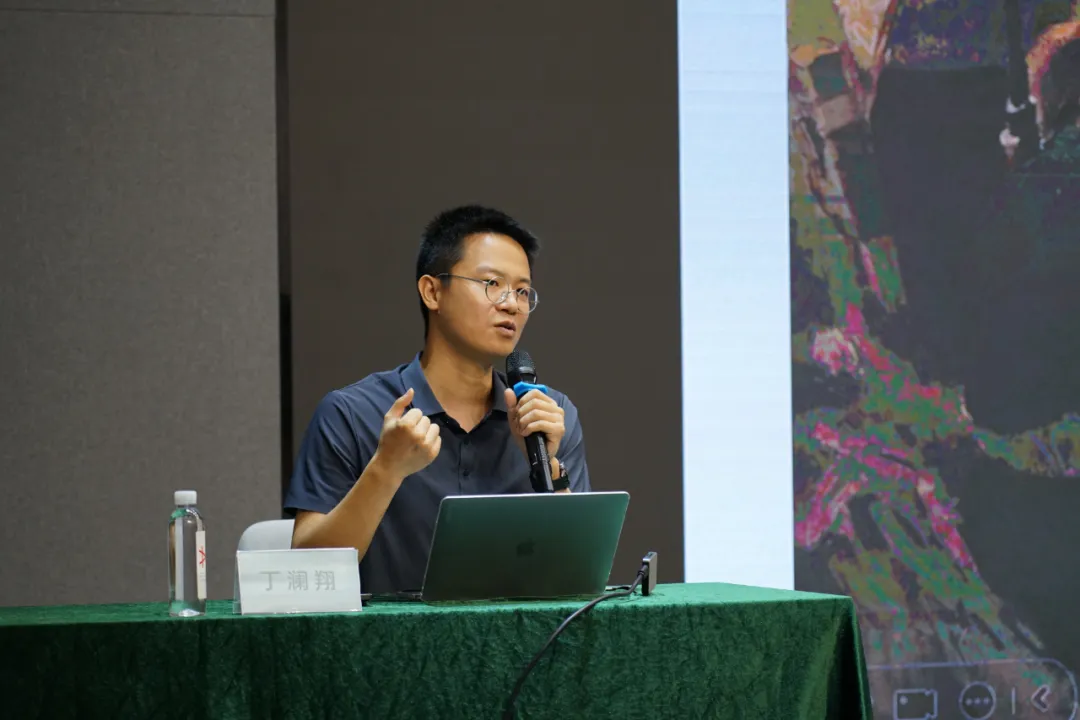
Through a detailed historical review and analysis of artworks, Mr. Ding Lanxiang revealed the development process of landscape painting in the early days of the founding of the People's Republic of China, discussed the characteristics of artworks and their social and political backgrounds during this period, and provided valuable guidance and inspiration for contemporary artists in creating landscape paintings.

Dafen Art Museum
Dafen Oil Painting Village Cultural Development Center
The only official public account
- E N D -
Welcome to forward to your circle of friends