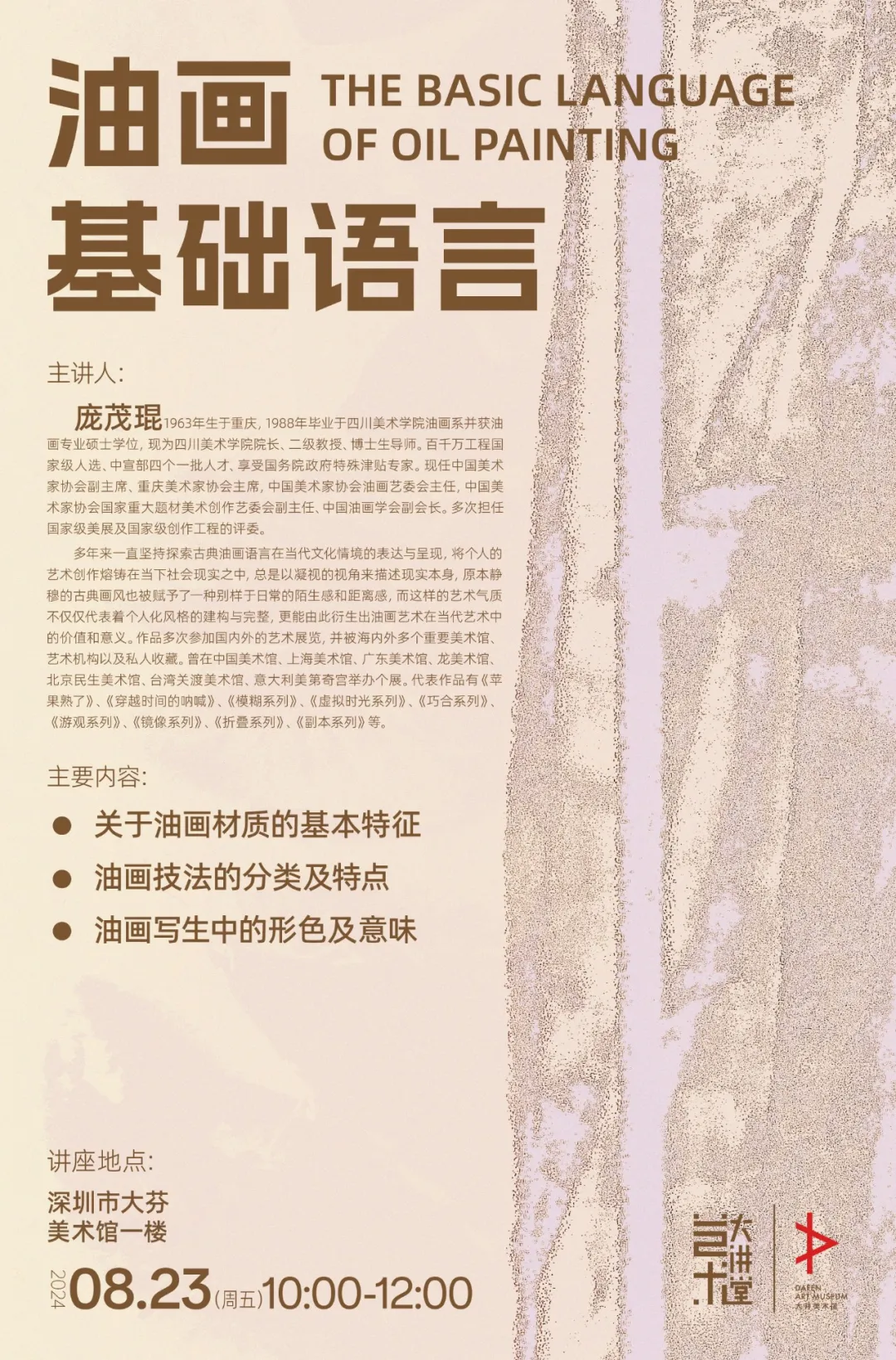
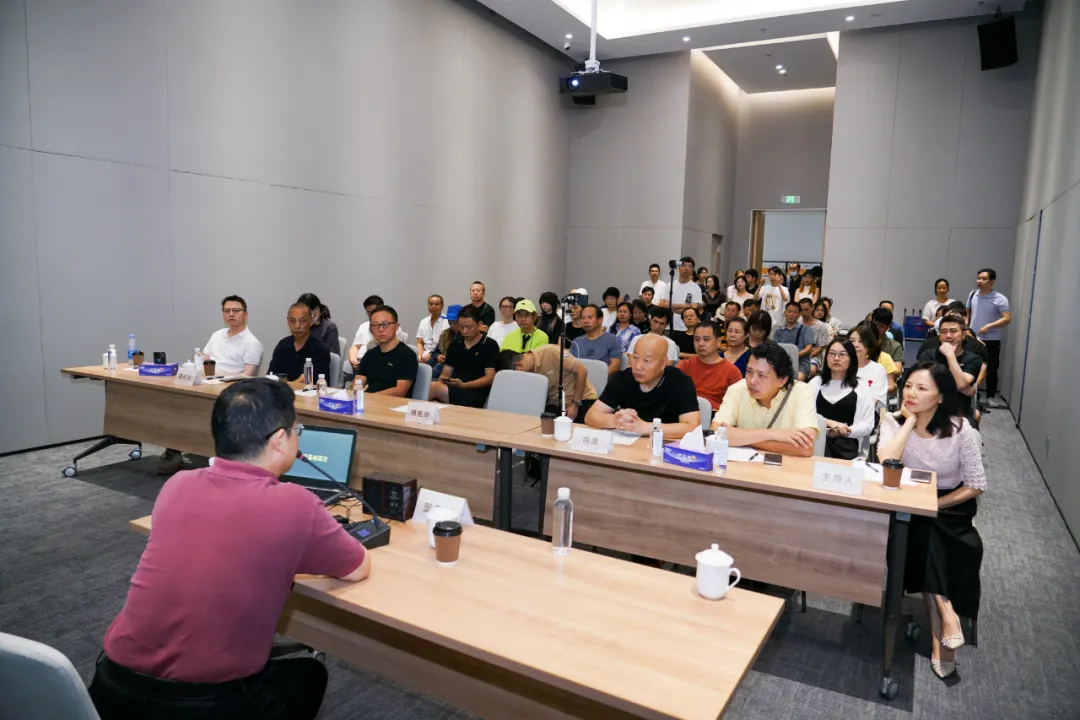
On the morning of August 23, 2024, the Shenzhen Dafen Art Museum sincerely invited Pang Maokun, the Dean of Sichuan Fine Arts Institute, a second-level professor and doctoral supervisor, as well as the current Vice Chairman of the China Artists Association, Chairman of the Chongqing Artists Association, Director of the Oil Painting Art Committee of the China Artists Association, Deputy Director of the National Major Theme Art Creation Art Committee of the China Artists Association, and Vice President of the China Oil Painting Society. With the theme of "The Basic Language of Oil Painting," Pang Maokun will deeply analyze the subject from various aspects, including oil painting materials, techniques, and the shape and meaning of oil painting. The audience will be guided through the realm of color, light, and shadow, experiencing the charm and depth of oil painting art.
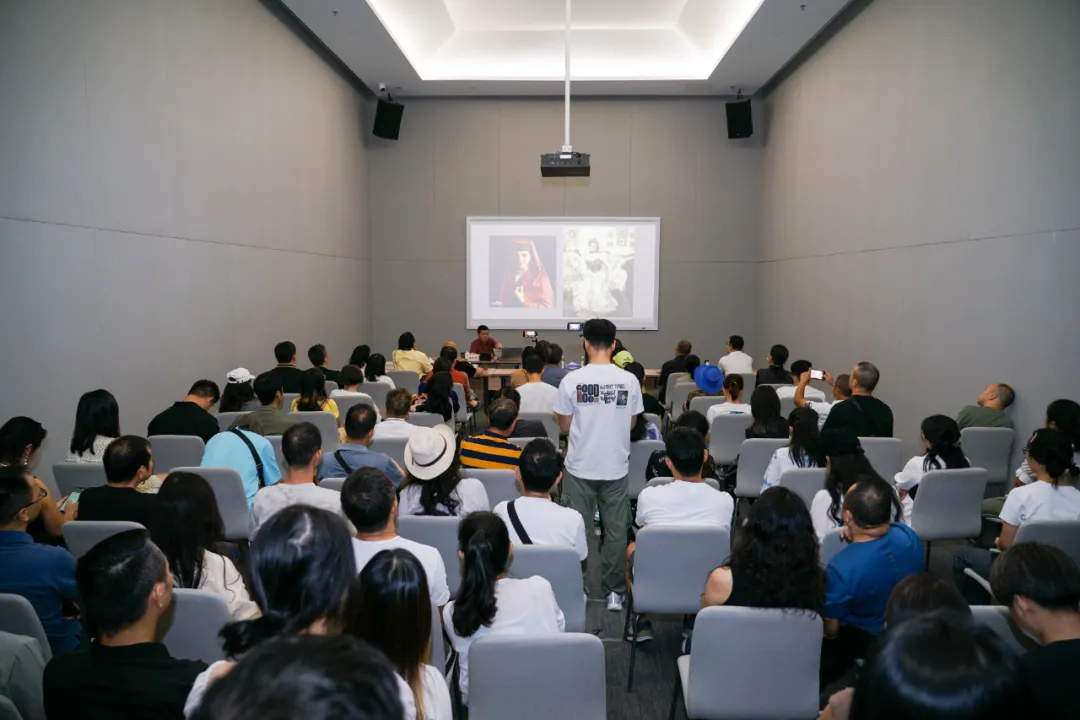
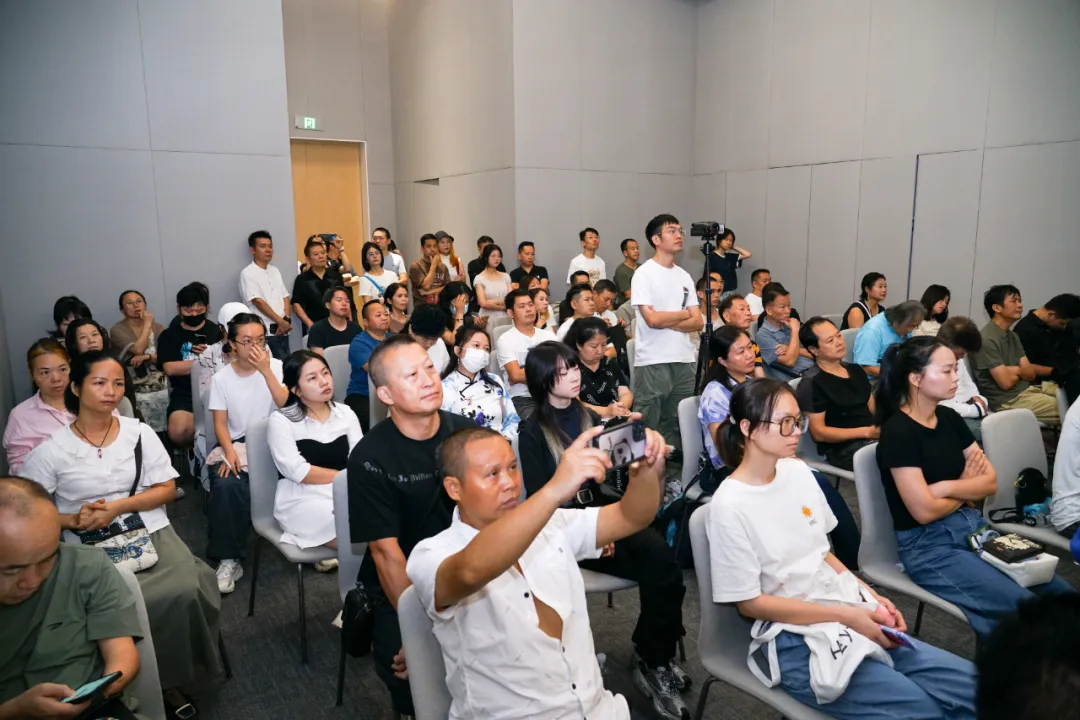
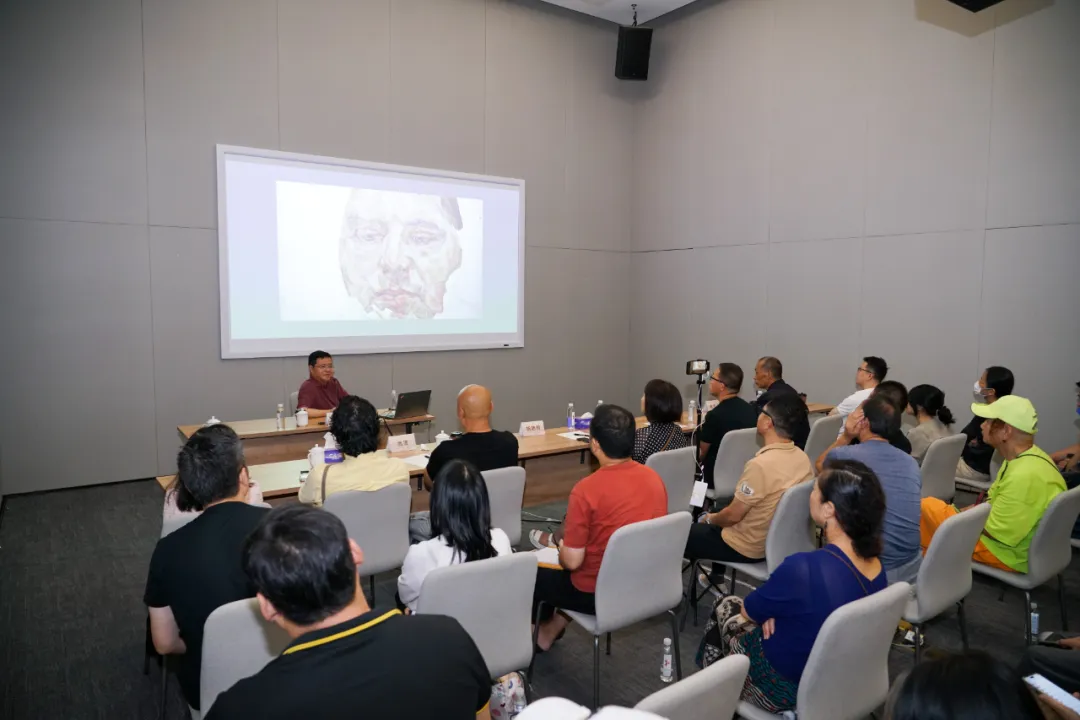
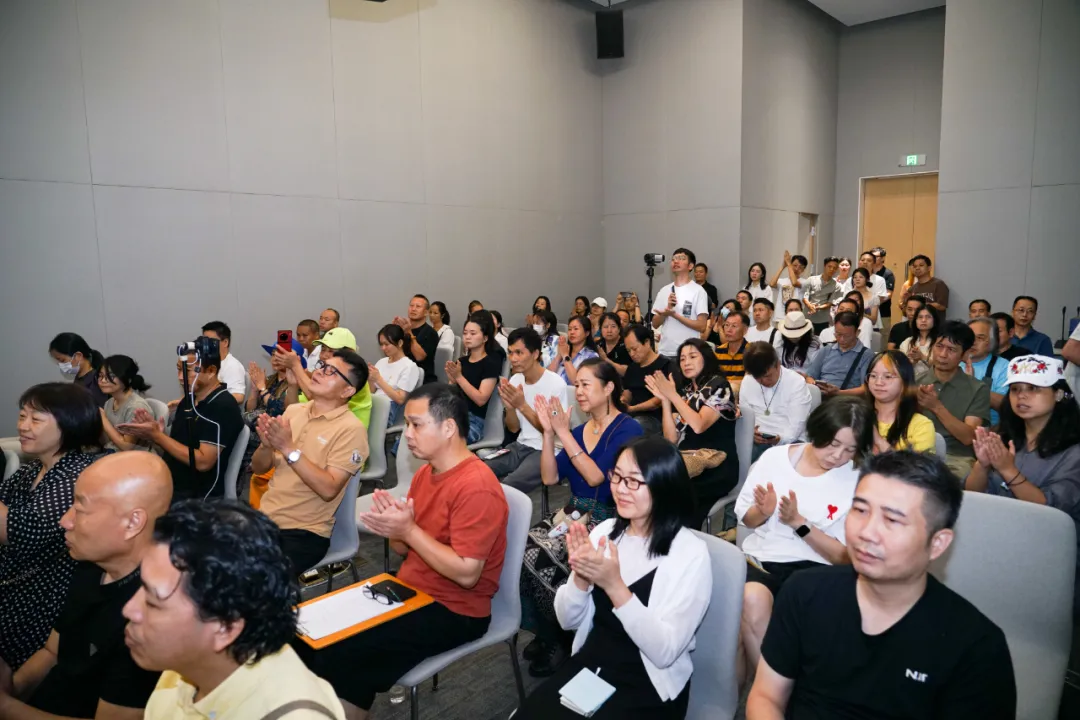
The lecture was presided over by Zhang Ke, deputy director of Dafen Art Museum. Yang Yanling, Director of the Cultural Development Center of Dafen Oil Painting Village and Director of Dafen Art Museum, Jiang Qingbei, Secretary of the Party Committee of Dafen Oil Painting Village Park, Shang Bo, Chairman of Dafen Artists Association, members of Dafen Art Industry Association and art lovers attended the lecture. The lecture was full, the audience actively interacted with each other and asked questions, and the academic atmosphere was strong.
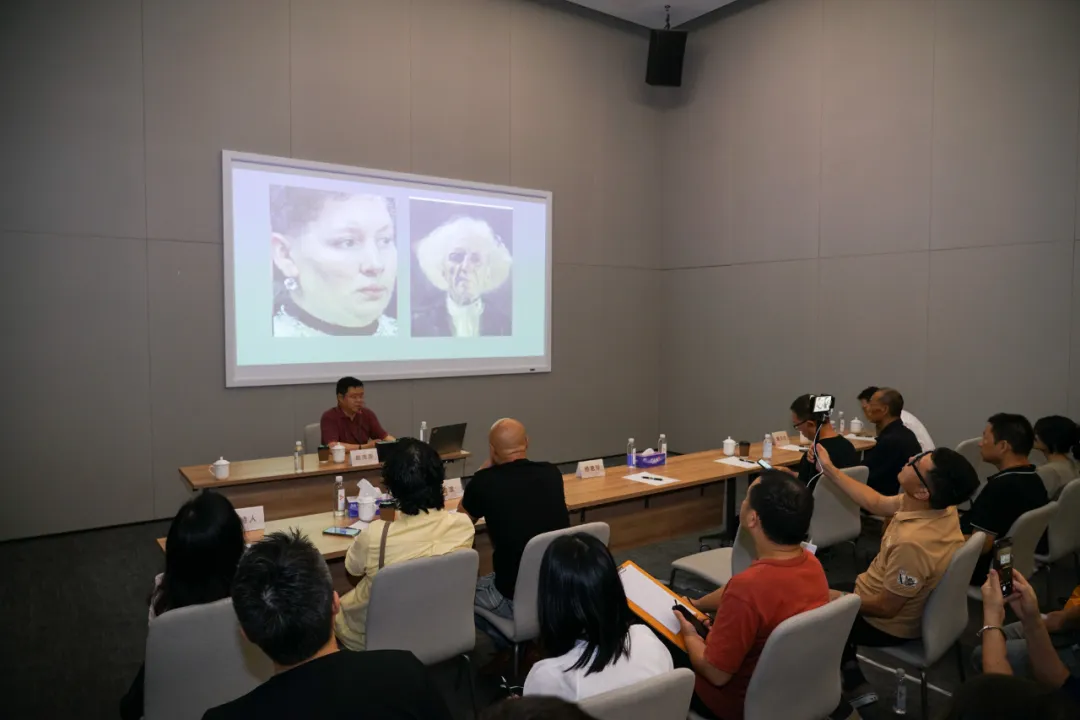
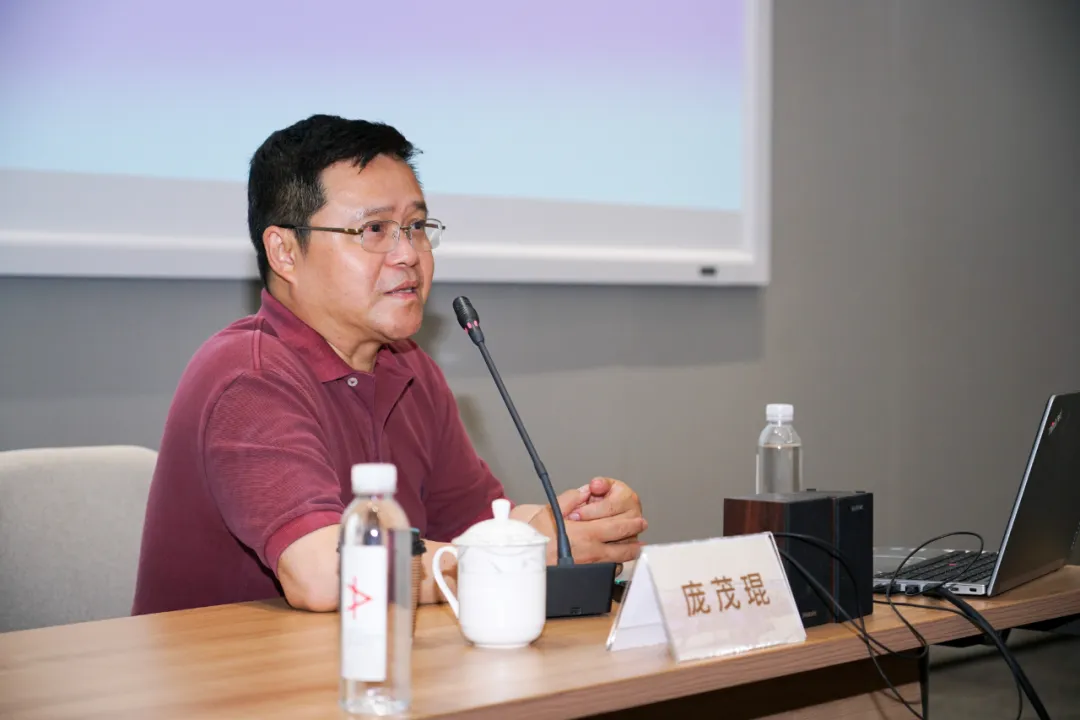
Speakers:President of Sichuan Fine Arts Institute, second-level professor, doctoral supervisorPang Maokun
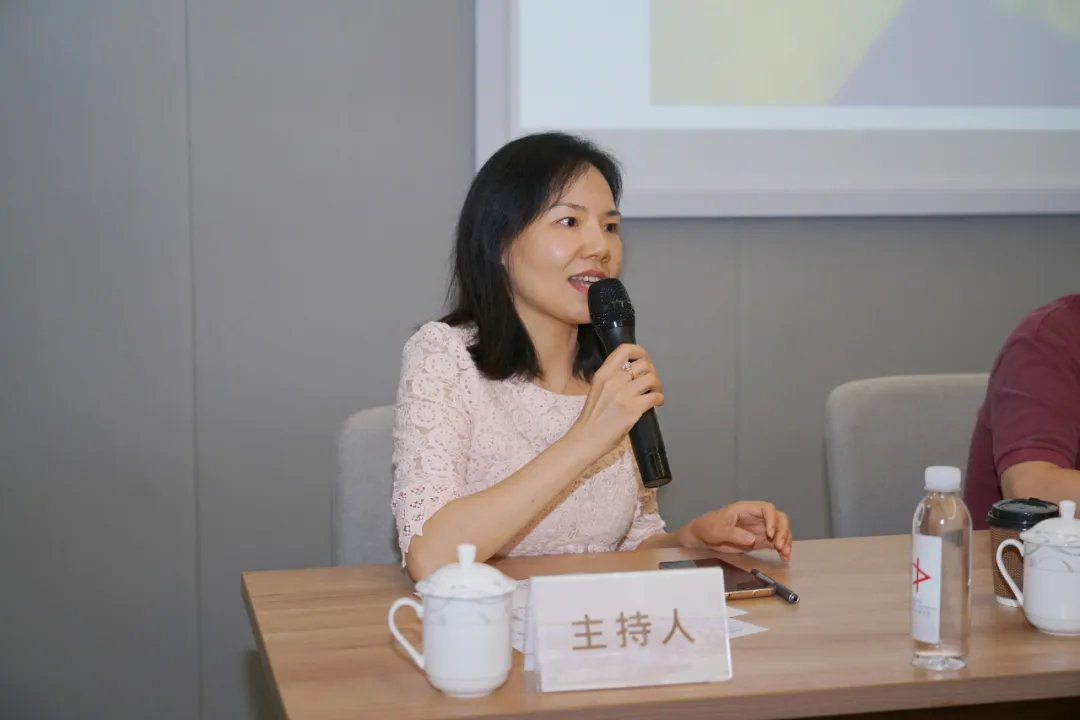
Compere:Zhang Ke, deputy director of the Cultural Development Center of Dafen Oil Painting Village and deputy director of Dafen Art Museum
Review of the lecture content
When discussing the development of oil painting and the diversity of its techniques, we have an in-depth understanding of the roots and evolution of oil painting. From the early days of tempera painting to the birth of oil painting, this process has witnessed a revolution in materials. From the beginning of the Van Eyck brothers' work with oil paints, their work opened a new chapter in the art of painting.
1. The basic characteristics of oil painting materials
Over time, from the Renaissance to the Baroque period, the technique of oil painting has undergone significant development. During this period, artists made many explorations in the materiality and expressiveness of oil painting, such as using the layering of impasto and over-dyeing to enhance the three-dimensionality and depth of the works. The pigment properties of oil painting, such as the ability to overlap multiple times, shape and play with light and shadow, have been widely used, bringing the art of oil painting to new heights.
Although the development of oil painting in China is only a hundred years, through continuous study and practice, Chinese artists have created many excellent works. They not only absorbed the techniques of Western oil painting, but also developed the language and style of oil painting with Chinese characteristics. Whether realistic, expressive or abstract, Chinese oil painters demonstrate a deep understanding of materials and techniques.
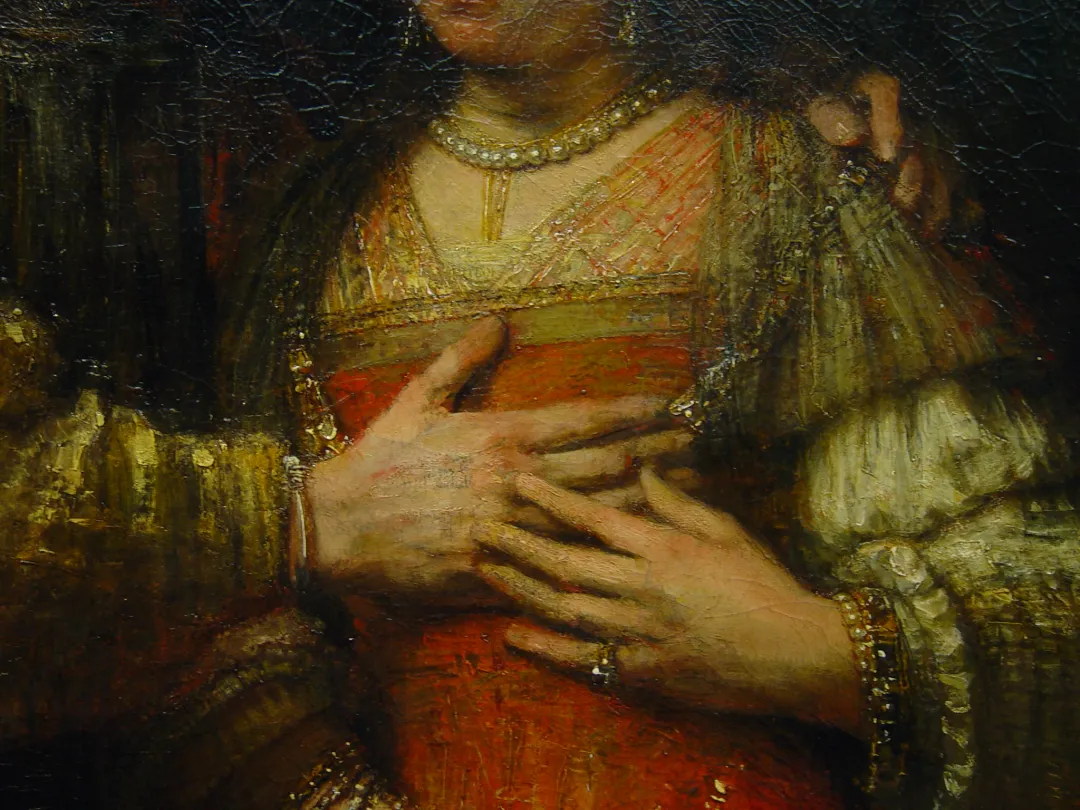
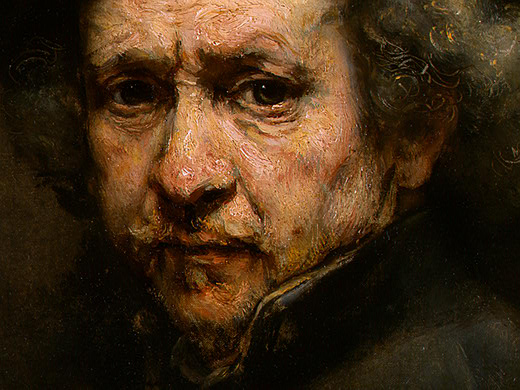
*Left: Rembrandt's "Jewish Bride" (detail)
*Right: Rembrandt's self-portrait (detail)
2. Classification and characteristics of oil painting techniques
There are many types of oil painting techniques, including but not limited to direct painting, indirect painting, thin painting, thick painting, etc. Each technique has its own unique expressiveness and beauty. For example, the direct drawing method is fast and vivid, while the multiple drawing method is thicker and richer. Artists use different painting tools and materials, such as paintbrushes, scrapers, etc., to create their own unique artistic styles.
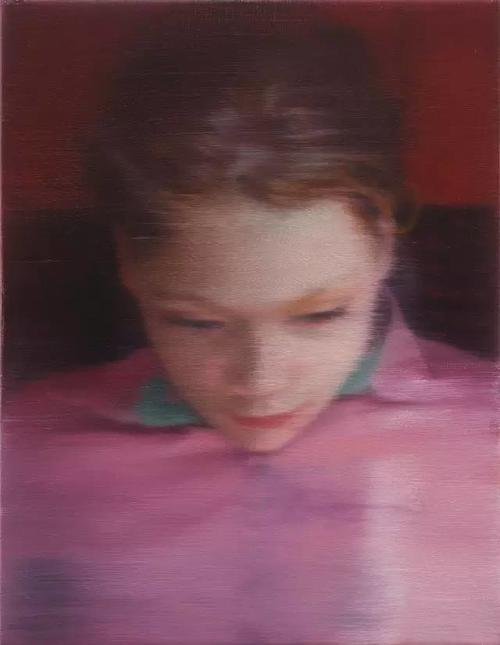
*Left: Grhard Richter's figure work
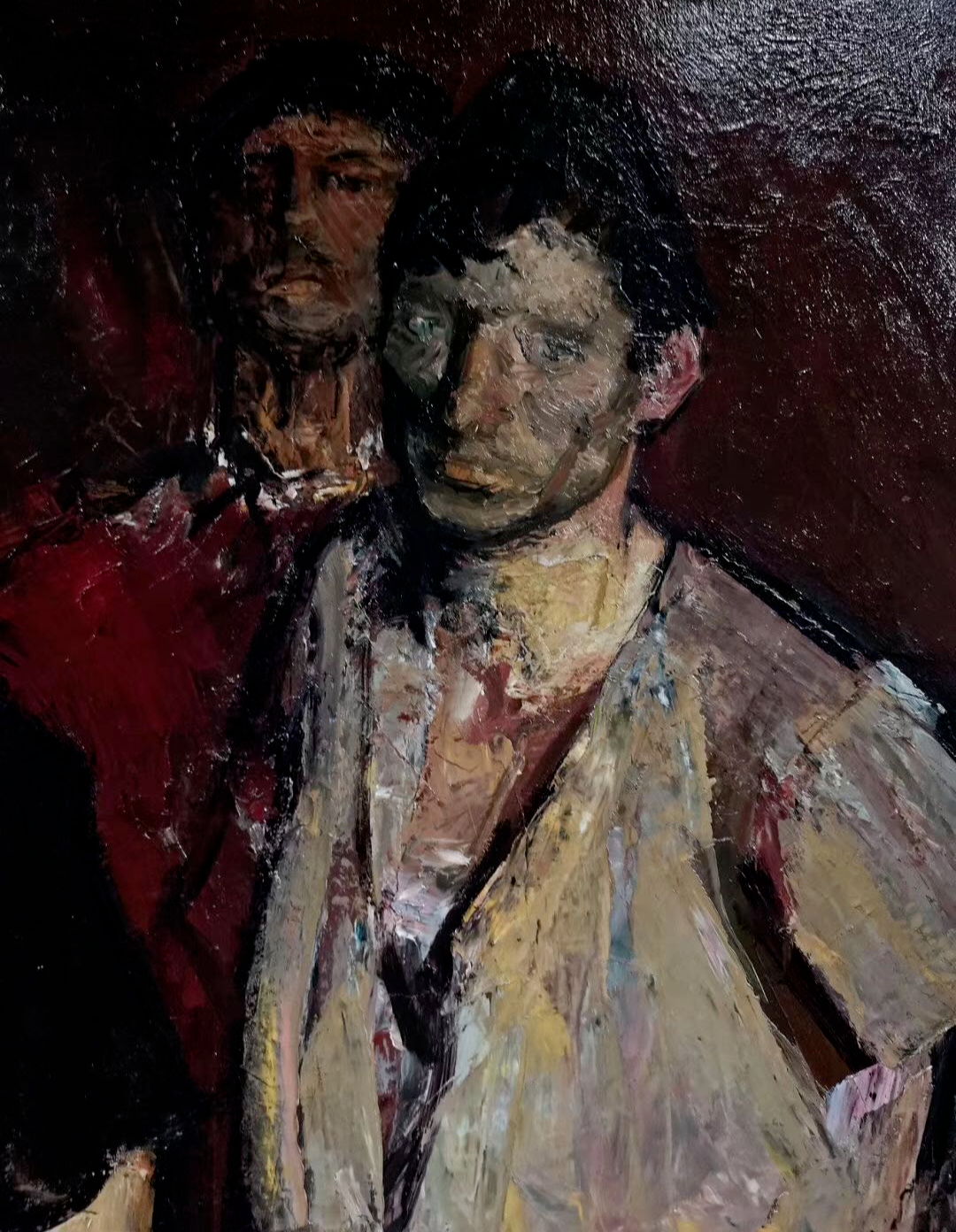
*Image on the rightCornelius Baba"Steelmaker" (detail)
When appreciating oil paintings, we can feel the brushstrokes, textures, colors, light and shadow in the works. These elements, combined with the artist's personal aesthetic and emotional expression, make each oil painting unique. From Rembrandt to Ingres, each artist has his own unique creative methods and technical characteristics, and the differences of these techniques are an important manifestation of artistic diversity.
In the course of discussing art history, we often focus on the representative figures of a certain period. The European Renaissance was an important juncture, but we won't delve into it here. We focus on the 17th century, especially Rubens and Van Dyck, whose work pushed the visual arts of the Renaissance to new heights, bringing them closer to the real world as we directly observe. The brushstrokes and use of color by these artists reach a remarkable apex.
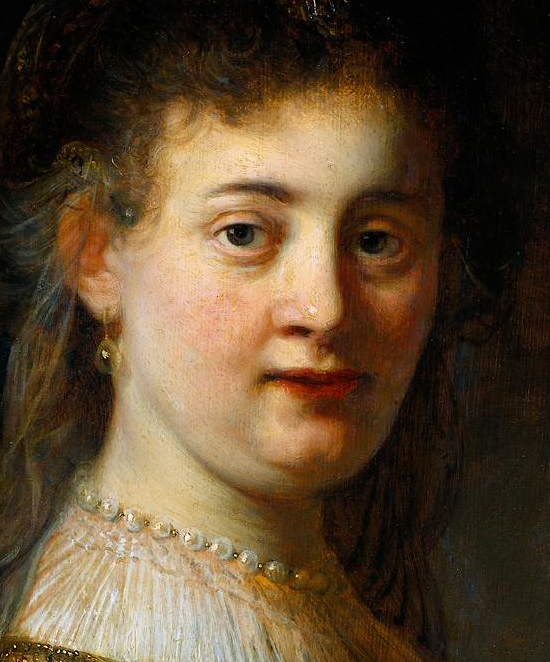
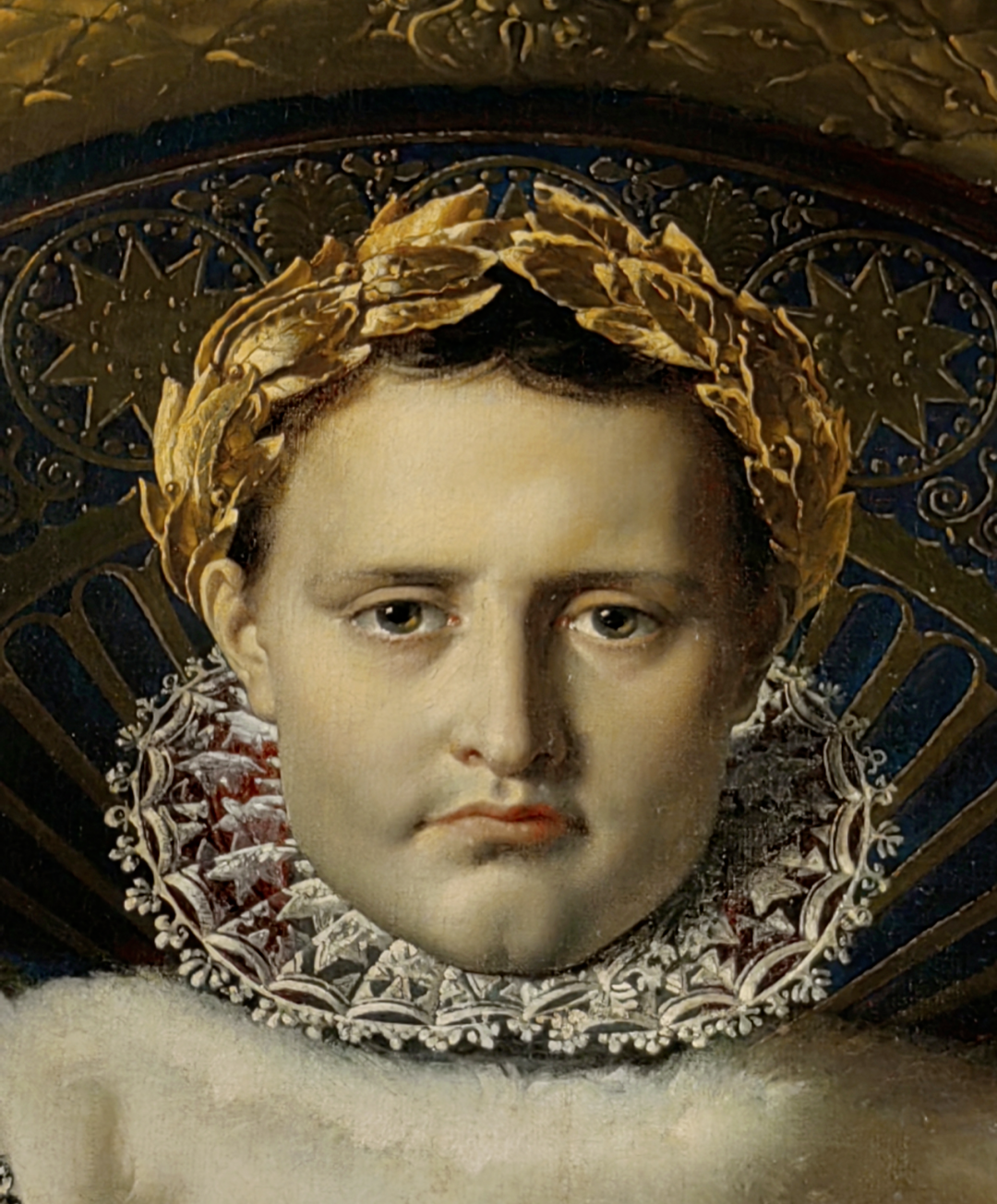
*Left: Rembrandt, Young Woman in a Fantastical Costume, detail, 1633
*Right: Ingres'Napoleon I on the thronegeneration(detail) 1806
The use of brushstrokes and colors is actually similar to the brushwork in ancient Chinese paintings. How to use the brushstrokes, pauses and speed are all deeply exquisite. The nature of oil paints allows the artist to constantly overlap and correct, which is significantly different from rice paper painting.
Artists such as Rubens and Van Dijk, through their works, distill the vividness of life and nature, and make us feel a kind of beauty. This kind of beauty is not just an imitation of form, but the product of the artist's high degree of coordination between hand, eye and heart. Their works, due to their unique beauty, have become classics and are permanently attracting attention in museums.
3. On the shape and color in oil painting
In the construction of basic language, students need to understand and master the sense of modeling. This includes the character's structure, proportions, perspective, shape features, and the relationship between black, white and grey. These foundational elements play a vital role in painting.
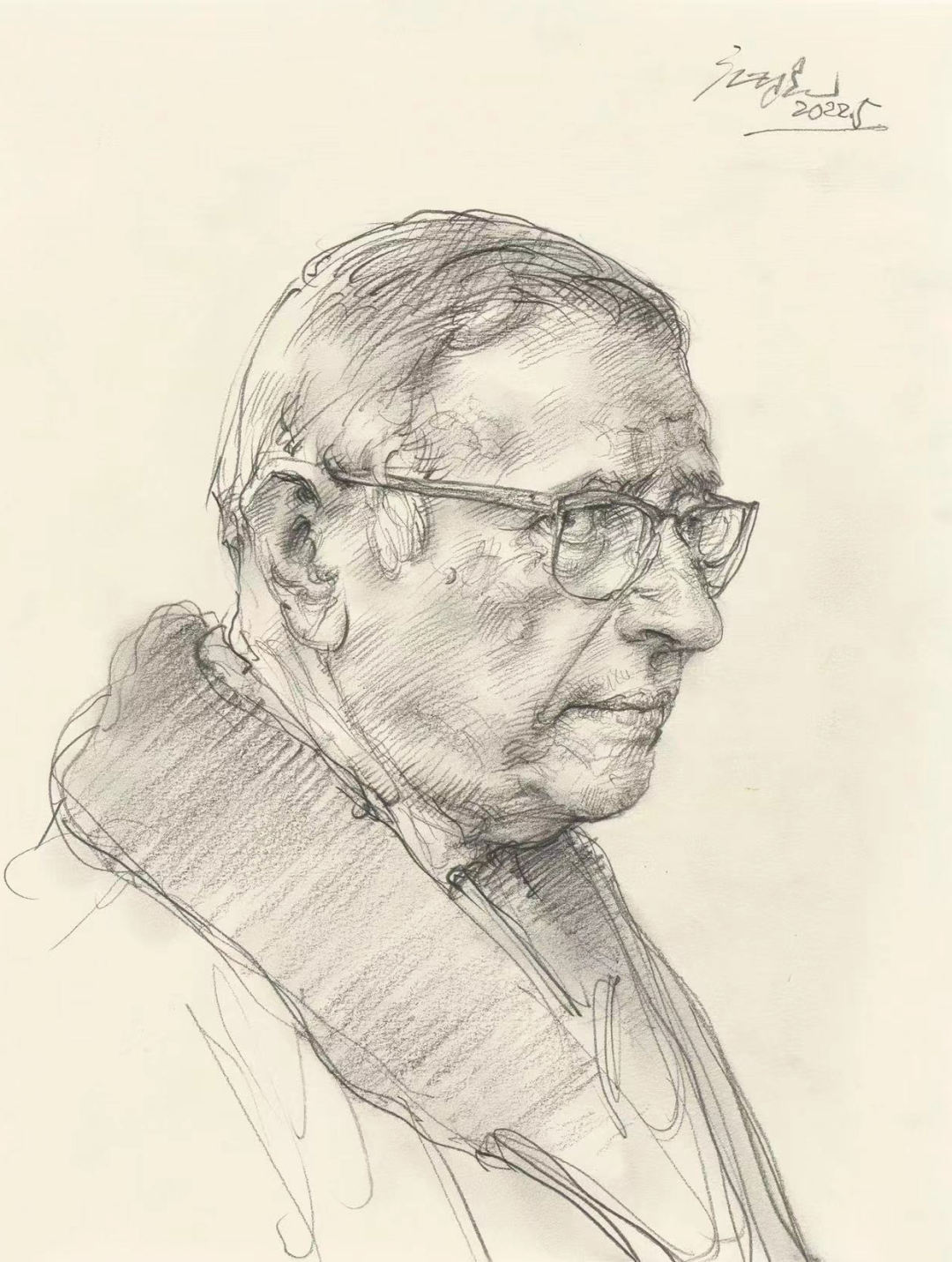
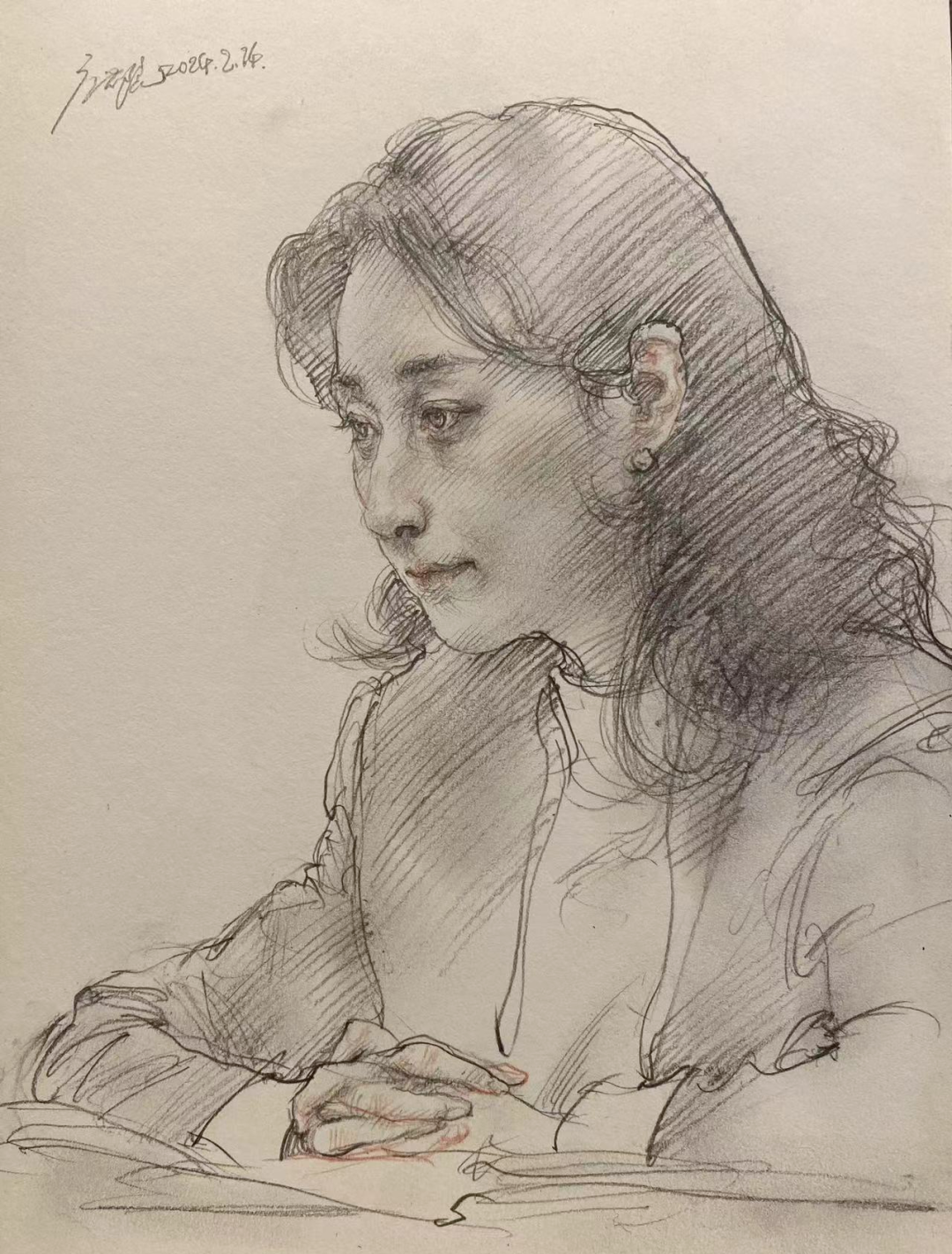
The accuracy of the sketch relationship is more than half the success of the work. When sketching, the artist quickly captures the contours, movements, and demeanor of the object, and gradually determines it in the process of continuous painting. Even the Impressionists were extremely capable of sketching. They do not neglect sketching, but have their own unique pursuit of style and language.
*Left: Pang Maokun, Character Sketch 2022
*Image on the rightPang MaokunCharacter sketches 2024
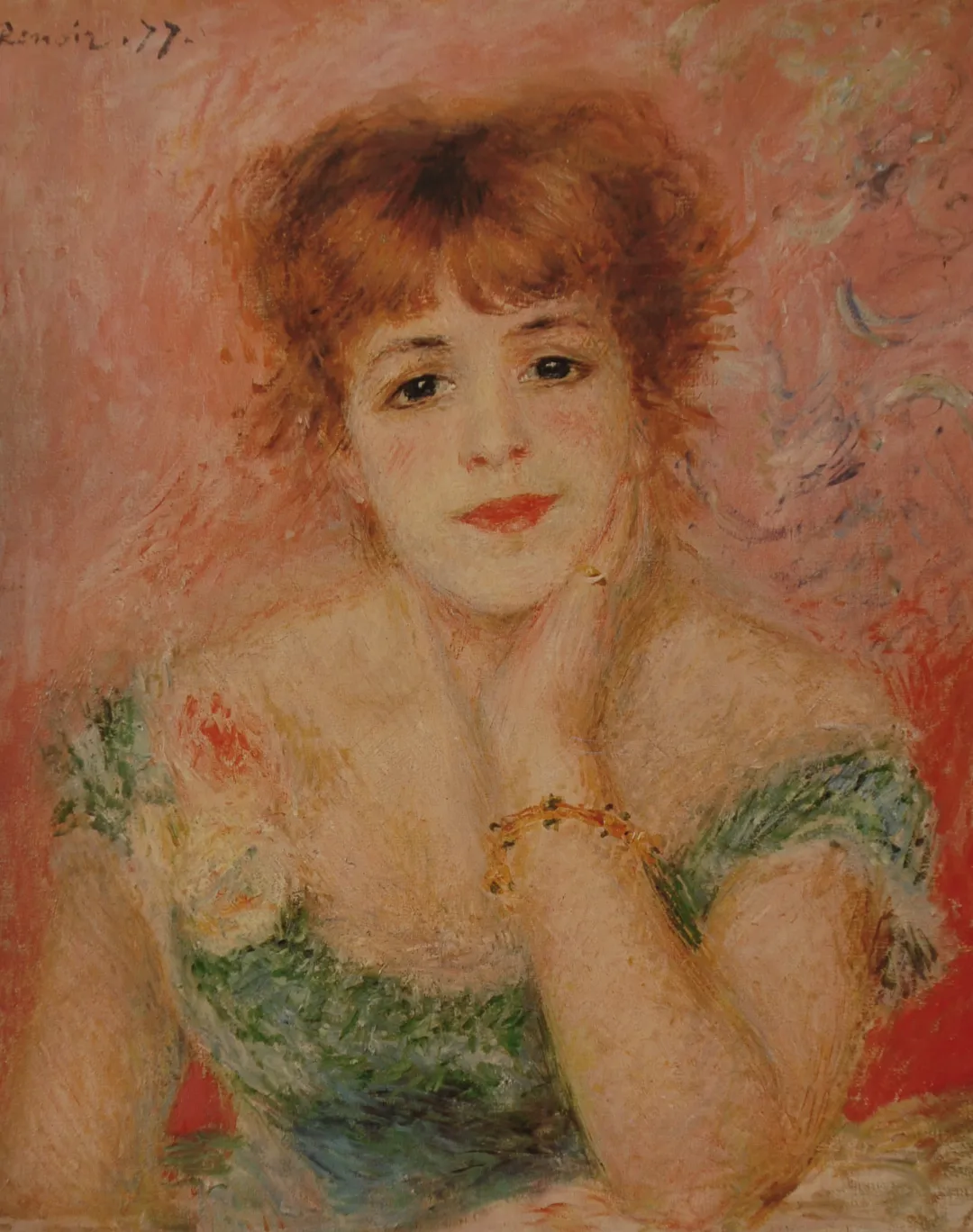
When discussing the Impressionist period, we focus on color. The artists see everything as blocks and domains of color, and they deconstruct and recombine colors, interweaving with inherent colors and light and shadow, forming a sense of the times. This new understanding of color stimulates our color thinking, allowing us to pay attention to color first and foremost when we look at objects.
The use of color is also an indispensable part of painting. Artists need to understand the position of intrinsic colors, and at the same time consider the relationship between warmth and coldness, complementary colors, purity, etc., so that the colors of the picture are not only harmonious and unified, but also vivid and changeable.
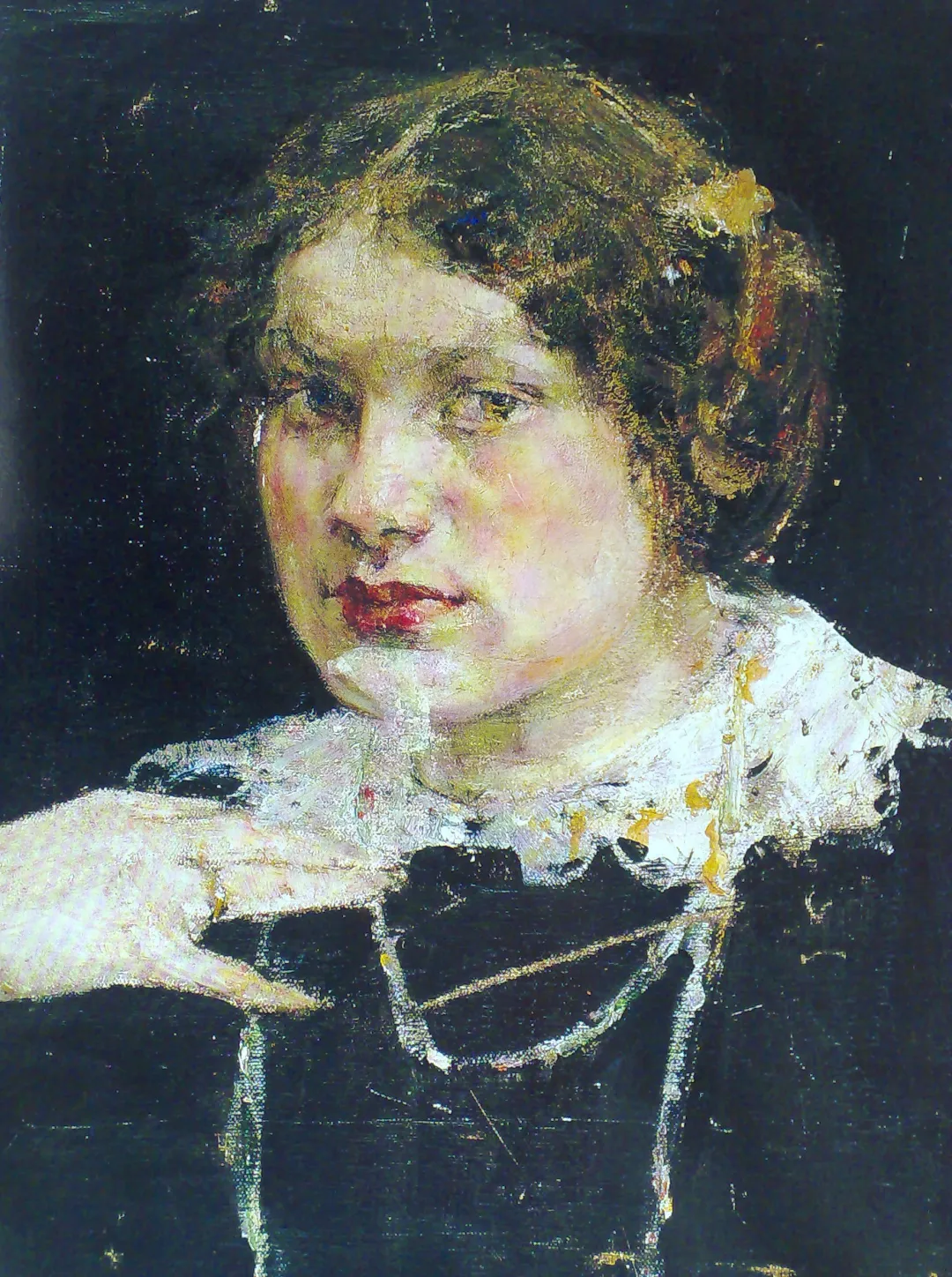
*Left imageRenoir "Actress Jeanne Samari"
*Image on the rightNikolai. Fei Xin "Portrait of a Girl"
In the practice of painting, the artists have mastered the skills of color matching and adjustment through long-term training and experience, so that the colors of the pictures are full of beauty. This ability is crucial for artists.
However, different art genres have their own characteristics. The itinerant school of painting in the Soviet Union, although it pursued both color and form, was different from the French Impressionism. Artists such as Serov are able to capture a wealth of visual elements in a short period of time.
In painting, the use of color and the change of light and shadow are very important. In normal light conditions, colors are most subtle and realistic. Artists need to understand how colors change under the influence of light through observation and accumulation. In Freud's work, for example, the use of color is crucial. On the earthy sofa, we can see subtle changes in color, including warm and grey. In the suit of the figure, there are also warm and cold variations in medium grey, but the color areas are consistent overall.
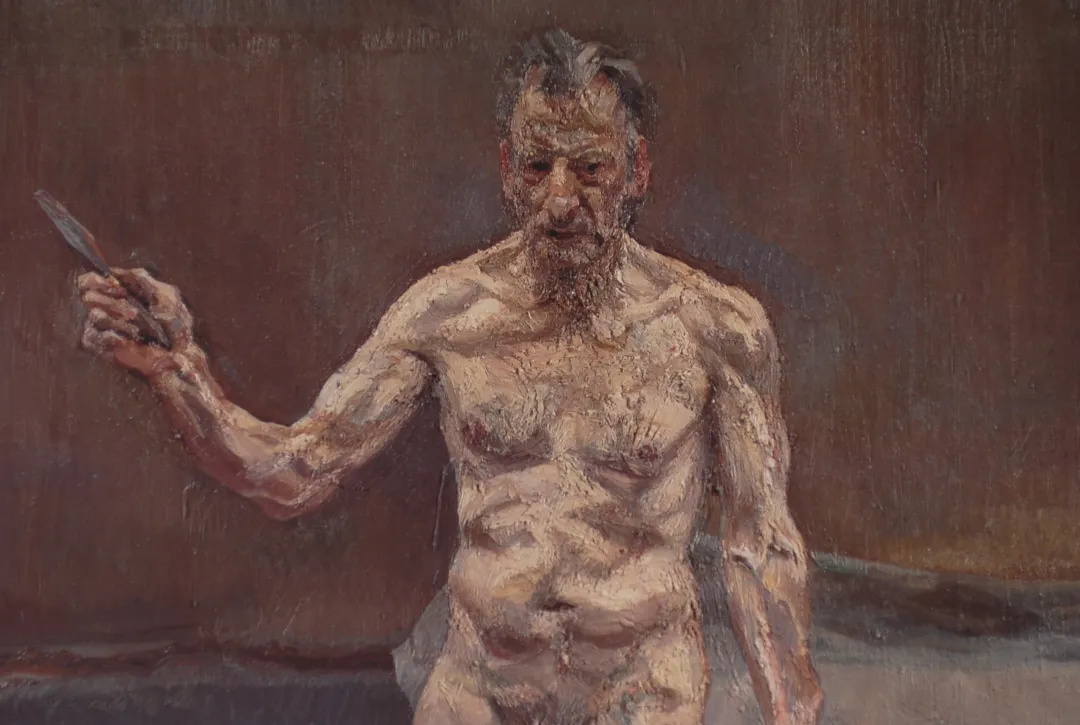
Lucian FloydPainter at Work, Reflection(Detail)
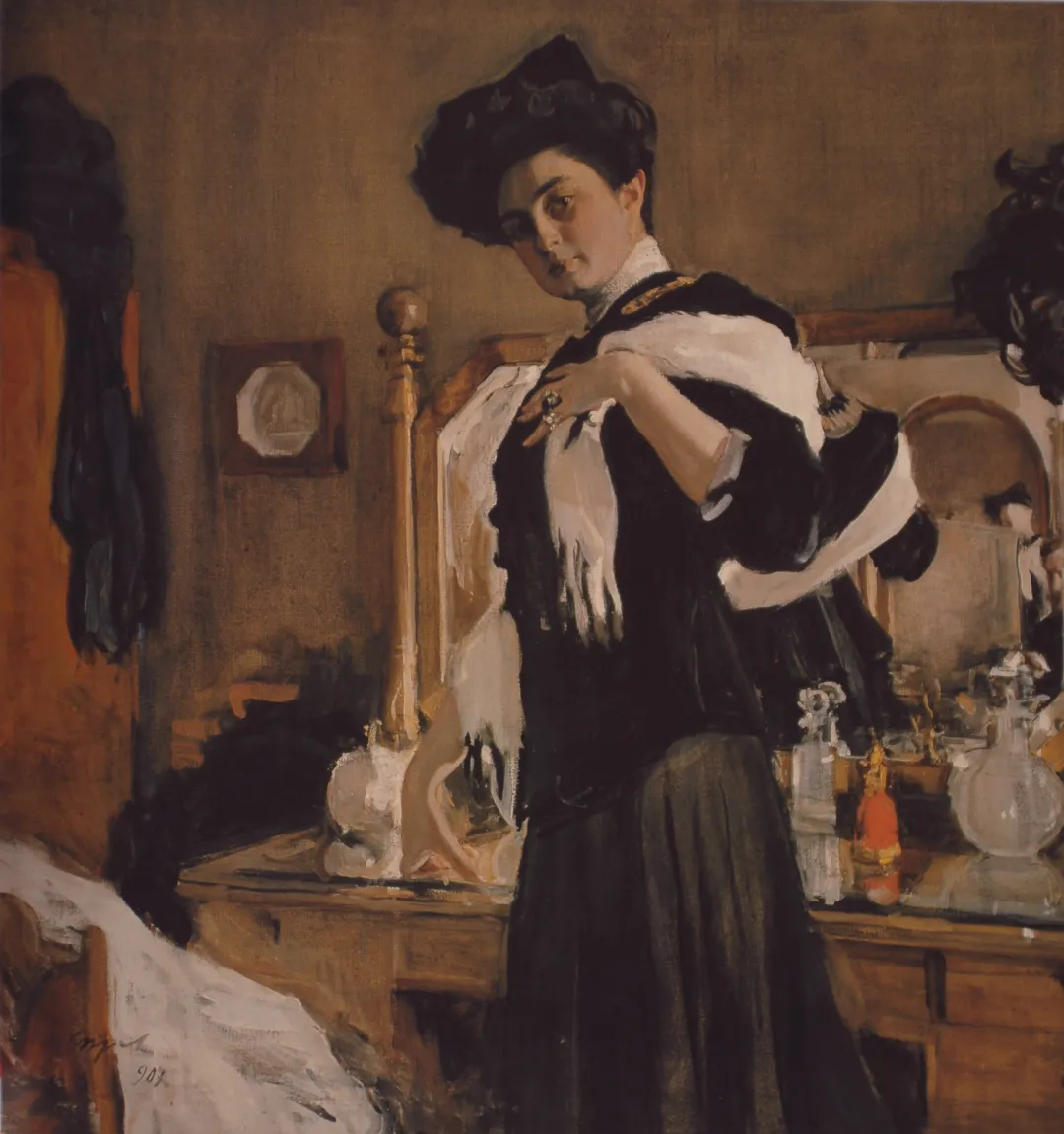
Valentin Aleksandrovich Serov《Statue of Gillesmana》
Oil on canvas40×140cm 1907
When working with skin tones, artists need to understand which areas should be more saturated and vibrant, and which areas should be more dusty. For example, ears and joint points often require more saturated colors. Overall, the skin tone should be a bright warm grey, but in specific areas, such as the head and collarbones, need to be more saturated.
In the process of creation, the artist must skillfully combine form and color, such as highlighting the blocky structure when shaping, and taking into account the inherent changes in color and light. In addition, the choice of the overall tone is crucial to the painting, for example, the application of color is adjusted before the background is brightened. When painting, the artist should gradually proceed from simple to complex, while considering the balance of form and color. In the creation of oil paintings, due to the long drying time, the artist may choose to start with a part and gradually integrate it into a complete picture.
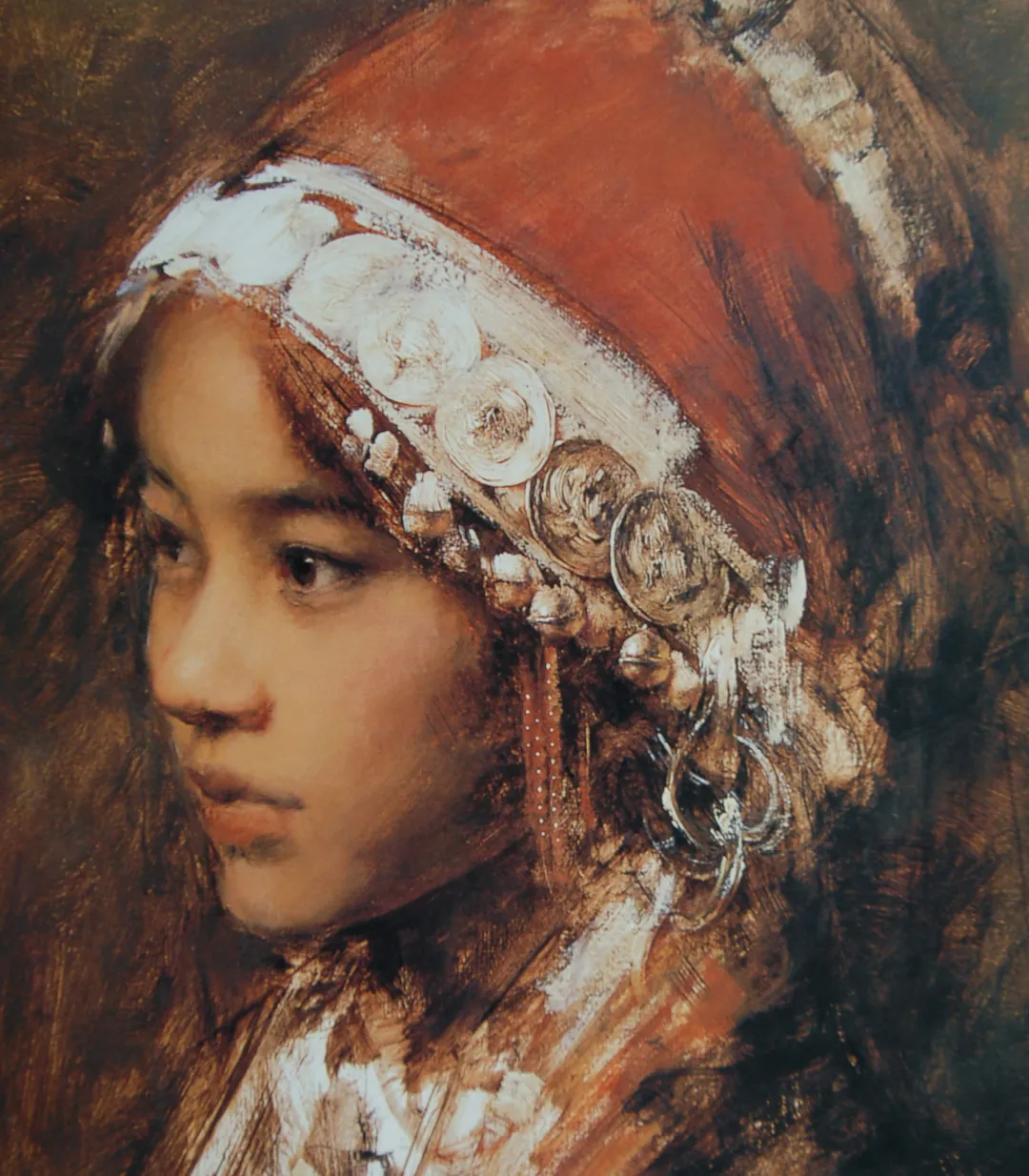
*Left: Zhang Li's "Aini Girl" (detail)
Oil on canvas, 80×65cm, 1995
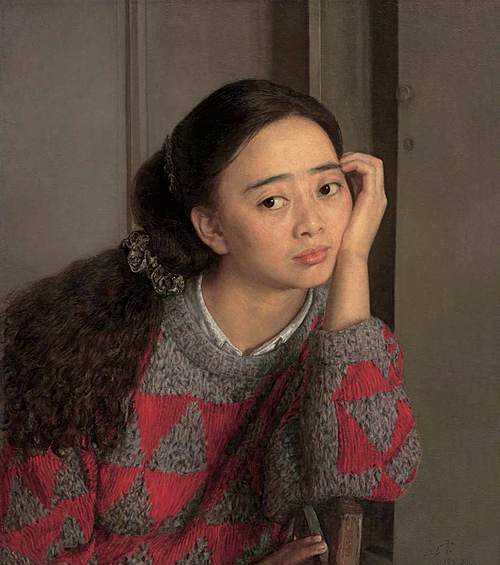
*Right: Yang Feiyuncorrect(Detail)
Oil on canvas, 60x50cm, 1991
In order to add depth to the image, the artist needs to look for contrasts in color, such as black or pink, in a consistent tone.The use of virtual and real contrasts is also key, created by the intensity and weakness of light and shape.In terms of composition, the artist needs to consider the shape and position of elements such as the characters and the background.Painting is not only a technique, but also the embodiment of the artist's personality and aesthetic concept, so in the treatment of details, the artist will selectively emphasize certain parts to create a work full of rhythm and change.
FourAbout the overall sense of the work and the overall atmosphere and style
In today's discussion, we focus on the overall sense and atmosphere of the paintings. Although we are talking about realistic works, there are also many styles of realism. Importantly, whether your work is realist or expressionist, you are faced with the question: what kind of spirit does your work convey? What kind of atmosphere and style does it embody?
Even in abstract art, there are high and low qualities. Abstract art is not without differences, nor is it identical. Realistic art, such as photorealism, although more popular in China in the 90s and early 21st centuries, does not fully represent the personality of the artist. Art should have a wide variety of expressions.
Therefore, I believe that painting should emphasize handiwork, calligraphy and process. Here's the most valuable part: where is the blame for your paintings? The details should not be absolutely rigid and rigid, but should blend in with the overall atmosphere.
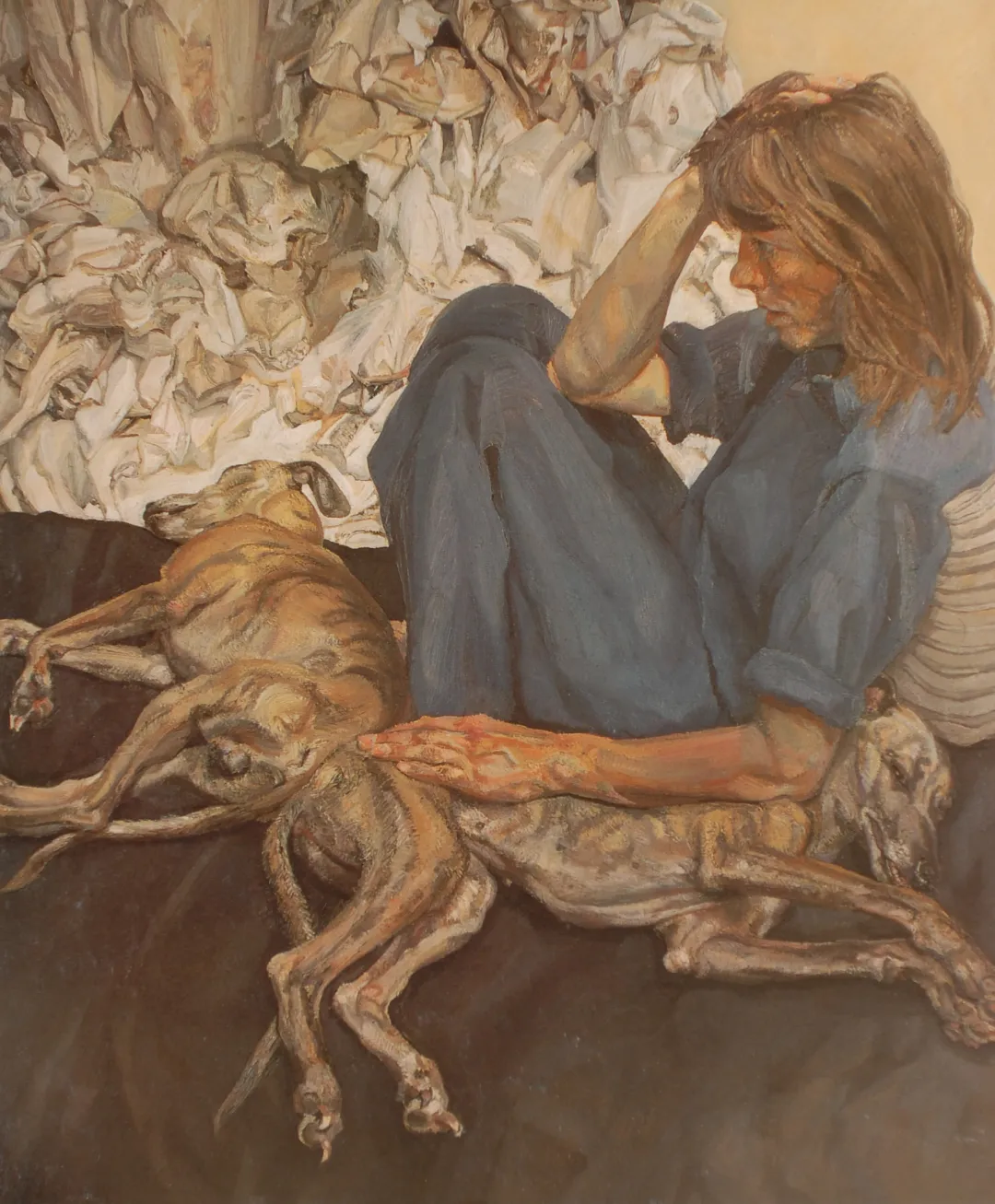
Lucian Floyd《Triple portrait》
Oil on canvas100×120cm 1986-1987
Beauty is subjective, and everyone's understanding of beauty is different. But if you can't resonate or generate a certain feeling through your work, then your work is a failure.
Looking back at the works of the masters, although they lived in similar times, each had their own unique personality, which is reflected in their language style, emphasis and technique.
Finally, in the case of Rembrandt's work, his details and textures are always something that people never get tired of looking at. These classics will forever infect humanity and will be worshipped as long as humans exist. Including Freud, whose work is still awe-inspiring in contemporary times.
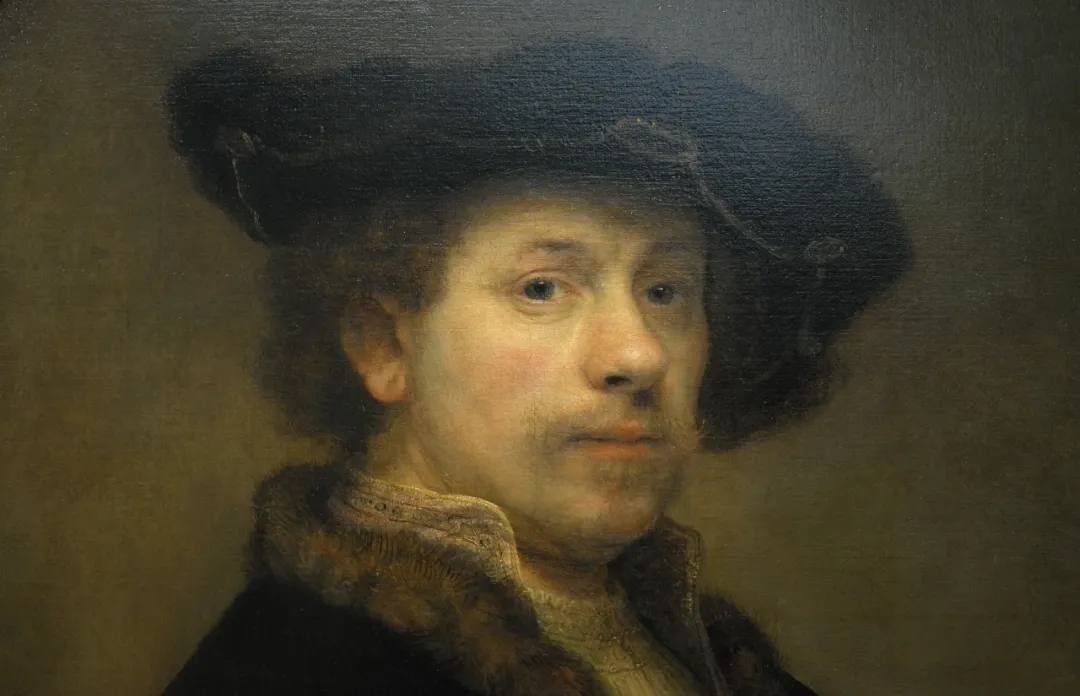
Rembrandt's self-portrait (detail)
Although the emergence of modern art forms such as computer painting and new media art has brought new possibilities to artistic creation, the value and significance of traditional oil painting are still irreplaceable. Artisanality, the harmony of thinking and emotion, and the differences in individual experiences are all important factors that have made up the history of human civilization.
The art of oil painting is not only the embodiment of materials and techniques, but also the inheritance of culture and history. Whether it is a traditional oil painting or a modern art form, they all have their own unique value and significance, which are worthy of our in-depth study and exploration.
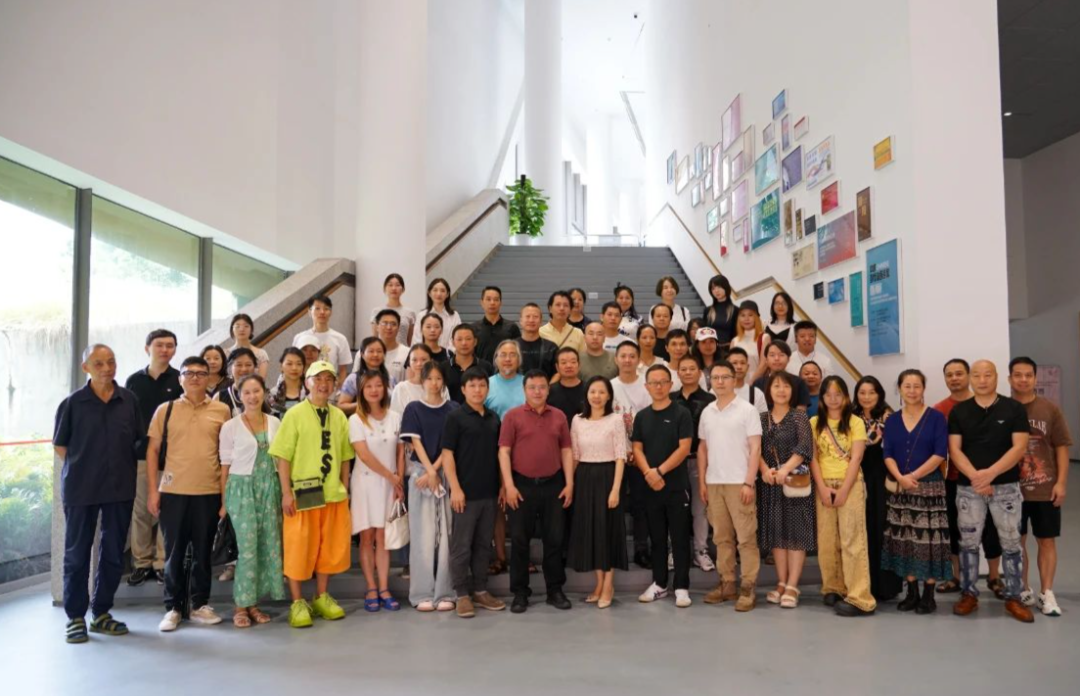
A selection of photos from the scene
Dafen Art Museum
Dafen Oil Painting Village Cultural Development Center
The only official public account
- E N D -
Welcome to forward to your circle of friends